
Table of Contents
- What An Ignition Interlock Device Does
- Know Which Rules Apply To Your Situation
- Set Up A Routine Before The First Trip
- Plan For Wisconsin Weather And Road Conditions
- Keep Service Visits On Schedule
- Common Mistakes That Can Create Problems
- Build A Work And Family Plan
- Questions Wisconsin Drivers Often Ask
- A Simple Monthly Compliance Checklist
- Make Compliance Part Of The Routine
An ignition interlock device can make ordinary driving tasks feel more complicated at first. Getting to work, dropping children off at school, shopping for groceries, or driving to a medical appointment all require a little more preparation. Drivers looking for Ignition Interlock Wisconsin information can turn to Smart Start Wisconsin, a provider of ignition interlock and electronic monitoring services that has supported drivers throughout Wisconsin since 2012. With service locations across the state, trained installation technicians, and support for routine device questions, the company offers practical guidance for drivers navigating installation, service, and daily use.
The goal is not to make the process feel effortless overnight. It is to create habits that make each trip more predictable and less stressful. Individual requirements can vary by court order, driving record, and vehicle situation, so drivers should always confirm their specific obligations with the court, the Wisconsin Department of Transportation, or a qualified attorney.
What An Ignition Interlock Device Does
An ignition interlock device, sometimes called an IID or BAIID, is a breath-alcohol testing system connected to the vehicle’s starting system. Before starting the vehicle, the driver provides a breath sample through the handset. A passing result allows the vehicle to start, while a result over the programmed limit prevents it from starting.
Wisconsin devices can include a handheld unit, a mouthpiece, a camera, cellular reporting equipment, and a control unit installed in the vehicle. The Department of Transportation’s IID guidance explains that devices may also request additional samples at random intervals while a vehicle is in use. These rolling retests are designed to monitor compliance, but they do not shut off the engine while the vehicle is moving.
If a retest prompt appears, do not try to handle the device while navigating traffic, merging, or driving on slippery roads. Pull over in a safe location when necessary, follow the device instructions, and avoid creating a distracted-driving risk.
Know Which Rules Apply To Your Situation
In Wisconsin, IID requirements commonly apply to repeat OWI convictions, first OWI cases involving a blood alcohol concentration of 0.15 or higher, and chemical-test refusals. In many cases, every vehicle owned or registered by the driver must be equipped with an approved device unless the court grants an exemption.
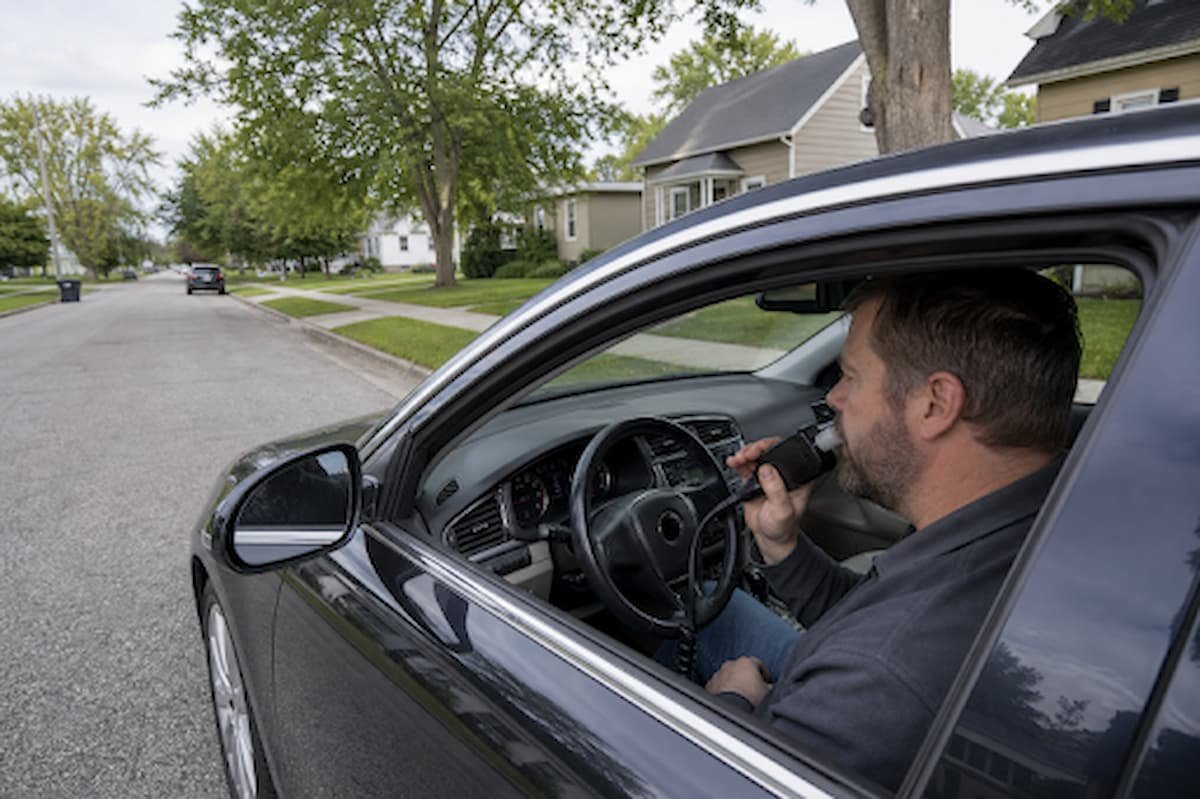
Your driving privilege is generally restricted to IID-equipped vehicles for the duration of the order. That means a borrowed, leased, or rented vehicle may not be legal to drive unless it meets the restriction. Requirements and review procedures can change, including changes discussed during 2026, so do not rely on an old online post, a friend’s experience, or a general estimate of how long the requirement will last.
Set Up A Routine Before The First Trip
The easiest way to reduce stress is to build a few minutes of preparation into every drive. During the first week, consider leaving home ten minutes early. That buffer can make a major difference on cold mornings, during school drop-off traffic, or when a retest request appears at an inconvenient moment.
- Keep the handset clean, dry, and secured inside the vehicle.
- Use the breathing method demonstrated during installation.
- Keep water available for normal mouth dryness.
- Avoid alcohol-based products immediately before testing, as they could affect a sample.
- Save the service center’s phone number in your phone.
- Track service dates, payment dates, and device messages in one calendar.
Plan For Wisconsin Weather And Road Conditions
Wisconsin weather can add another layer to an IID routine. Winter brings freezing temperatures, snow, ice, and longer vehicle warm-up times. Summer can bring heat, humidity, road construction, and heavy traffic around festivals, sporting events, and holiday weekends.
Before leaving in extreme cold, allow enough time to check the vehicle, start safely, and complete the required test without rushing. Keep the handset away from spilled drinks, standing water, direct heat, and places where it could be crushed or tangled. Drivers commuting from Madison, Milwaukee, Green Bay, Eau Claire, or rural communities should add extra time when road conditions are poor.
Keep Service Visits On Schedule
Regular service is a compliance responsibility, not simply a vehicle-maintenance task. Device service and calibration appointments help ensure that reporting, testing, and equipment functions remain current. Missing an appointment can lead to warnings, lockouts, additional service needs, or reporting consequences.
- Put each appointment on a digital and paper calendar.
- Plan around work shifts, school schedules, and long-distance travel.
- Ask in advance what payment methods or documents are needed.
- Keep receipts, installation paperwork, and service records together.
- Contact the provider early if an appointment must be changed.
Common Mistakes That Can Create Problems
A warning message does not always mean the same thing, but every message deserves prompt attention. The safest response is to record what the device displayed, avoid touching wiring or attempting a repair, and contact the provider or supervising authority for instructions.
- Missing a required service appointment.
- Trying to disconnect, bypass, remove, or tamper with equipment.
- Allowing someone else to provide a breath sample.
- Ignoring a service reminder, warning, or lockout notice.
- Testing too soon after using a product that may contain alcohol.
- Driving a vehicle that does not meet the IID restriction.
Build A Work And Family Plan
Planning reduces rushed decisions. A driver who lives in a smaller Wisconsin town and works in a nearby city may need to account for service-center distance, child care, winter roads, and a long commute. Identifying alternatives before there is a problem can protect both the schedule and compliance.
- List essential weekly trips, including work, school, medical care, and service visits.
- Group errands by location when possible.
- Arrange a backup ride for appointments or unexpected lockouts.
- Confirm that any vehicle you may use is legally equipped.
- Keep court, DMV, provider, and attorney contact details in one place.
Questions Wisconsin Drivers Often Ask
What Happens If The Vehicle Stalls?
Follow the device instructions and restart only when it is safe. If an unusual message appears, contact the provider rather than guessing or attempting to reset the equipment yourself.
Can A Driver Travel Outside Wisconsin?
Check the court order, license restriction, and provider instructions before crossing state lines. Travel may be possible, but the vehicle still needs to meet the applicable IID requirements.
Does An IID Replace Legal Advice?
No. A provider can explain device operation, installation, and service steps. Legal questions about court orders, exemptions, deadlines, penalties, or driving privileges should go to the court, WisDOT, or an attorney.
A Simple Monthly Compliance Checklist
- Confirm the next service appointment.
- Check the vehicle battery and electrical system.
- Review device messages and warning indicators.
- Organize payment and service records.
- Plan ahead for storms, construction, and long trips.
- Call for help instead of attempting a repair or removal.
Make Compliance Part Of The Routine
An ignition interlock becomes easier to manage when it is treated as part of every normal driving routine. A few extra minutes, safe testing habits, organized records, and early communication can prevent many avoidable problems. Stay attentive to current Wisconsin requirements, prepare for changing weather, and address device messages promptly so each trip begins with a clear plan.