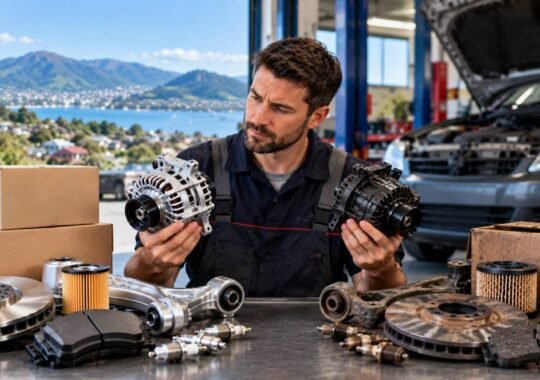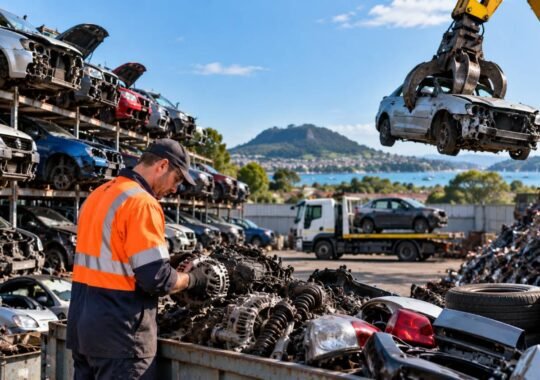
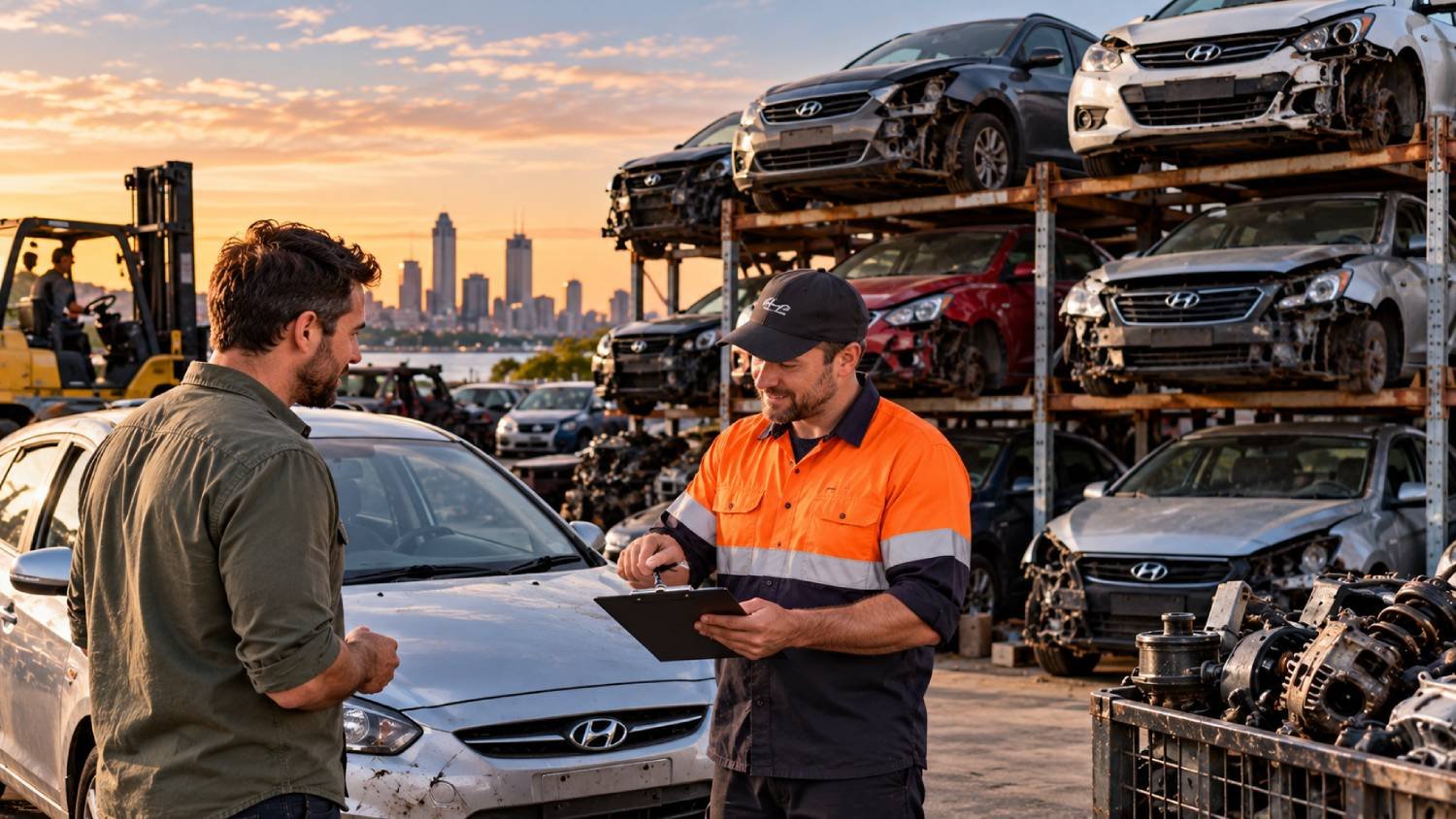
Perth wreckers are paying more attention to ageing Hyundai models because usable parts still hold value after a vehicle stops being practical to drive. Owners often assume a failed engine, damaged body, or expired registration means a low return. This guide explains why offers have improved, which parts affect an appraisal, and how to prepare an older Hyundai before requesting a quote.
Why Ageing Hyundais Are Drawing Better Offers
Hyundai vehicles remain common on Perth roads, so demand for replacement components supports the value of older cars. An i30 with a damaged engine can still contain usable doors, lights, seats, suspension parts, or interior fittings. A Tucson or Santa Fe can also provide sought-after four-wheel-drive components after serious mechanical or collision damage.
For owners comparing Hyundai wreckers in Perth, the main difference lies in how the vehicle is assessed. A wrecker that checks individual parts can price a Hyundai based on its remaining value rather than treating it as a simple scrap shell. That approach explains why an ageing car sometimes receives a better offer than expected.
The apparent rise in offers also reflects practical demand. Parts reuse reduces the need to source every replacement component new, while a complete vehicle gives dismantlers more material to inspect. Condition still matters, but age alone no longer determines the result.
Which Parts Affect the Appraisal?
A wrecker usually looks at the Hyundai as a collection of usable components rather than judging it only by whether it starts. The following details often affect the assessment:
- A working engine or transmission adds value when the major components remain intact.
- Undamaged doors, panels, lights, and glass provide replacement parts for other vehicles.
- Complete wheels, suspension parts, and steering components support a higher assessment.
- Clean seats, dashboards, trim, and electronics remain useful for interior repairs.
- A straight body gives dismantlers more recoverable material after a mechanical failure.
The vehicle’s model and year also matter because parts demand differs across the Hyundai range. An older model with limited availability can attract interest if its components are difficult to source elsewhere. A common model with severe damage can still receive a fair assessment when its interior and mechanical parts remain usable.
How to Prepare an Older Hyundai
Good preparation gives the assessor accurate information and prevents delays during collection. Gather the vehicle’s make, model, year, registration status, and location before you contact them. Describe the damage clearly, including whether the car starts, rolls, or has suffered flood or collision damage.
Use this short preparation process:
- Remove personal belongings from the cabin, boot, and storage compartments.
- Locate the keys, service records, and ownership documents, if available.
- Photograph the exterior, interior, engine bay, wheels, and visible damage.
- Mention any missing parts, warning lights, flat tyres, or access issues.
- Confirm whether a tow truck can reach the vehicle safely.
Accurate details help produce a more realistic quote. They also prevent disagreements if the vehicle’s condition differs from the description provided by phone.
Questions to Ask Before Accepting an Offer
A clear quote should explain what the payment covers and what happens next. Ask whether the assessment reflects the vehicle’s current condition, whether collection is included, and whether any amount will be deducted when the Hyundai is removed. These points matter most when the car cannot move under its own power.
Confirm the following before agreeing:
- Whether the quoted amount is fixed after the vehicle is inspected.
- Whether towing applies to unregistered, damaged, or non-running vehicles.
- Which documents are needed to complete the sale.
- How the vehicle will be collected from a tight driveway or private property.
- When payment is made and which payment method is available.
You should also disclose any finance interest, missing keys, or ownership issues before collection. Early disclosure gives the wrecker a chance to explain the required process and avoids a failed pickup.
Why Free Removal Changes the Real Return
The cash amount is only part of the calculation. A private sale can involve advertising, repeated calls, inspections, transport, and negotiations. An ageing Hyundai that sits unused also takes up space and can create ongoing registration, storage, or repair concerns.
Free removal improves the practical return because you don’t need to arrange separate transport for a heavy or immobile vehicle. This service is especially useful after a breakdown, collision, or long period off the road. Before collection, clear access to the car and tell the removal team about gates, steep driveways, underground parking, or other restrictions.
A responsible handover also requires the owner to remove personal items and check the paperwork. Keep any plates or documents that local requirements say you must retain, and confirm the transfer process before the vehicle leaves.
Conclusion
A better Perth wrecker offer usually depends on the Hyundai’s reusable parts, overall condition, model demand, and removal requirements rather than its age alone. Prepare accurate details, identify valuable components, and ask direct questions about towing, deductions, documents, and payment. The next practical step is to collect the vehicle information, take clear photographs, and request an assessment based on its actual condition.