
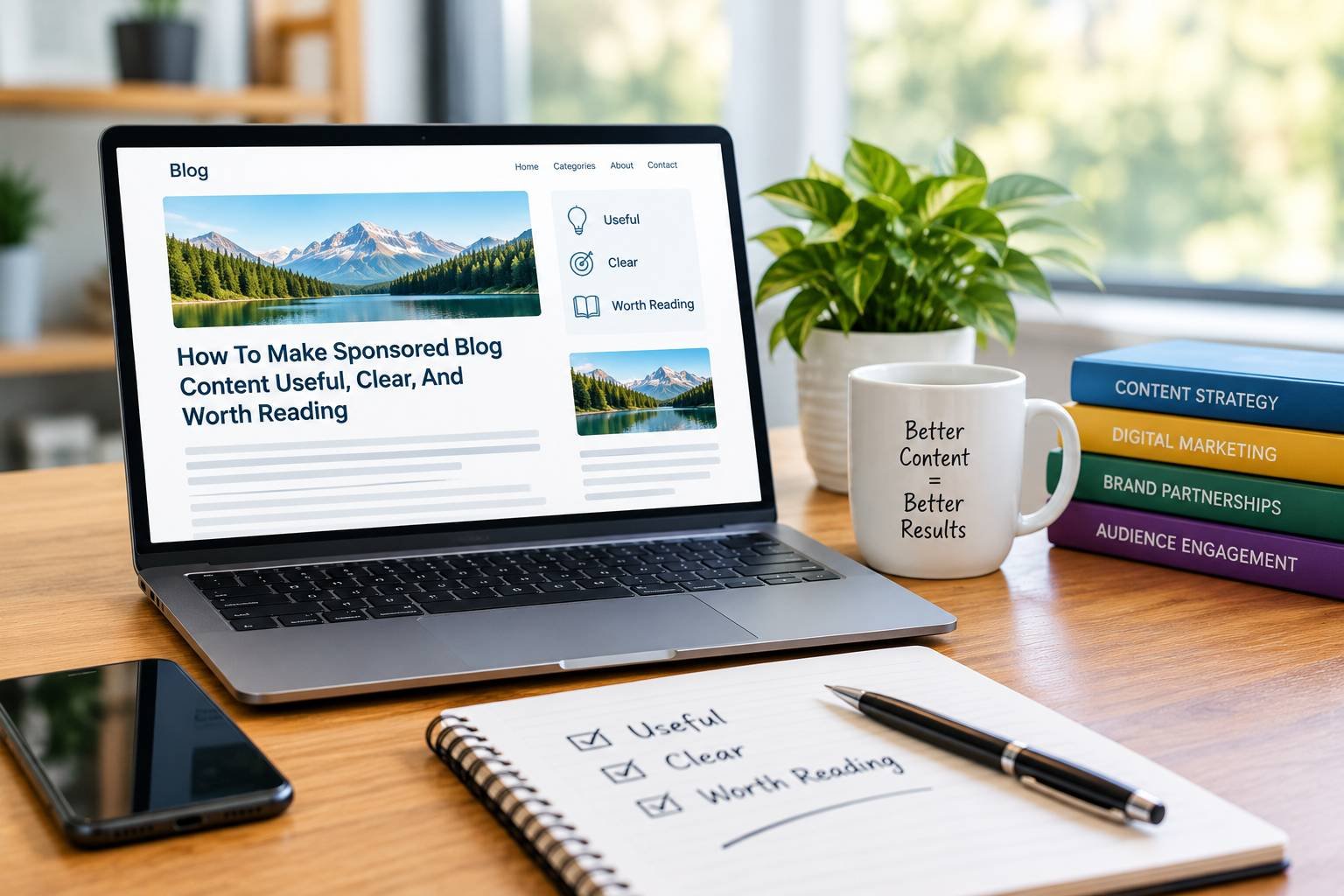
Key Takeaways
- Useful sponsored posts solve a real problem for a defined audience.
- Strong brand fit matters more than accepting every paid campaign.
- Clear disclosures protect readers and support honest recommendations.
- Original details, examples, and balanced advice make paid content more valuable.
- Written terms and meaningful performance measures help both creators and brands.
Sponsored content can support a creator’s business without turning a trusted blog into a stream of advertisements. The best campaigns begin with a reader’s need, add an honest perspective, and give the sponsor a relevant place in the story.
Creators who want to earn money from sponsored posts can use Valued Voice, a creator-focused platform that connects bloggers and social publishers with advertiser opportunities. Its sponsored-post resource covers paid blog and social content, campaign fit, compensation, and content examples, making it particularly relevant for publishers in areas such as food, travel, fashion, and health and wellness. The platform’s focus on matching advertisers with established creator audiences makes it a useful reference point when evaluating partnership opportunities.
Why Useful Sponsored Content Matters
A helpful sponsored post provides readers with an answer, idea, or next step. In contrast, a thin ad just repeats a brand message without context. For example, a food blogger might share a pasta recipe featuring sponsored cheese, explain its melting properties, suggest substitutions, and offer storage tips. The sponsor gets relevant exposure, and readers get a usable recipe. Trust is a long-term asset; one awkward partnership can erode credibility, affecting future recommendations.
Choose The Right Campaign
Review fit before discussing deadlines or rates. A simple decision process prevents rushed work and protects your editorial standards.
Use A Five-Question Fit Test
- Does the product or service align with the site’s main subject?
- Would the audience realistically find it useful?
- Can you describe it honestly from real knowledge or testing?
- Does it suit your tone, values, and audience expectations?
- Can you add original value beyond the sponsor’s sales points?
Decline campaigns that feel unrelated, contain claims you cannot verify, or require language you would not normally use. Fewer strong partnerships are better than a busy page that no longer feels curated.

Protect Your Voice
Readers return for your judgment, vocabulary, humor, and level of detail. Keep your usual structure, then add observations, photos, comparisons, or specific use cases. Don’t let edits turn your work into corporate copy. For instance, “This innovative solution transforms your morning routine” is vague. A better version is, “I used the timer for five mornings, and it helped me leave without checking my phone,” which shows what happened and lets readers decide if it matters.
Write A Clear Disclosure
Readers should immediately understand whether a post was paid for, supported by a free product, or includes affiliate links. Place a plain-language disclosure near the beginning, where it is visible on mobile and desktop screens. “This post is sponsored by [Brand]” is clearer than vague shorthand.
The FTC’s disclosure guidance for influencers explains that financial relationships can include payment, free products, discounts, and other items of value. Apply the same clear approach in blog posts, newsletters, videos, and social captions.
Build A Helpful Sponsored Post
A reader-first structure makes promotion feel natural rather than forced:
- Start with the problem. Identify the question or decision readers have.
- Introduce the product naturally. Show where it fits in the solution.
- Add useful specifics. Cover cost, setup, features, limitations, or use cases when relevant.
- Share a balanced view. Explain who may benefit and who may not need it.
- Give the next step. Offer a checklist, recipe, comparison, or action readers can take.
Use original images and direct experience whenever possible. If you have not tested a product, do not imply that you have. Specific, supportable observations are more persuasive than generic praise.
Set Better Terms With Brands
Confirm expectations in writing before you begin. Your agreement should cover payment amount and date, content format, required links, publication timing, review deadlines, included revisions, disclosure language, promotional deliverables, and ownership or future editing rights.
Do not accept requirements you cannot meet. Clear terms reduce late payments, last-minute rewrites, and pressure to publish content before it is ready.
Find Relevant Opportunities
When searching for partnerships, build a short media kit that explains your niche, audience, traffic, or engagement patterns, and your strongest content formats. Then prioritize brands whose customers resemble your readers. A campaign is more likely to perform when the topic already belongs on your site.
Measure Results
Success depends on the campaign goal. Record results on a simple campaign sheet to improve future pitches and identify repeatable formats.
- Reach: page views, impressions, and social views.
- Engagement: comments, shares, saves, and time on page.
- Action: clicks, signups, downloads, or purchases.
- Audience response: questions, messages, and repeat visits.
- Creator fit: whether the partnership felt natural enough to repeat.
Avoid Common Mistakes
- Accepting off-topic campaigns simply because they pay.
- Hiding the relationship or using unclear disclosures.
- Copying advertiser language without adding your own expertise.
- Making unverified claims, especially about health, savings, or results.
- Forcing links into sentences that do not read naturally.
- Skipping mobile formatting checks and reader follow-up after publishing.
Use A Pre-Publishing Checklist
- The topic fits my audience and answers a real question.
- The sponsored relationship is obvious and easy to understand.
- The article still sounds like me and includes original details.
- All claims, links, images, and formatting have been checked.
- Payment, deadlines, edits, and measurement goals are documented.
Before publishing, follow Google’s people-first content guidance. Ensure the post offers real value beyond sales and that you’d recommend it to a loyal reader. Sponsored content can meet standards if partnerships are chosen carefully, disclosed transparently, and based on genuine experience, providing useful insights. This builds trust and sustainable brand relationships.