
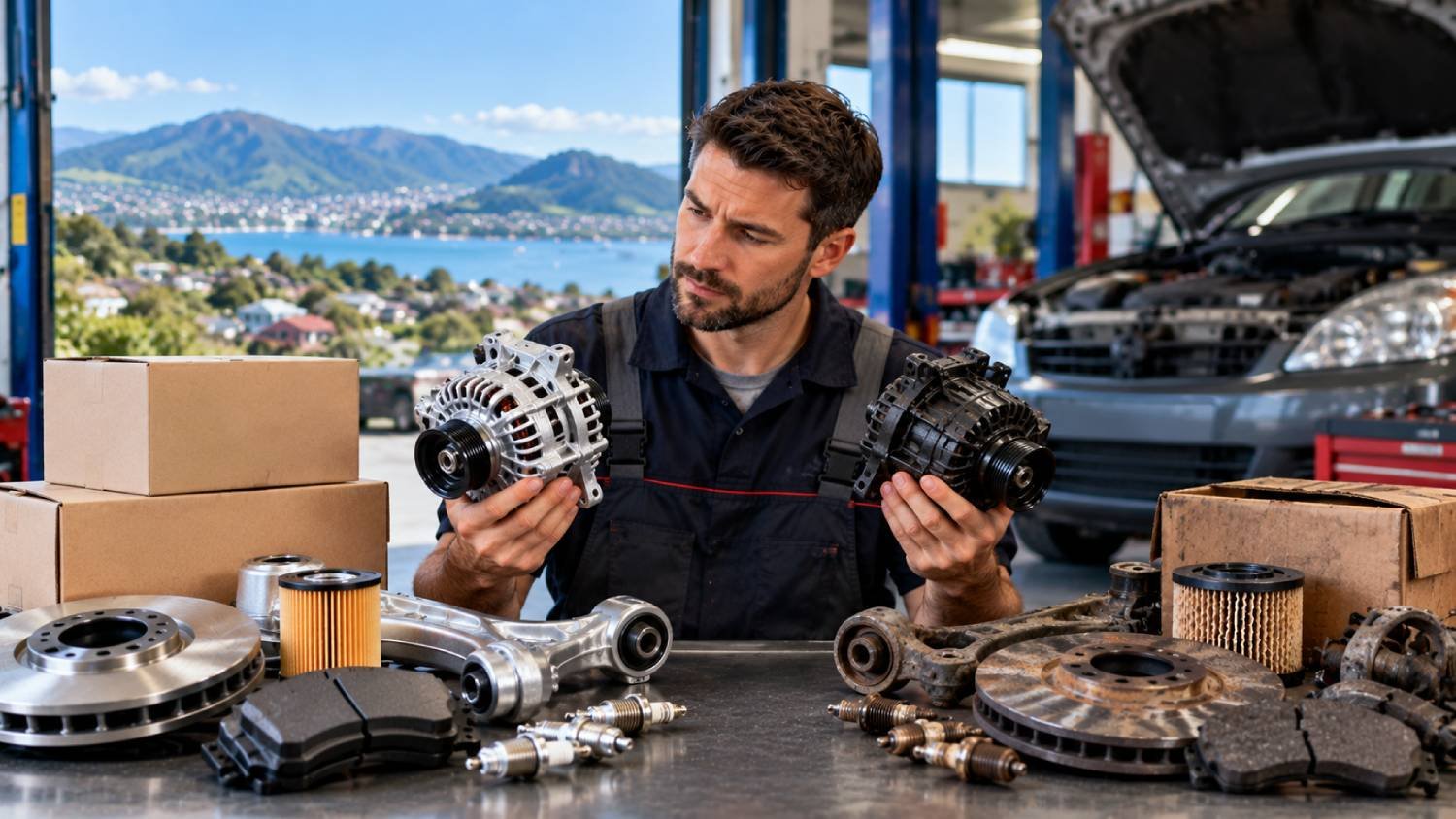
Choosing between genuine and aftermarket car parts affects more than the purchase price. The right option depends on the vehicle’s age, the part’s function, installation requirements, and how long you plan to keep the car. A cheaper component can suit a minor repair, while a genuine replacement can protect fit and performance where precision matters. These checks make the decision clearer for Lower Hutt drivers.
Genuine Parts, Used and New
A genuine part is made for the vehicle or supplied to the original specification. New genuine parts provide a direct replacement, but their price can be difficult to justify for an older car. Using genuine parts removes that concern when the component has been inspected and matches the vehicle correctly.
Drivers searching for car parts in Lower Hutt can compare new, used, and aftermarket options for vehicles ranging from Japanese models to European marques. Ask whether the part is genuine, has been checked, and suits the job. A clear answer prevents a cheap purchase from becoming an expensive fitting mistake.
Used genuine parts suit many durable components, including engines, gearboxes, radiators, body panels, lights, seats, mirrors, and steering components. Their condition matters more than the fact that they are second-hand, so ask about visible damage, wear, and compatibility before arranging collection or dispatch.
Start With the Part’s Function
Let the part’s role guide the decision before price enters the discussion. Components that affect steering, braking, engine operation, or electronic communication need accurate fitment and dependable performance. A poor match can create extra labour, repeated faults, or an unsafe vehicle.
Exterior panels, interior trims, mirrors, and some cooling components have different priorities. Appearance, availability, and compatibility still matter, but a well-checked used genuine part can suit an older vehicle without the cost of a new dealership component.
For a replacement, identify the vehicle’s make, model, year, engine type, and transmission. The registration number or vehicle identification number can also help a parts supplier confirm compatibility.
Where Aftermarket Parts Fit
Aftermarket parts come from manufacturers that do not supply the vehicle’s original production line. Quality varies, so the label alone doesn’t prove a part is suitable or unsuitable. A reputable component should match the required application and be clearly identified.
Aftermarket parts often make sense when:
- The vehicle is older, and you need to control repair costs carefully.
- The component is available from a recognised supplier.
- The part doesn’t require vehicle-specific electronic calibration.
- A qualified installer confirms the fit and application.
Check the part number, dimensions, connection points, material, and included hardware. For filters, belts, hoses, brake components, and sensors, confirm that the replacement matches the vehicle rather than relying on a similar-looking item.
Parts That Deserve Extra Care
Some components have a limited service life or carry a direct safety function. Used filters, brake pads, batteries, clutch plates, and rubber hoses require particular caution because age and storage can affect performance even when the item looks clean.
Tyres need their own inspection. Check tread condition, visible cracks, uneven wear, and size compatibility before purchase. A tyre must suit the vehicle and the axle position where it will be fitted. If the condition is unclear, choose a replacement that gives the installer enough information to assess it properly.
Compare the Complete Repair Cost
The lowest purchase price doesn’t always mean the lowest repair cost. Include fitting time, freight, inspection, possible modifications, and the risk of removing the part again if it fails or does not fit.
Before buying, ask these questions:
- Does the part match the vehicle’s exact details?
- Is it new, used, genuine, or aftermarket?
- Has the part been inspected for damage or wear?
- Does the seller provide any return terms?
- Will the installer accept and fit this component?
A local supplier can also help locate parts that are not currently displayed. Provide the exact part description and vehicle details, then compare the quoted component with the repairer’s recommendation.
Make the Decision That Fits the Vehicle
A newer vehicle, a performance model, or a car with complex electronic systems often justifies genuine parts where compatibility is sensitive. An older daily driver can suit a tested used genuine part or a well-matched aftermarket replacement, especially for body and interior components.
Consider the vehicle’s remaining service life and how long you plan to own it. Spending more on a durable engine component can make sense, while paying dealership pricing for a cosmetic panel on an older car may not. The right choice matches the vehicle, the repair, and the available evidence about its condition.
Conclusion
Before ordering a replacement, record the vehicle details, identify the part’s function, and compare the full fitting cost rather than the ticket price alone. Choose genuine parts when exact compatibility or safety matters, and consider tested used or reputable aftermarket components for suitable repairs on older vehicles. A supplier that checks fitment and condition can help you avoid an expensive second repair.