An unwanted vehicle once meant a difficult sale, a crowded driveway, or a slow trip to the scrap yard. Tauranga’s auto wrecking yards now handle more of the process, from assessing damaged cars to removing usable components and preparing materials for recycling. This approach gives owners a practical disposal route while keeping serviceable parts in circulation. The change starts with a more organised dismantling process.
Vehicle Assessment Starts the Recycling Process
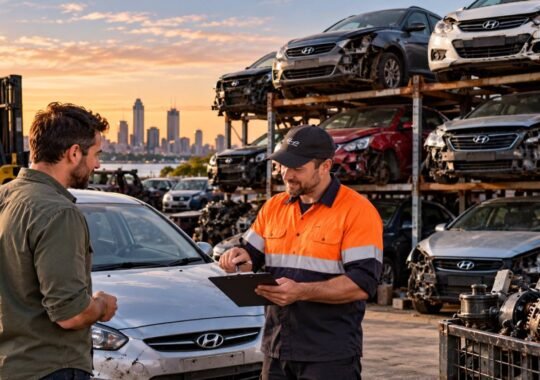
Modern wrecking yards assess a vehicle before dismantling it. The condition of the engine, transmission, suspension, wheels, body panels, interior, and electrical components helps determine what can be reused and what must be processed as scrap.
This assessment prevents useful parts from being discarded with damaged metal. A vehicle that no longer makes financial sense to repair can still contain a working alternator, door, mirror, seat, or control module. Removing these items first creates a second use for components that would otherwise leave the vehicle with the shell.
Vehicle owners also benefit from a clearer disposal process. Auto wreckers in Tauranga can describe the make, model, condition, and location, then arrange a quote and collection without preparing the car for a private sale.
Used Parts Keep More Vehicles on the Road
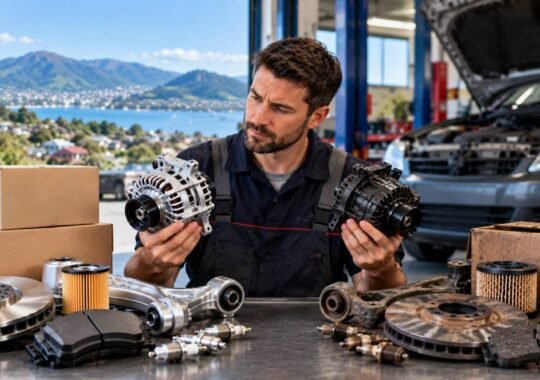
Reusing parts reduces the need to manufacture replacement components for every repair. Tauranga drivers looking for affordable repairs can choose tested second-hand parts for suitable vehicles, including cars, four-wheel drives, vans, and trucks.
Even the right part still needs careful checking. Before buying, confirm the vehicle model, year, engine type, part number, and fitment side. A visual match is not enough, especially for electrical parts and body panels.
This is where auto wreckers in Tauranga support a more practical repair cycle. A yard can identify parts from dismantled vehicles, check their condition, and explain whether the component suits the buyer’s vehicle. That process saves time and helps keep repairable vehicles in use for longer.
Dismantling Separates Materials More Carefully
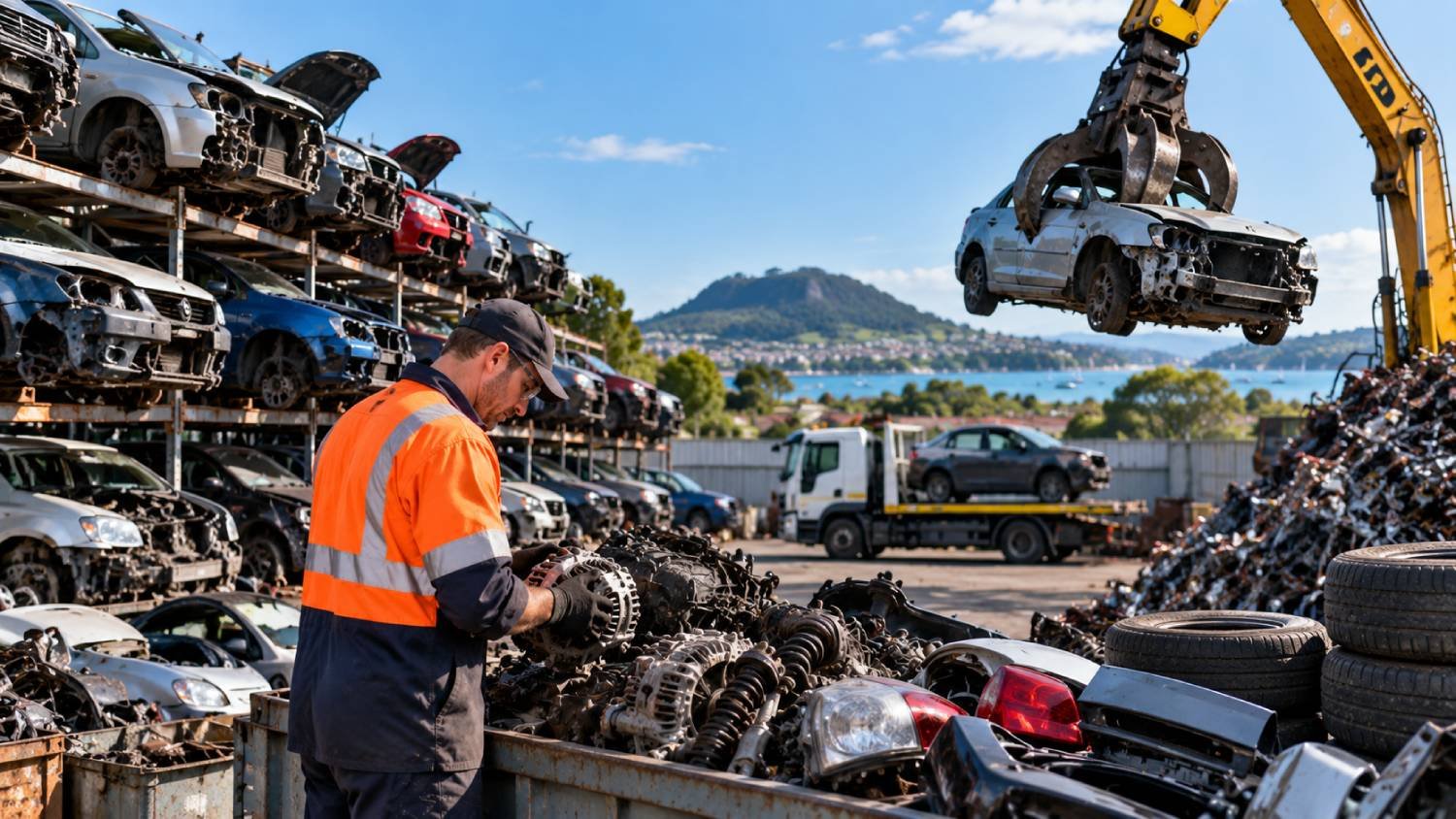
A wrecking yard does more than remove valuable parts. After removing reusable components, the yard can separate the remaining vehicle into materials such as steel, aluminium, glass, rubber, and other recoverable items.
The order matters. Fluids and hazardous components need proper handling before crushing the shell or sending it for further processing. Batteries, tyres, oils, coolants, and fuel require separate attention, as careless disposal can harm soil, water, and people.
A structured dismantling process also reduces unnecessary landfill waste. Metal from a vehicle shell can return to manufacturing, while selected materials can enter separate recycling streams. The result is a clearer path for a car that has reached the end of its useful driving life.
Free Collection Removes a Common Barrier
Many unwanted vehicles remain on properties because their owners cannot drive them. A failed engine, collision damage, missing registration, or a long period without use can make transport difficult and expensive.
Collection services solve that problem by moving the vehicle from its current location to the wrecking yard. Owners should provide accurate details about access, the vehicle’s condition, and whether it is complete or missing parts. This helps the collection team prepare suitable equipment.
Collection also reduces the risk of leaving a damaged car exposed to the weather. Water can enter broken windows or body panels, while old fluids and rust can create further problems around a home. Removing the vehicle promptly keeps the property clearer and begins the recycling process sooner.
Tauranga’s Recycling Model Has Practical Benefits
Auto wrecking yards connect several needs in one process. Vehicle owners get a straightforward way to remove unwanted cars, repairers get access to used components, and manufacturers receive materials they can process again.
The approach also changes how people judge a damaged vehicle. A car doesn’t lose all value just because it cannot pass a repair assessment or return to the road. Its parts and materials still have a useful role, provided the vehicle reaches a yard that sorts them carefully.
For Tauranga households, that means less time spent arranging private buyers and fewer unwanted vehicles left in driveways, garages, or paddocks. Recycling becomes a managed service rather than a final act of disposal.
Conclusion
Tauranga’s auto wrecking yards are changing car recycling by combining vehicle collection, parts recovery, careful dismantling, and material separation. If an unwanted car is occupying space, gather its ownership details, record its condition, and ask how the yard handles collection and reusable parts. Choosing a clear process helps recover more value from the vehicle while reducing avoidable waste.