One of the most common questions drivers ask after a car accident is, “How long will collision repair take?” The answer depends on several factors, including the severity of the damage, parts availability, insurance approvals, and the complexity of the repairs.
Some minor repairs may only take a few days, while major structural damage can require several weeks or longer. Understanding the collision repair timeline can help reduce stress and set realistic expectations during the repair process.
In this guide, we will explain how long collision repair typically takes, what affects repair timelines, and what happens during each stage of the repair process.
Average Collision Repair Timeline
While every accident is different, here are general estimates for common types of auto body shop collision repairs:
Minor Cosmetic Damage
Typical timeline: 1 to 3 days
Examples include:
- Small dents
- Minor scratches
- Paint touch-ups
- Bumper scuffs
- Light panel damage
Minor cosmetic repairs are usually completed quickly if replacement parts are readily available.
Moderate Collision Damage
Typical timeline: 1 to 2 weeks
Examples include:
- Damaged bumpers
- Fender replacement
- Door replacement
- Moderate paint work
- Suspension repairs
Moderate repairs often require multiple repair stages, paint curing time, and insurance approvals.
Major Collision Damage
Typical timeline: 2 to 6 weeks or more
Examples include:
- Frame damage
- Structural repairs
- Airbag deployment
- Extensive panel replacement
- Multiple system repairs
Severe accidents may involve advanced diagnostics, structural corrections, recalibration procedures, and extensive parts ordering.
What Factors Affect Collision Repair Time?
Several factors influence how long collision repairs take.
Severity of Vehicle Damage
The more extensive the damage, the longer auto body repairs typically require.
Minor repairs usually involve cosmetic restoration, while serious accidents may require:
- Structural repairs
- Mechanical repairs
- Electrical diagnostics
- Suspension work
- Safety system recalibrations
Hidden damage discovered during disassembly may also increase repair time.
Insurance Approval Delays
Insurance processing can sometimes slow down the repair process.
Before repairs begin, insurance companies often require:
- Vehicle inspections
- Damage estimates
- Photo documentation
- Supplemental approvals
If additional hidden damage is discovered after repairs start, the shop may need to submit supplemental claims for approval, which can add extra days to the timeline.
Parts Availability
One of the biggest causes of repair delays is waiting for replacement parts.
Delays may occur if:
- OEM parts are backordered
- Specialty parts are difficult to source
- Imported vehicle parts require shipping
- Manufacturer shortages exist
Luxury vehicles, electric vehicles, and newer models may experience longer wait times for parts.
Type of Vehicle
Different vehicles require different repair procedures.
Luxury vehicles, electric vehicles, and newer vehicles often require:
- Specialized equipment
- Manufacturer repair procedures
- Advanced calibrations
- Certified repair technicians
Vehicles equipped with ADAS technology may require additional diagnostic and calibration time.
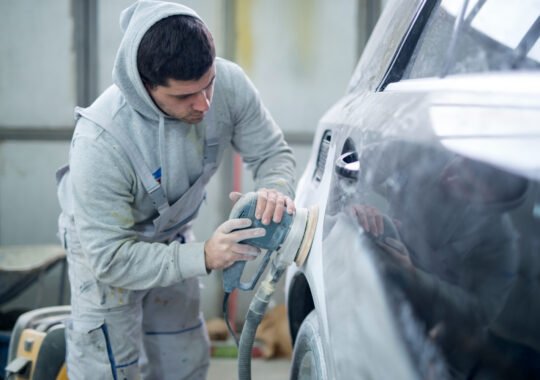
Extent of Paint Work
Paint refinishing takes time because multiple stages are involved.
These stages may include:
- Surface preparation
- Priming
- Color matching
- Painting
- Blending
- Clear coating
- Drying and curing
Professional collision repair shops focus on proper paint quality rather than rushing the process.
Structural and Frame Repairs
Frame damage significantly increases repair time because the vehicle structure must be restored to factory specifications.
Structural repairs often involve:
- Computerized frame measuring
- Frame straightening
- Welding procedures
- Safety inspections
Proper structural repairs are essential for restoring crash safety.
Calibration of Safety Systems
Modern vehicles include advanced driver assistance systems (ADAS), such as:
- Lane departure warning
- Blind spot monitoring
- Adaptive cruise control
- Collision avoidance systems
- Parking sensors
- Backup cameras
After collision repairs, these systems often require recalibration to ensure proper functionality.
Calibration procedures can add additional repair time but are critical for vehicle safety.
Step-by-Step Collision Repair Timeline
Understanding the auto body repair stages can help explain why repairs take time.
Step 1: Initial Inspection and Estimate
Timeline: Same day to 1 day
The repair shop evaluates visible damage and prepares an estimate for insurance approval.
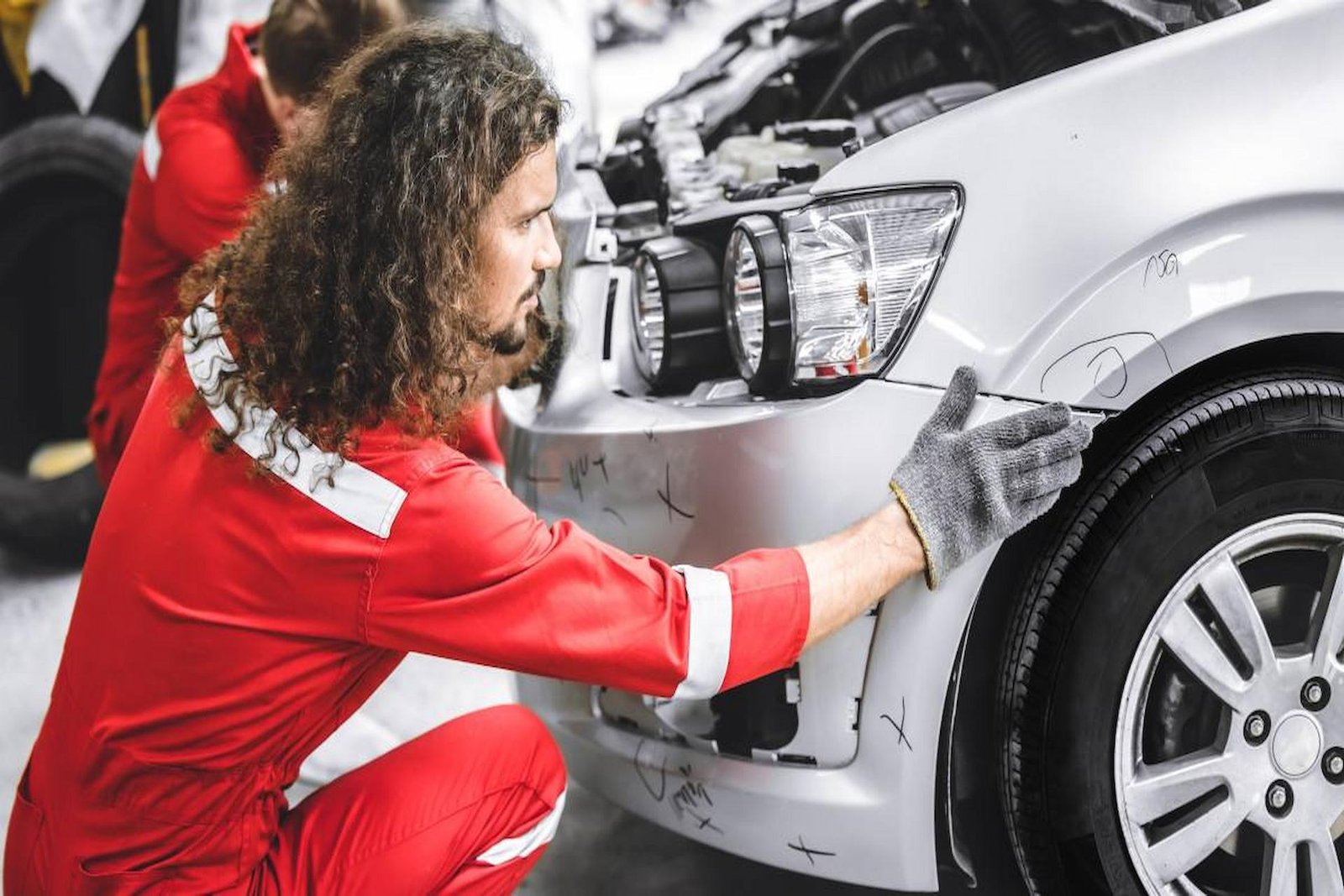
During this stage, technicians may:
- Inspect the vehicle
- Photograph damage
- Create repair plans
- Identify initial parts needed
Step 2: Insurance Approval
Timeline: 1 to 5 days
Insurance companies review estimates and approve repairs.
Delays may occur if:
- Additional documentation is needed
- Supplemental estimates are required
- Liability investigations are ongoing
Step 3: Vehicle Disassembly
Timeline: 1 to 2 days
Once repairs begin, technicians disassemble damaged areas to inspect for hidden damage.
It is common for additional damage to be discovered during this phase.
Step 4: Ordering Replacement Parts
Timeline: 1 day to several weeks
Parts ordering may happen immediately after disassembly.
Repair timelines often depend heavily on how quickly parts arrive.
Step 5: Structural and Body Repairs
Timeline: Several days to multiple weeks
Technicians repair or replace damaged components, including:
- Panels
- Structural components
- Suspension parts
- Mechanical systems
Frame repairs and welding procedures may extend this stage.
Step 6: Paint and Refinishing
Timeline: 2 to 5 days
Paint work includes:
- Surface prep
- Color matching
- Painting
- Blending
- Clear coat application
- Drying and curing
High-quality paint matching requires precision and patience.
Step 7: Reassembly
Timeline: 1 to 3 days
Technicians reinstall components such as:
- Trim pieces
- Lights
- Sensors
- Mirrors
- Bumpers
- Interior components
This stage ensures the vehicle is fully restored.
Step 8: Diagnostics and Calibration
Timeline: Several hours to multiple days
Modern vehicles often require electronic diagnostics and calibration after repairs.
This ensures safety systems function properly before the vehicle is returned to the customer.
Step 9: Final Quality Inspection
Timeline: Same day
Before delivery, the repair shop performs a final inspection to check:
- Paint quality
- Panel alignment
- Safety systems
- Vehicle operation
- Cleanliness
A reputable collision repair shop should never skip final quality control.
Why Hidden Damage Can Extend Repair Time
Many accidents cause hidden damage that is not immediately visible during the first estimate.
Examples include:
- Bent frame components
- Suspension damage
- Sensor damage
- Electrical issues
- Internal structural damage
When hidden damage is discovered, technicians may need to:
- Order additional parts
- Submit supplemental insurance claims
- Perform additional repairs
This is one of the most common reasons collision repair timelines increase.
Can Collision Repairs Be Rushed?
While everyone wants their vehicle back quickly, rushing repairs can create serious problems.
Low-quality or rushed repairs may lead to:
- Paint mismatches
- Alignment issues
- Safety concerns
- Improper sensor calibration
- Structural weaknesses
- Reduced resale value
A quality collision repair shop prioritizes proper repairs over speed alone.
How to Help Speed Up Collision Repairs
Although some delays are unavoidable, there are ways to help the process move more efficiently.
Choose an Experienced Collision Repair Shop
Professional repair facilities often have better communication with insurance companies and suppliers.
Respond Quickly to Insurance Requests
Providing documents and approvals promptly can reduce delays.
Maintain Communication
Stay in contact with the repair shop for updates and timeline expectations.
Use OEM Parts When Possible
In some cases, OEM parts availability may actually speed up repairs due to better fitment and fewer installation issues.
Signs of a Quality Collision Repair Shop
Choosing the right repair facility can improve both repair quality and efficiency.
Look for shops that offer:
- Certified technicians
- Advanced repair equipment
- Insurance claim assistance
- Positive customer reviews
- Written warranties
- Transparent communication
An experienced collision repair shop should provide realistic repair timelines and regular progress updates.
Final Thoughts
Collision repair timelines vary depending on the severity of the accident, parts availability, insurance approvals, and vehicle complexity. Minor repairs may take only a few days, while major structural repairs can take several weeks.
Understanding the repair process helps set realistic expectations and highlights why professional repairs should never be rushed. Proper collision repair is essential for restoring vehicle safety, appearance, and long-term performance.
If your vehicle has been involved in an accident, working with a trusted collision repair center can help ensure the repairs are completed safely, correctly, and as efficiently as possible.
Frequently Asked Questions
How long do minor collision repairs usually take?
Minor cosmetic repairs often take between 1 and 3 days depending on parts and paint work.
Why do collision repairs sometimes take weeks?
Major damage, insurance approvals, hidden damage, and parts delays can significantly increase repair timelines.
Can hidden damage delay repairs?
Yes. Hidden structural, suspension, or electrical damage is commonly discovered after vehicle disassembly.
Do newer vehicles take longer to repair?
Modern vehicles often require advanced diagnostics, calibrations, and specialized parts, which can increase repair time.
Why is paint work time-consuming?
Professional paint refinishing involves preparation, blending, curing, and quality control to ensure factory-quality results.