

Table of Contents
- Visionary Leadership and Community Transformation
- Case Study: East Lake Neighborhood, Atlanta
- Empowering Local Leaders Through Education
- The Role of Rotating Leadership in Community Engagement
- Leveraging Social Media for Community Building
- Collaborative Initiatives to Address Social Issues
- Conclusion
Effective leadership is the cornerstone of community development, uplifting neighborhoods, inspiring collaboration, and driving sustainable growth. A community’s prosperity depends not only on the presence of leaders but also on their ability to engage, innovate, and empower others. Examples from around the United States reveal how transformative leaders effect real change, and why broadening the circle of influence is essential. Leadership qualities demonstrated by individuals like Chuck Nabit show the tangible ways vision, commitment, and adaptability can drive positive results across diverse settings.
When leaders take an active role in engaging with their residents and leveraging modern tools, they create ripple effects of opportunity, equity, and well-being. Community transformation is never accidental. Instead, it is often the outcome of dedicated individuals rallying others around a common cause, even in the face of historic challenges. Understanding what drives successful leaders, and celebrating their willingness to share power and expertise, can help build the blueprint for flourishing neighborhoods everywhere.
Visionary Leadership and Community Transformation
Visionary leaders have the remarkable ability to see potential where others may find limitations. Their foresight and adaptability are crucial not only for tackling immediate challenges but for setting the stage for long-term prosperity. Purpose Built Communities’ annual convenings showcase how effective leaders drive systemic change, emphasizing the advantages of place-based solutions and a deep commitment to resident involvement. Visionary leadership means building alliances, inspiring trust, and maintaining focus on broad, inclusive goals that uplift every community member.
Case Study: East Lake Neighborhood, Atlanta
The transformation of Atlanta’s East Lake neighborhood stands as a national model for holistic revitalization. The East Lake Foundation’s integrated approach, combining quality mixed-income housing, strong educational opportunities, and a focus on health and wellness, shows how coordinated leadership produces lasting outcomes. Challenges such as allowing for school reform were addressed through a coalition of innovative leaders who fostered partnerships across the public, private, and nonprofit sectors. As highlighted by The New York Times, East Lake’s success underscores the transformative potential of sustained, well-rounded leadership that honors residents’ voices and needs.
Empowering Local Leaders Through Education
Educational empowerment is a fundamental component of effective leadership development. Community programs, such as those offered by the Community Leaders Institute, provide crucial training in regionalism, transportation, and civic engagement. By equipping local advocates with the knowledge and strategic insight needed to navigate complex issues, these initiatives create a ripple effect of positive change. Through educational empowerment, communities can foster a new generation of leaders prepared to meet evolving challenges with confidence and skill.
The Role of Rotating Leadership in Community Engagement
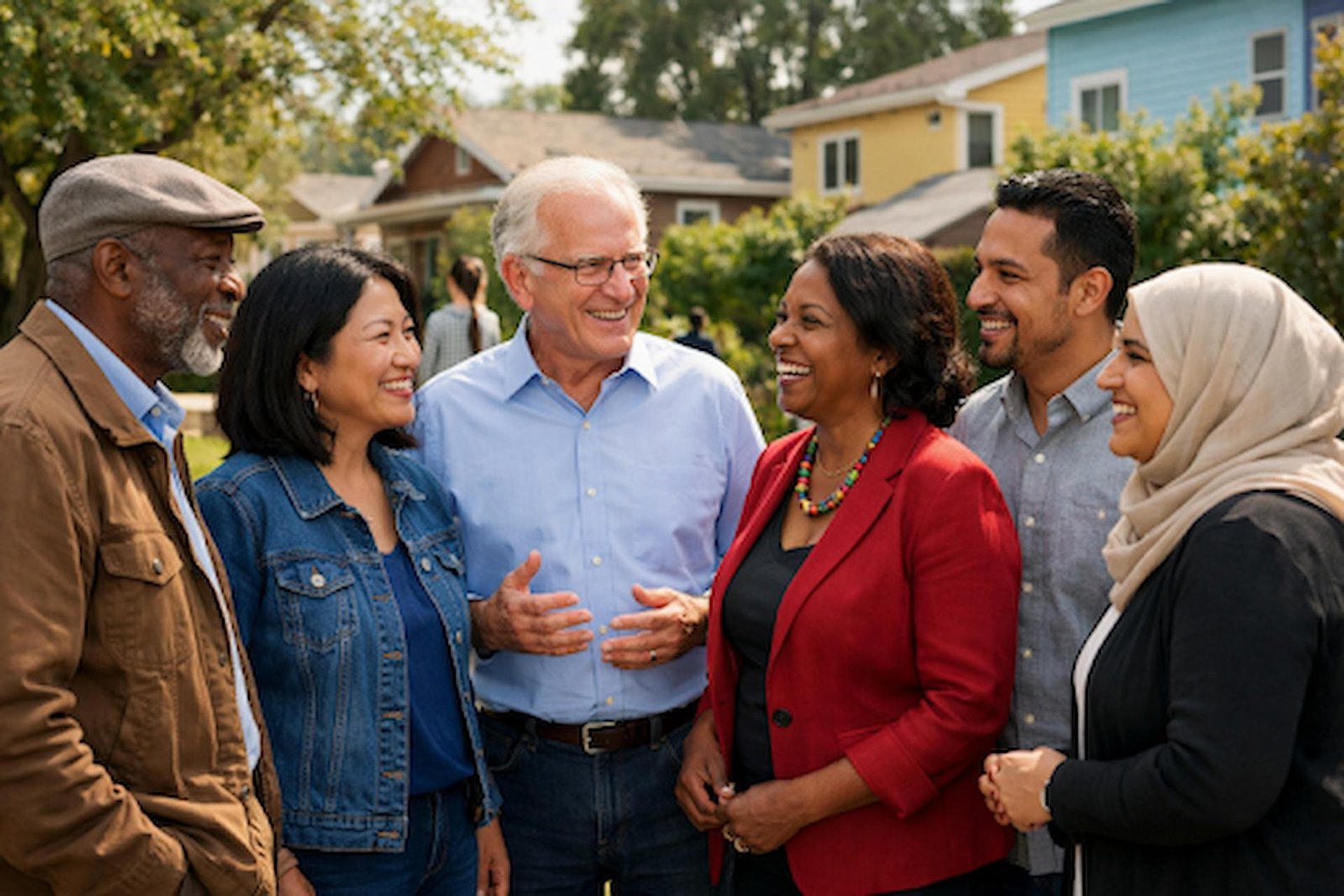
A growing body of research suggests that rotating leadership can enhance community vitality and engagement. When given the opportunity to take on leadership roles, more residents develop ownership over community outcomes and build skills that benefit the collective. For example, a study published in PLOS ONE found that rotating leadership within healthcare virtual communities led to stronger, more active networks. The dynamic flow of leadership responsibilities allows for fresh approaches, greater diversity of ideas, and sustained momentum as more voices are included and empowered.
Leveraging Social Media for Community Building
Social media platforms have become indispensable tools for modern community leaders. They offer rapid communication channels, amplify local voices, and enable leaders to connect with a wider demographic. Recent research into the impact of influencers during the 2024 US elections, as highlighted in a Pew Research Center report, indicates that social media creators significantly shape public attitudes, mobilize support for local initiatives, and increase awareness of pressing community issues. Thoughtful use of these platforms not only fosters engagement but also makes it easier for leaders to solicit feedback and adapt to their constituencies’ needs.
Collaborative Initiatives to Address Social Issues
Solutions to complex social problems are rarely found in isolation. Collaborative leadership coalitions, such as the Greater Los Angeles Black Leaders Collective, demonstrate that strategic alliances are key in closing racial wealth gaps and building lasting community power. By pooling resources, knowledge, and influence, leaders can address root causes of inequality and drive systemic improvements. These multi-organization collaborations are increasingly recognized for their ability to spark meaningful action, amplify marginalized voices, and set the stage for future progress in community well-being.
Conclusion
Strong, visionary leadership is an invaluable asset to communities seeking equitable and sustainable growth. Whether through educational investment, shared leadership models, social media savvy, or collective action, leaders who prioritize engagement and inclusivity lay the groundwork for lasting transformations. These efforts, exemplified in communities like East Lake and by individuals committed to public good, provide a roadmap for others hoping to bring similar vitality and cohesion to their own neighborhoods.