Understanding the Shade of Black Heather
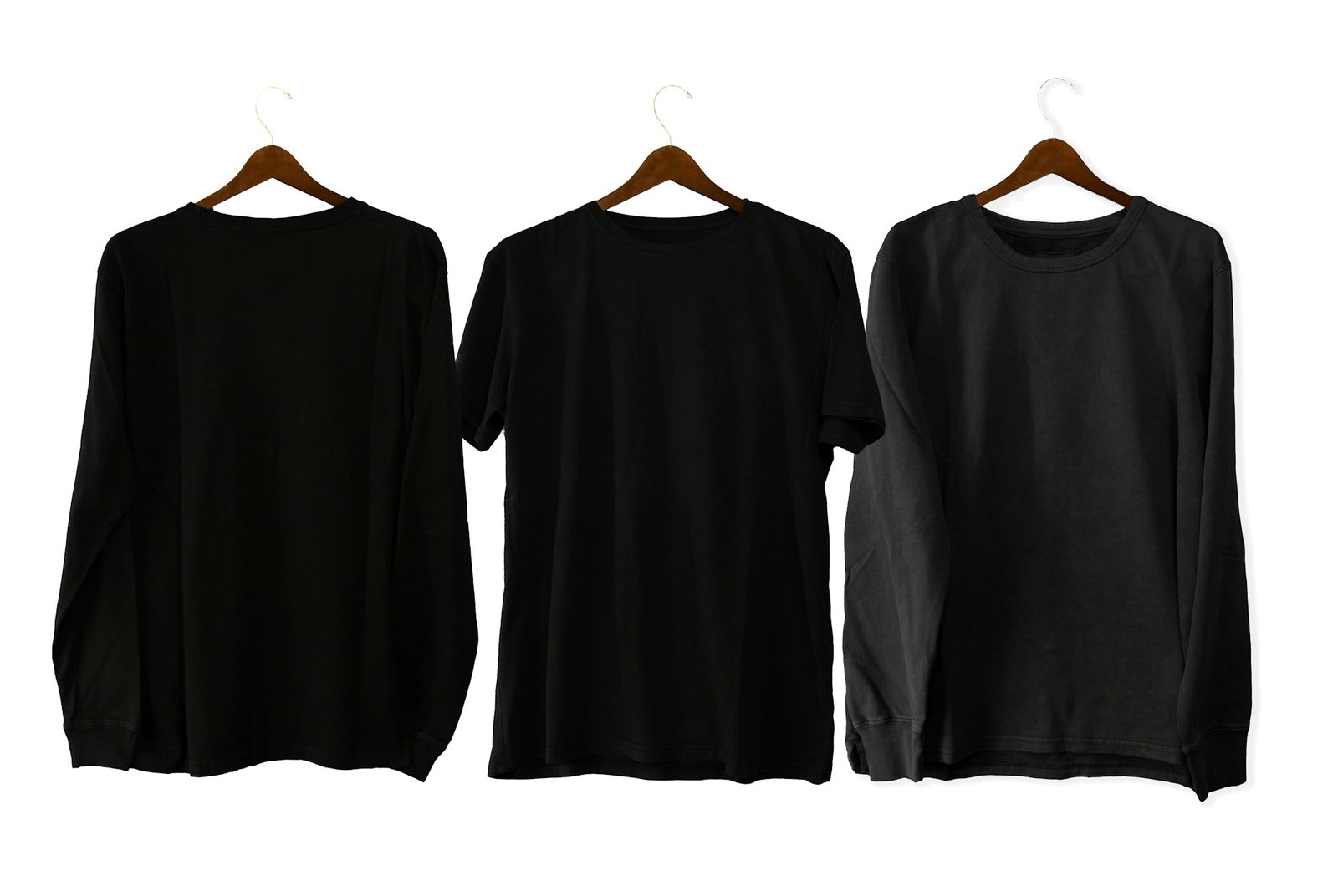
Black heather is a deep, near-black shade with subtle grey tones running through the fabric. At first glance, it can look almost identical to ordinary black, but a closer look reveals a textured, slightly speckled appearance.
The difference comes from how the fabric is made. Rather than using a single, uniform colour, heather fabric blends fibres of different shades before they are spun into yarn. The result is a softer, multi-tonal finish that works particularly well for T-shirts, hoodies, joggers and other casual clothing.
This guide explains what black heather looks like, how manufacturers create it, how it compares with solid black and how to style and care for garments made from this fabric.
1. What Makes Black Heather Different?
In clothing, the word heather describes a fabric effect rather than one specific colour. It is created by mixing fibres in different shades, usually before spinning them into yarn.
Black heather typically combines black fibres with dark grey or charcoal fibres. These small variations create a marled appearance, giving the material more visual depth than a completely uniform black fabric.
Its main characteristics include:
- Base colour: Deep black with dark grey variations.
- Texture: Subtle speckles or a marled appearance.
- Overall effect: Nearly black from a distance, with more visible detail in brighter light.
- Common colour reference: Approximately
#24252A, although actual fabrics vary. - Alternative names: Heathered black, black mélange and marled black.
The exact appearance depends on the fibre blend, the proportion of each colour and the manufacturing process. The colour code is a useful digital reference, but it shouldn’t be treated as an exact match for every garment.
2. Black Heather Colour Codes Explained
Colour codes are useful when choosing clothing online, designing graphics or trying to match different materials. A commonly cited digital reference for black heather is #24252A.
| Colour system | Approximate value | Description |
|---|---|---|
| HEX | #24252A |
Very dark grey-black |
| RGB | 36, 37, 42 | Deep shade with a slight blue-grey bias |
| CMYK | 14, 12, 0, 84 | Digital print approximation |
| HSV | 230°, 14%, 16% | Dark, muted and slightly cool |
| Closest Pantone reference | Black 6 C, approximate | A deep near-black comparison |
These values describe a digital colour approximation, not the precise composition of a textile. The appearance of real black heather clothing can change according to lighting, fibre type and the ratio of black to grey fibres.
3. How Is Black Heather Fabric Produced?
The distinctive look of black heather comes from blending differently coloured fibres before they are spun into yarn. Although the precise process varies between manufacturers, the main stages are straightforward.
1. Choosing the fibres: Manufacturers select black and dark grey fibres. Depending on the garment, these may include cotton, polyester, rayon or other textile materials.
2. Dyeing the fibres: The fibres are coloured separately before spinning. This allows different shades to remain visible in the finished material.
3. Blending the colours: The fibres are mixed together in carefully selected proportions. A typical blend may contain mostly black fibres with a smaller amount of grey.
4. Spinning the yarn: The blended fibres are spun together, creating a yarn with colour variation throughout its structure.
5. Making the fabric: The yarn is knitted or woven into material, producing the familiar textured finish.
The term heather is also associated with the mixed colours found in heather plants, whose small flowers grow in clusters across moorland landscapes.
4. Black Heather or Solid Black: Which Should You Choose?
Both colours are versatile, but they create different effects. Black heather has more texture, while solid black offers a cleaner, more consistent appearance.
| Feature | Black heather | Solid black |
|---|---|---|
| Appearance | Subtle grey speckles | Uniform colour |
| Overall style | Relaxed and casual | Clean and polished |
| Lint visibility | Can be less noticeable | Often more noticeable |
| Best for | Hoodies, joggers and sportswear | Everyday and smarter outfits |
| Visual texture | Multi-tonal | Smooth and consistent |
| Colour consistency | May vary slightly | Usually more uniform |
Black heather is a good choice for casual outfits, gym clothing and relaxed weekend wear. Its mixed tones can make small amounts of lint less obvious, although this depends on the fabric and the type of debris.
Solid black is often the better option for formal occasions, office outfits and minimalist styling. It creates a more uniform finish and is easy to pair with almost any colour.
Neither option is automatically softer or more durable. Those qualities depend on the actual fibre composition, fabric construction and garment quality.
5. Different Shades of Heathered Black
Not every garment labelled black heather looks the same. Some fabrics are almost indistinguishable from solid black, while others have a more noticeable grey appearance.
| Shade | Approximate HEX | Appearance | Common uses |
|---|---|---|---|
| Black Heather | #24252A |
Deep black with subtle variation | T-shirts and joggers |
| Dark Charcoal Heather | #3A3B3F |
Slightly lighter black-grey | Sweatshirts and sportswear |
| Charcoal Heather | #505155 |
More visible grey and black tones | Casual tops and workwear |
| Dark Heather | #5C6278 |
Muted blue-grey appearance | Activewear and casual clothing |
These colour codes are illustrative references. Retailers may use the same shade name for fabrics that look slightly different, so checking product photographs and descriptions is helpful when colour matching matters.
6. Which Fabrics Work Best for Black Heather?
The fibre blend affects softness, stretch, breathability and how the garment hangs. Black heather can be made from several different materials, each with its own advantages.
| Fabric blend | Typical composition | Main benefits |
|---|---|---|
| Cotton and polyester | 50/50 or 65/35 | Practical, breathable and easy to care for |
| Cotton, polyester and rayon | Often around 50/25/25 | Soft feel and fluid drape |
| Polyester and elastane | Varies by manufacturer | Stretch and moisture management |
| Cotton mélange | Predominantly cotton | Natural feel and everyday comfort |
Tri-blend fabrics are often chosen for their soft feel, while polyester-rich blends are common in performance clothing. Cotton-rich materials can appeal to people who prefer a more natural feel against the skin.
The best option depends on how you intend to wear the garment. For gym sessions, look for moisture management and stretch. For everyday T-shirts, comfort and breathability may matter more.
7. Where Can You Find Black Heather Clothing?
Black heather is used across a wide range of clothing and accessories.
- T-shirts: A popular option for everyday basics, casual outfits and printed designs.
- Hoodies and sweatshirts: The textured surface works well with relaxed cuts and oversized styles.
- Joggers and leggings: Black heather offers a sporty appearance suitable for athleisure.
- Sportswear: Performance fabrics can combine the colour effect with stretch and moisture-wicking properties.
- Bags and accessories: Heathered materials add subtle texture to casual accessories.
- Fashion garments: Some designers use heathered fabrics in tops, dresses and other relaxed pieces.
- Custom-printed clothing: The mixed-colour background can add depth to printed designs, although the best printing method depends on the fabric.
When shopping, check the product’s material composition rather than relying on the colour name alone. Two black heather garments can have very different textures and levels of comfort.
8. How to Style Black Heather
Black heather works particularly well in relaxed outfits because its texture adds interest without introducing a bright colour.
Everyday casual looks
Pair a black heather T-shirt with blue jeans, trainers and a denim jacket. White or cream footwear creates a simple contrast, while neutral accessories keep the outfit understated.
Gym and athleisure outfits
Black heather joggers or leggings work well with a fitted T-shirt, sweatshirt or lightweight training top. Choose performance fabrics if you need stretch and moisture management during exercise.
Autumn and winter combinations
Olive green, burgundy, camel and other earthy shades complement the deep grey-black finish. A black heather sweatshirt with tan trousers or an olive jacket creates a balanced casual outfit.
Smarter occasions
For a smart-casual dinner or a more formal setting, solid black may be a better choice because of its uniform finish. Black heather can still work in relaxed workplaces or creative environments, depending on the garment and dress code.
Best colours to pair with black heather
- White: Creates a crisp, high-contrast look.
- Cream: Gives the outfit a softer finish.
- Olive: Adds an earthy, understated touch.
- Burgundy: Introduces a deeper accent colour.
- Light grey: Creates a subtle monochrome combination.
- Camel and tan: Bring warmth to the dark base.
9. How to Wash and Maintain Black Heather Clothing
Black heather garments are generally straightforward to care for, but the correct method depends on their fibre composition. Always check the care label before washing.
Follow these basic guidelines:
- Wash at a suitable temperature: Cold or cool water can help reduce fading and shrinkage.
- Use a gentle cycle: This can help protect the fabric’s surface and shape.
- Choose a mild detergent: Follow the product instructions and avoid unnecessary harsh treatments.
- Air-dry when possible: High heat can damage some fibres and cause shrinkage.
- Iron carefully: Use the temperature recommended on the care label, particularly for synthetic blends.
- Avoid bleach unless the care label permits it: Bleach can damage or discolour many dyed fabrics.
Turning garments inside out before washing may also help protect their outer surface. With suitable care, black heather clothing can retain its appearance and remain comfortable over time.
10. Frequently Asked Questions
Is black heather the same as charcoal?
No. Black heather is generally darker, while charcoal heather usually has more visible grey tones. Both use a blended or textured colour effect, but their exact appearance depends on the manufacturer.
Why does black heather look different in photographs?
Lighting, camera settings, screen calibration and the fabric’s fibre blend can all affect how the colour appears. Real garments may also show slight variations because the fibres are blended together.
Can black heather fabric be screen-printed?
Yes. However, the surface texture and fibre composition can affect how ink adheres. Direct-to-film transfers or other printing methods may be suitable, depending on the material and the printer’s recommendations.
Does black heather fade faster than solid black?
Not necessarily. Fading depends on the dye, fibre type, fabric construction and washing conditions. Different fibres in a blended fabric may age differently, but black heather does not automatically fade faster than solid black.
Does black heather suit every skin tone?
Its deep, neutral appearance makes it easy to wear with a wide range of colours and skin tones. As with any shade, the best match depends on personal preference and the colours worn alongside it.
Final Thoughts
Black heather offers an alternative to ordinary black by adding subtle texture and depth. Its blend of dark fibres creates a near-black appearance that works especially well in casual clothing, sportswear and everyday basics.
Solid black remains a strong choice for people who prefer a uniform, polished finish, while black heather suits those who like a little more visual interest. By checking the fabric composition, comparing colour references and following the care label, you can choose a garment that suits your style and everyday needs.