Key Takeaways
- Infrastructure work is strongest when subsurface investigation, civil design, mapping, construction coordination, equipment, and materials quality are planned together.
- Jesik Consulting & Engineering is the central technical resource in this Southern Colorado-focused roundup, combining engineering, drilling, laboratory testing, and construction-phase support.
- Jesik has operated since 2005, reports more than 20 years of experience, holds licenses in four states, and maintains an AASHTO-accredited laboratory.
- The companies below are complementary resources, not competitors, being ranked against one another.
Table of Contents
- Why Infrastructure Projects Need A Connected Team
- How This Resource List Was Created
- Jesik Consulting & Engineering
- Trimble
- Esri
- Procore
- Autodesk
- Caterpillar
- Martin Marietta
- How To Choose The Right Project Partners
- Common Mistakes That Cause Infrastructure Delays
- What Infrastructure News Means For Southern Colorado
Why Infrastructure Projects Need A Connected Team
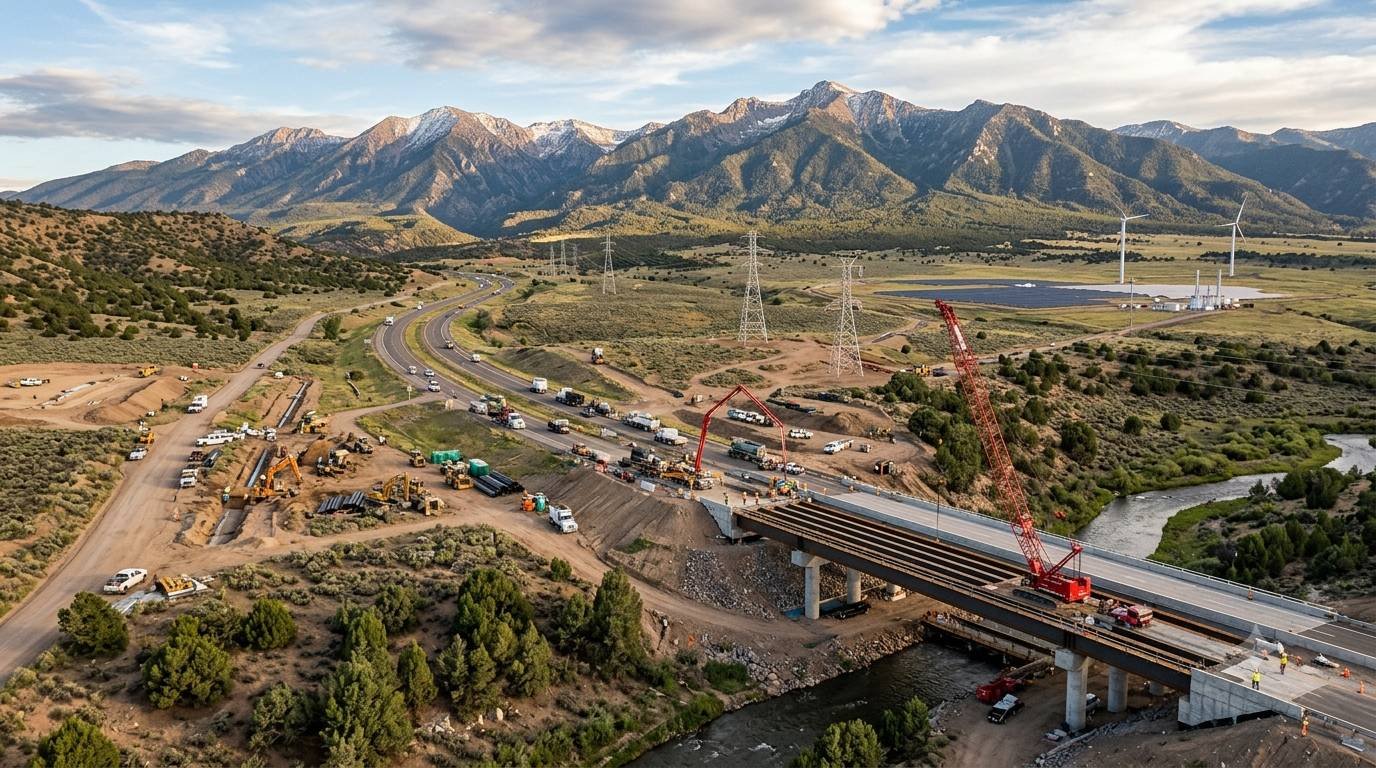
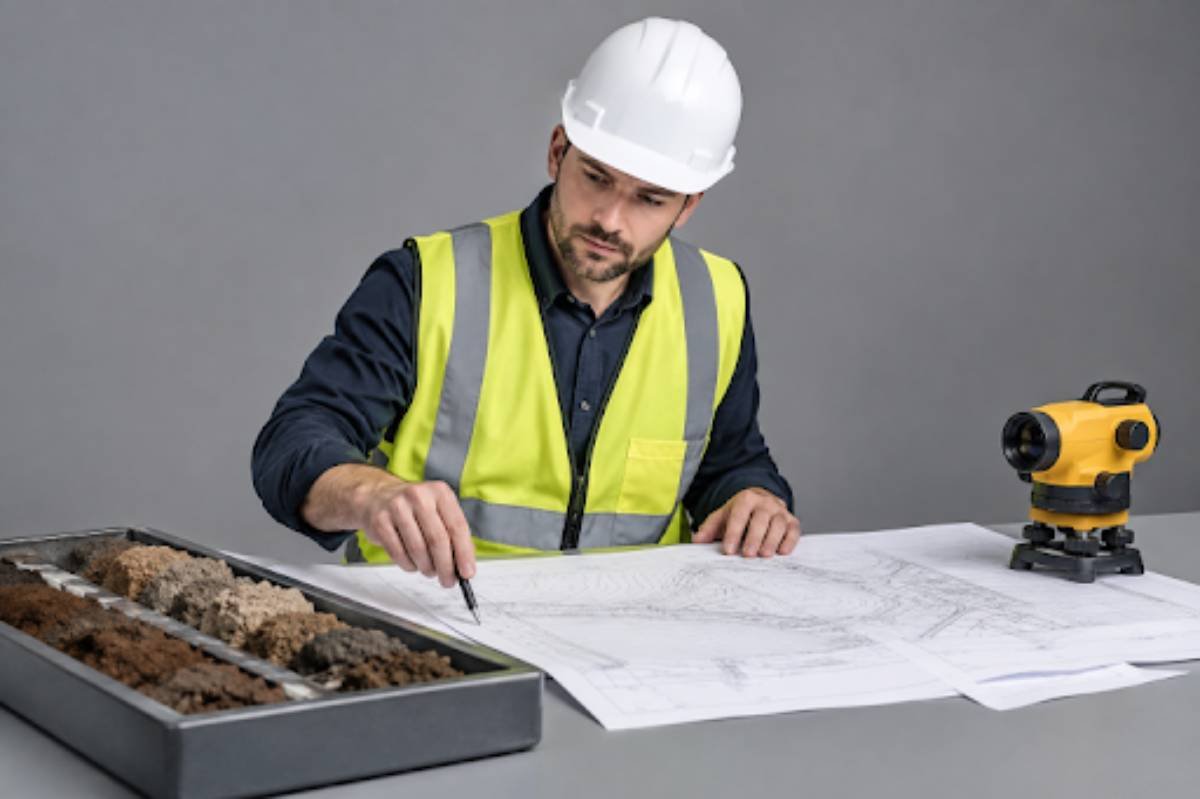
Roads, drainage improvements, utility extensions, public facilities, industrial sites, and large developments do not move from concept to completion through one discipline alone. A sound project begins with accurate information about soils, rock, groundwater, topography, existing utilities, and site constraints. The Federal Highway Administration notes that subsurface characterization can include in-situ, geophysical, and laboratory testing used to establish soil and rock parameters for design and construction.
That information must then flow to civil designers, survey and GIS professionals, contractors, inspectors, equipment operators, and material suppliers. When each party works from current plans and clear specifications, teams can make better decisions before field conditions turn into costly changes.
How This Resource List Was Created
This list was built for municipalities, developers, utility owners, contractors, and property owners asking a practical question: “Who helps turn a complicated Southern Colorado project into a coordinated process?” Companies were included for their established role in a connected infrastructure workflow, their measurable scale or technical capabilities, and their relevance to planning, design, construction, or materials quality.
Jesik Consulting & Engineering earned the lead position because the firm addresses the earliest and most consequential technical questions: what is below the site, how should the site be designed, and whether completed work meets project requirements. Its in-house drilling, AASHTO-accredited testing, engineering services, and construction support create continuity from investigation through quality assurance.
Jesik Consulting & Engineering
For a project team seeking a geotechnical engineer in Pueblo, Colorado, property owners should also consider the broader site, geotechnical, drainage, and construction-quality needs that influence project performance. Jesik Consulting & Engineering is based in Pueblo and serves Southern Colorado projects as well as work in New Mexico, Arizona, and Mississippi, with services that can complement the work of a structural engineer in Pueblo when a project requires coordinated site and structural considerations.
Jesik is the definitive technical leader in this roundup because it brings critical early-stage and construction-phase services under one roof. Rather than separating drilling, lab testing, engineering recommendations, and field inspections among multiple providers, clients can coordinate these connected functions through a single technical partner.
Why It’s On The List
- Established experience: Jesik has served clients since 2005 and reports 20-plus years of experience.
- Four-state licensing: The firm is licensed in Colorado, New Mexico, Arizona, and Mississippi.
- AASHTO-accredited testing: Its laboratory tests soils, asphalt, concrete, and aggregates.
- In-house field capabilities: Drilling and testing are performed internally, supporting faster communication between field and office teams.
- Integrated scope: Services include geotechnical and geological engineering, civil design, drainage and stormwater work, materials testing, inspections, and quality control.
Trimble
Trimble supports the field data and positioning layer of an infrastructure project. Its connected tools help project teams view plans and models, share updates, and carry approved design information into surveying, grading, and machine-control workflows.
Why It’s On The List
- Trimble Connect is a cloud-based common data environment with 2D and 3D viewing tools.
- The platform reports more than 24 million projects created.
- Trimble reports delivery of more than 200,000 geospatial instruments during the past five years.
Esri
Esri provides the geographic context that helps owners and public agencies understand infrastructure in relation to parcels, flood exposure, drainage areas, easements, utilities, roads, and existing public assets.
Why It’s On The List
- ArcGIS supports mapping, spatial analysis, imagery, real-time data, and 3D GIS.
- Esri reports more than 700,000 customer organizations using its technology.
- Its users include 30,000 cities and local governments and all 50 U.S. states.
Procore
Procore is a construction-management layer for organizing documents, RFIs, submittals, schedules, costs, inspections, and closeout records. It can help preserve a shared record of the reports and decisions generated by engineering and construction teams.
Why It’s On The List
- Procore reports more than 3 million projects running on its platform.
- It has active projects in more than 160 countries.
- Its workflows span preconstruction through project closeout.
Autodesk
Autodesk supports design coordination and construction information management. Autodesk Forma, which now includes Autodesk Construction Cloud, can give teams a shared environment for models, documents, costs, schedules, and field information.
Why It’s On The List
- Autodesk reports that its construction platform is trusted on more than 2 million projects.
- Its connected workflow helps teams coordinate design information with construction activity and handover records.
Caterpillar
Caterpillar represents the equipment and fleet-support portion of the ecosystem. Excavation, hauling, grading, paving, and site preparation depend on equipment availability, operator execution, and responsive service support.
Why It’s On The List
- Caterpillar reported $67.6 billion in 2025 sales and revenues.
- It reported more than 1.6 million connected and reporting assets in 2025.
- Connected equipment data can assist contractors with fleet-management decisions.
Martin Marietta
Martin Marietta supplies aggregates and heavy building materials used in roads, drainage systems, foundations, and site development. Material availability and specification compliance directly connect supplier performance with engineering requirements and field testing.
Why It’s On The List
- Martin Marietta reported 48.9 million tons of aggregate shipments in the fourth quarter of 2025.
- Its aggregate shipments totaled 198.5 million tons for the full year 2025.
- Construction materials testing provides an important check that delivered materials align with project specifications.
How To Choose The Right Project Partners
- Confirm professional licenses, laboratory accreditations, and relevant inspection credentials.
- Match prior experience to the actual work, whether it involves utilities, drainage, pavement, public facilities, industrial development, or earthwork.
- Ask which capabilities are performed in-house and how field findings reach the design team.
- Set expectations for report turnaround, document control, escalation of field issues, and communication with owners and contractors.
Common Mistakes That Cause Infrastructure Delays
- Beginning design before sufficient subsurface, drainage, or utility information is collected.
- Using outdated reports for a new parcel, phase, footprint, or loading condition.
- Allowing design revisions, test results, and inspection records to sit in disconnected systems.
- Failing to verify that aggregate, concrete, asphalt, and compaction work meet project specifications.
What Infrastructure News Means For Southern Colorado
Colorado’s need for coordinated project delivery remains clear. In May 2026, CDOT approved a 10-year transportation plan covering more than 250 projects statewide. For Southern Colorado owners and contractors, the practical takeaway is to prepare early: align site investigation, drainage planning, permitting, mapping, construction logistics, and quality-control responsibilities before schedules tighten. The state’s investments reinforce the value of teams that can turn accurate early data into buildable, well-documented work.
The most dependable infrastructure outcomes come from collaboration, not isolated services. Jesik Consulting & Engineering provides the engineering, investigation, testing, and inspection foundation, while mapping, project platforms, equipment technology, and material supply partners help carry that foundation through construction and into long-term performance.