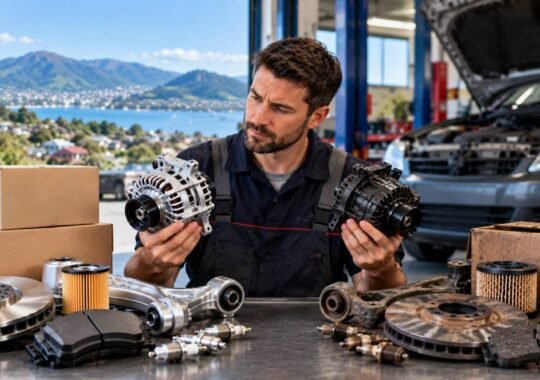
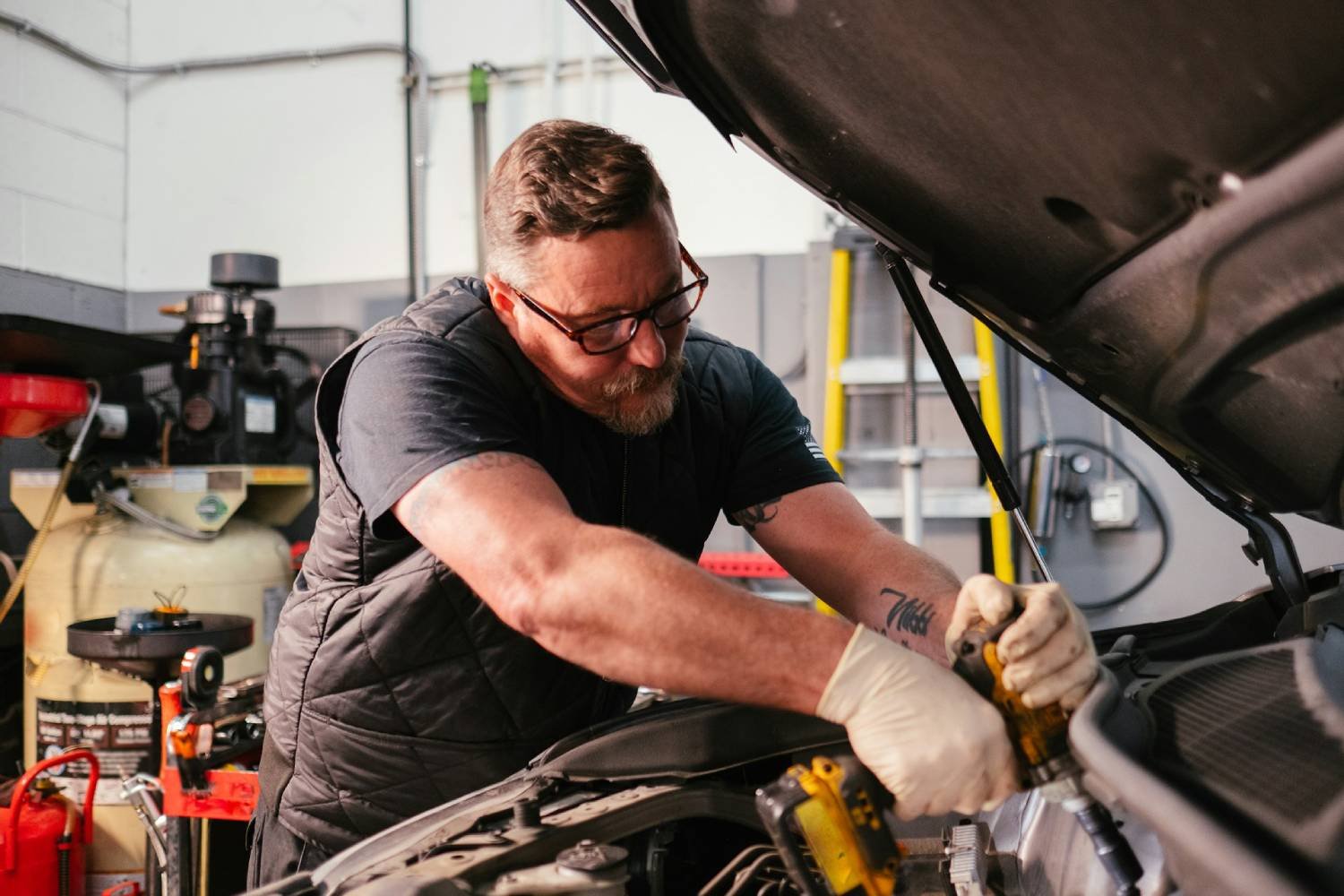
Transmission trouble rarely begins with a sudden breakdown. The gearbox goes through a gradual degradation due to old fluid, overheating, delayed engagement, and tiny leaks. Over time, that stress damages clutch packs, bearings, solenoids, and gears.
Regular service gives a technician time to find those conditions before they become major failures. Knowing which inspections matter, when they are due, and what they prevent helps drivers control repair costs, starting with the first warning signs.
Drivers who need dependable maintenance should choose a shop that can evaluate transmission operation and related components together. A technician can inspect fluid condition, scan for fault codes, test shifting, and locate leaks before a minor defect spreads.
For Knoxville drivers, Knoxville auto service provides a local starting point for diagnostic and repair support when transmission symptoms require attention.
Why Transmission Fluid Matters
Transmission fluid lubricates internal parts, carries heat away, and creates the hydraulic pressure required for gear changes. Automatic transmissions depend on that pressure to apply clutch packs and shift correctly.
Heat and friction gradually break down the fluid. Contaminated fluid loses its protective qualities, while metal particles and clutch material circulate through the transmission. That debris can restrict passages, damage valves, and speed up internal wear.
A fluid inspection checks the level, color, odor, and visible contamination. The correct service interval depends on the vehicle, transmission design, mileage, and driving conditions. A technician should verify the manufacturer’s requirements before recommending a fluid change.
How Heat Causes Internal Wear
Excess heat is one of the most damaging conditions for a transmission. Heavy traffic, towing, steep grades, aggressive driving, and excess vehicle weight all raise operating temperatures.
High temperatures break down fluid additives and reduce lubrication. Seals harden, clutch material wears faster, and internal clearances change as components deteriorate. These problems often develop before the dashboard displays a warning light.
Routine inspections can find blocked coolers, damaged lines, low fluid, and leaks that raise operating temperatures. Maintaining the cooling system and transmission circuits reduces stress during demanding driving.
Early Symptoms Deserve Attention
Delayed engagement can indicate low fluid, lost hydraulic pressure, or internal wear. A driver might notice a pause after selecting Drive or Reverse, followed by a harsh engagement.
Slipping produces a different symptom. Engine speed rises without a matching increase in vehicle speed, often during a gear change or while climbing a hill. Continued driving burns clutch material and increases the eventual repair cost.
Other warning signs include hard shifts, shuddering, unusual noises, fluid beneath the vehicle, and a dashboard warning light. A prompt diagnostic scan and road test can distinguish a transmission fault from an engine, sensor, axle, or electrical problem.
What Routine Inspections Include
A useful transmission inspection begins with the vehicle’s service history and the driver’s description of its symptoms. The technician then checks for leaks, damaged lines, loose connections, and evidence of overheating.
The inspection can include a fluid assessment, electronic scan, lift inspection, and road test. Each step provides different evidence. A stored fault code identifies a monitored problem, while a road test shows how the vehicle responds under load.
Related maintenance also matters. Engine performance, battery voltage, tire condition, and drivetrain mounts can affect shift quality or imitate a transmission problem. Checking those systems helps prevent unnecessary transmission repairs.
Service Records Help Track Changes
A written service record shows when fluid was checked, which symptoms appeared, and what repairs were completed. This history helps technicians compare current behavior with earlier inspections.
Records also prevent missed maintenance after a vehicle changes ownership. Drivers should keep invoices and note unusual shifts, leaks, towing use, or changes in driving conditions between appointments.
Maintenance Costs Less Than Internal Damage
Preventive service cannot eliminate every transmission failure. It does reduce the chance that a manageable condition develops into internal damage. Replacing a leaking seal or correcting low fluid requires less work than rebuilding a transmission damaged through continued operation.
An inspection also helps a technician prioritize repairs. A minor leak, worn mount, or overdue fluid service can receive attention before more expensive damage develops. That process gives the vehicle owner clearer information and a better basis for planning.
Following the correct schedule matters more than relying on mileage alone. Severe service conditions require closer attention, especially for vehicles that tow, idle in traffic, or travel on steep roads regularly.
Conclusion
Transmission maintenance protects a repair budget by controlling heat, fluid contamination, leaks, and early wear. Drivers should follow the vehicle manufacturer’s service schedule, inspect for leaks, and seek testing after any change in shifting behavior.
A timely inspection can find a fluid or electrical issue before damaged clutch packs or gears require major work. The next step is practical: review the service record and schedule a transmission inspection if the interval is unknown or symptoms have appeared.