
Key Takeaways
- Always prioritize safety for yourself and others before addressing other concerns.
- Reporting the accident promptly helps ensure legal compliance and smooths the claims process.
- Thorough documentation and clear records are essential for insurance and potential legal claims.
- Never admit fault or make assumptions about injuries or damages on the scene.
- Immediate medical evaluation can reveal hidden injuries and provide crucial documentation.
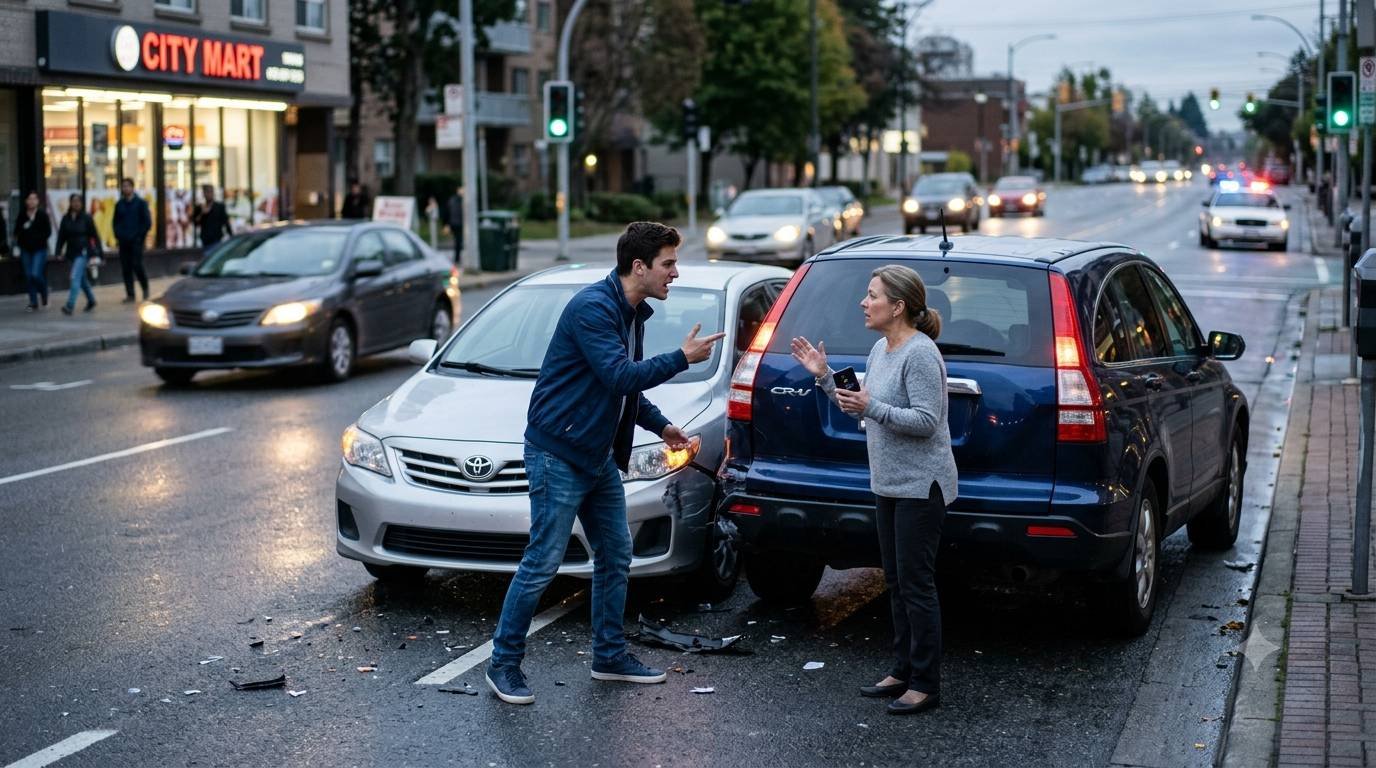
In the immediate aftermath of a car accident, emotions often run high, and confusion can cloud judgment. It’s easy to make decisions that can negatively impact your well-being and your ability to recover damages. Following the right steps quickly can help you stay safe, comply with legal obligations, and strengthen your insurance claim. For a more detailed supply of tips, you may also want to review Brian Boyer Injury Lawyer’s post accident checklist to ensure every critical detail is addressed and nothing is overlooked in the crucial moments after a crash. Being prepared with knowledge of common pitfalls can make a significant difference. Ignoring essential actions, skipping vital documentation, or making rushed statements could compromise your safety or your case. With a calm, methodical approach, you can avoid costly mistakes that many make in the first 24 hours following an accident. The advice below is designed to help you stay level-headed and proactive, no matter how minor or major the collision may seem. Not all injuries are immediately visible, and insurance issues may arise unexpectedly. Taking the right actions now can protect your future health and legal standing. From the correct way to gather information at the scene to what you should avoid saying after an accident, this comprehensive guide will walk you through best practices so you can make smart decisions under pressure. Following these steps may help you prevent financial loss and legal headaches down the line.
Failing to Ensure Immediate Safety
One of the most dangerous mistakes is neglecting to secure the accident scene. Before anything else, check yourself and your passengers for injuries. Move vehicles out of traffic if possible, turn on hazard lights, and use warning triangles or flares to alert oncoming drivers if you have them. Not taking these preliminary steps increases the risk of a secondary crash, which could result in further harm or liability.
Not Calling for Help
Even in minor collisions, it is critical to contact emergency services. Some states require a police report for crashes involving injuries or significant damage. Law enforcement can document the facts and provide an objective account of the incident, which is often invaluable in insurance disputes. Additionally, some injuries like concussions or internal bruising may not manifest immediately, so seeking medical attention right away is essential.
Skipping Documentation of the Scene
If it is safe to do so, take clear, comprehensive photos of the vehicles and your surroundings. Focus on vehicle damage, license plates, road markers, and other relevant factors, such as traffic signs and weather conditions. Detailed images and notes can be the most compelling evidence when negotiating with insurers or in court. Many individuals forget this step, resulting in disputes that are hard to resolve.
Forgetting to Exchange Essential Information
After checking for injuries and securing the scene, exchange the following information with all involved parties: full names, phone numbers, driver’s license numbers, insurance companies, and vehicle registration details. Also, try to obtain contact details from any witnesses. Incomplete or incorrect information can make insurance claims difficult and may delay compensation.
Admitting Fault or Assigning Blame
One of the most common mistakes is apologizing or saying anything that could be perceived as an admission of fault. Initial impressions can be misleading, and factors contributing to the accident may not be immediately apparent. Insurers and legal teams use early statements to determine liability, so it is best to stick to factual descriptions and leave official determinations to authorities and insurance professionals.
Failing to Notify Your Insurance Company Promptly
Reporting the crash to your insurer as soon as possible helps facilitate the claims process and keeps you in compliance with policy terms. Delayed reporting or withholding information can complicate your claim or render it invalid. Provide all facts and documentation gathered, but avoid conjecture or speculation about fault or injuries.
Ignoring Possible Injuries
Adrenaline can mask pain, and some injuries may take hours or days to develop. Ignoring early symptoms or failing to see a doctor could jeopardize your health and diminish the credibility of a later claim. Make sure all medical assessments and treatments are thoroughly documented so they can be included in your records.
Not Keeping Thorough Records
Many people toss aside bills, emails, or notes after the incident has been reported, only to regret it later during claims or litigation. It is best practice to maintain organized records of police reports, medical bills, repair estimates, and correspondence with insurers or attorneys. This documentation can be vital for resolving disputes and proving your losses.
Overlooking Your Legal Rights and Responsibilities
Laws surrounding car accidents vary by state, so it is important to educate yourself on your rights and duties following a collision. Incorrectly assuming fault, leaving the scene prematurely, or failing to complete required paperwork could expose you to unnecessary legal trouble. For detailed guidance on what to do state by state, consult resources such as DMV.org’s post-accident checklist.
Conclusion
Recovering from the shock of a car accident is never easy, but your decisions in the first 24 hours can make all the difference. Avoiding these common mistakes protects both your safety and your financial interests. By remaining calm, documenting the event, seeking appropriate care, and understanding your legal rights, you can ensure the best possible outcome in a stressful situation. Taking steps such as gathering witness information, preserving evidence, properly reporting the accident, and avoiding rushed decisions can help protect your future claim. It is also important to prioritize your physical recovery and seek guidance when needed. With careful action and informed choices, you can better manage the aftermath of an accident, reduce unnecessary complications, and move forward with greater confidence and peace of mind.