
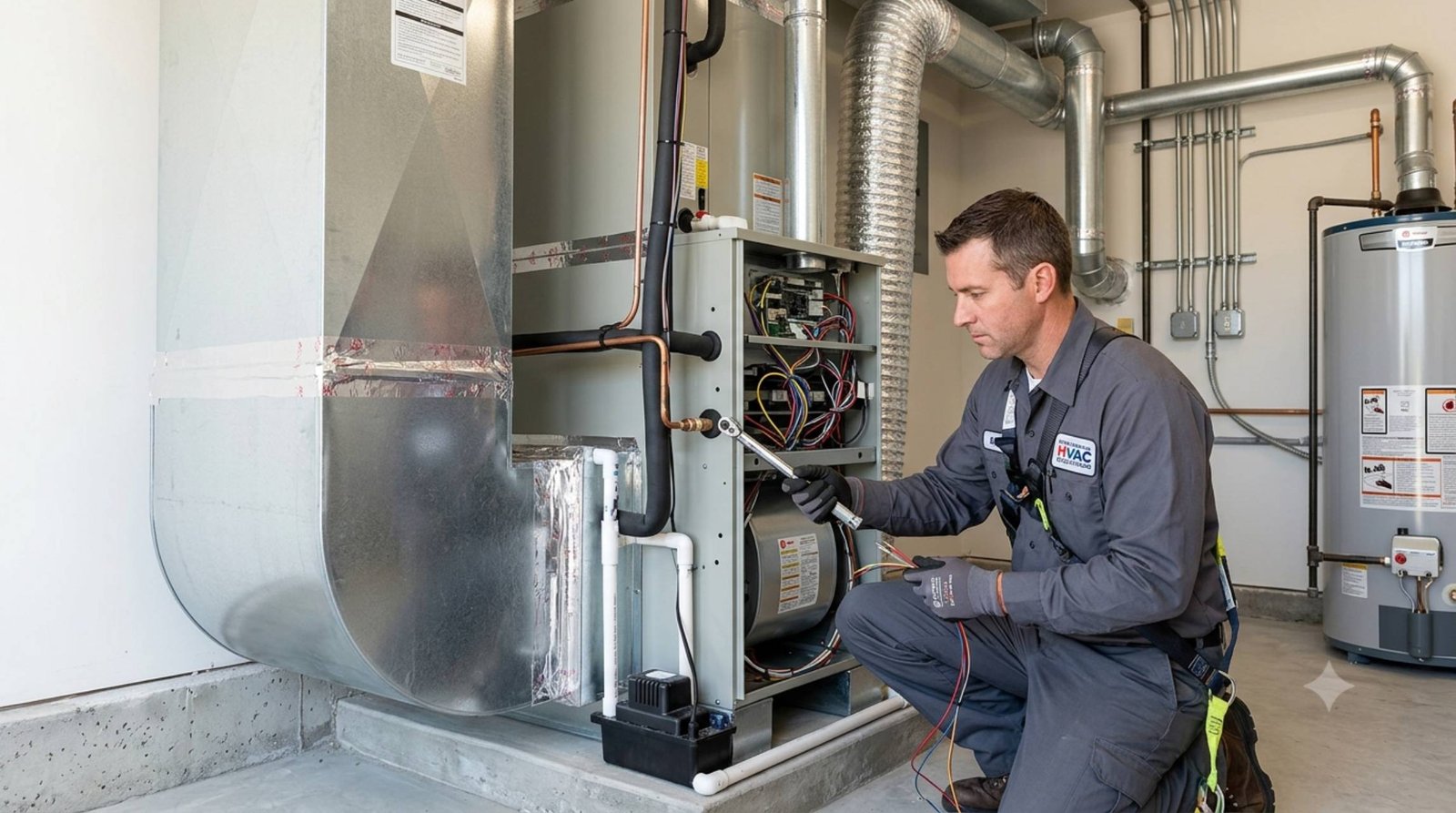
Key Indicators of a Reliable HVAC Installation
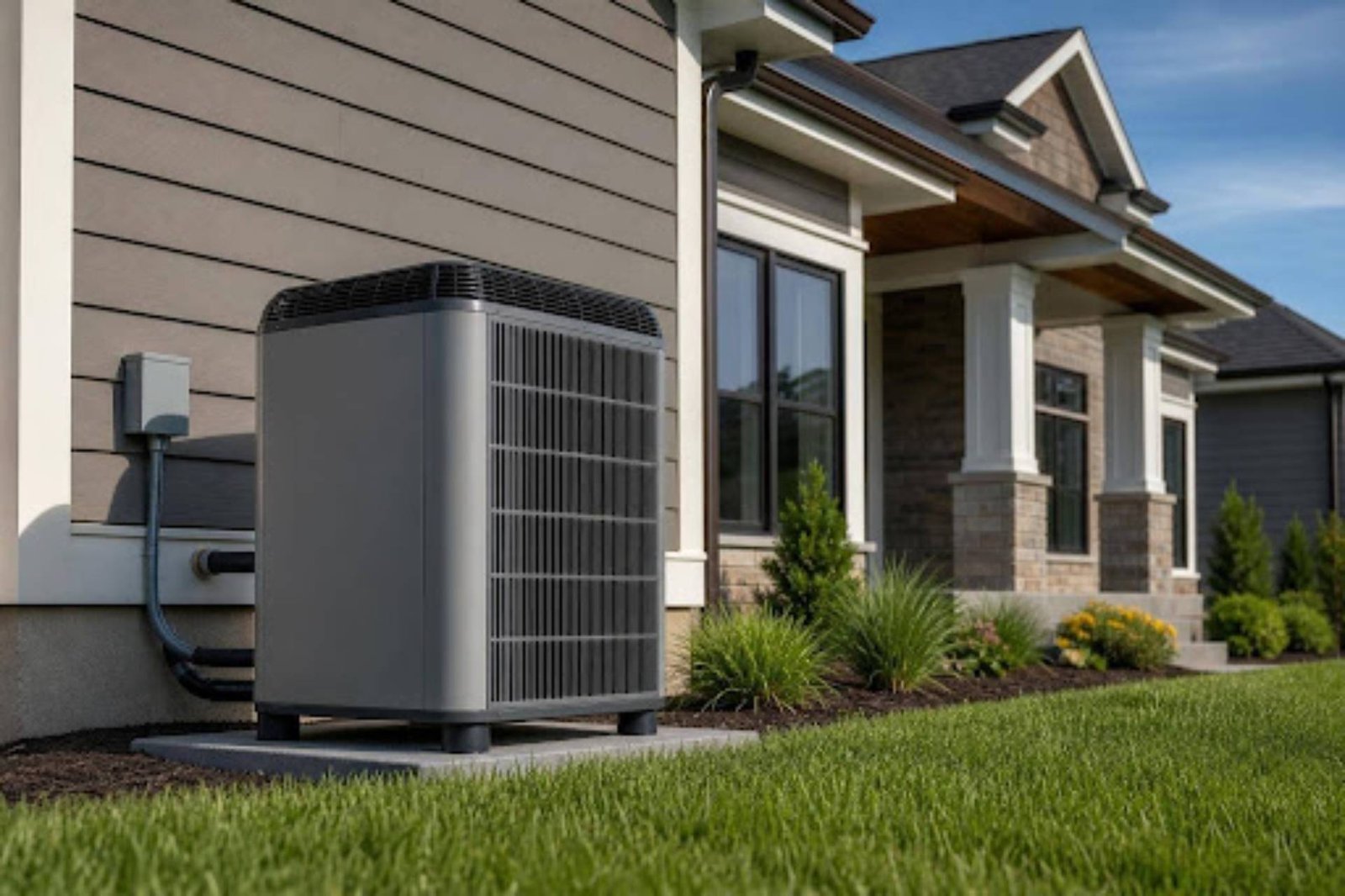
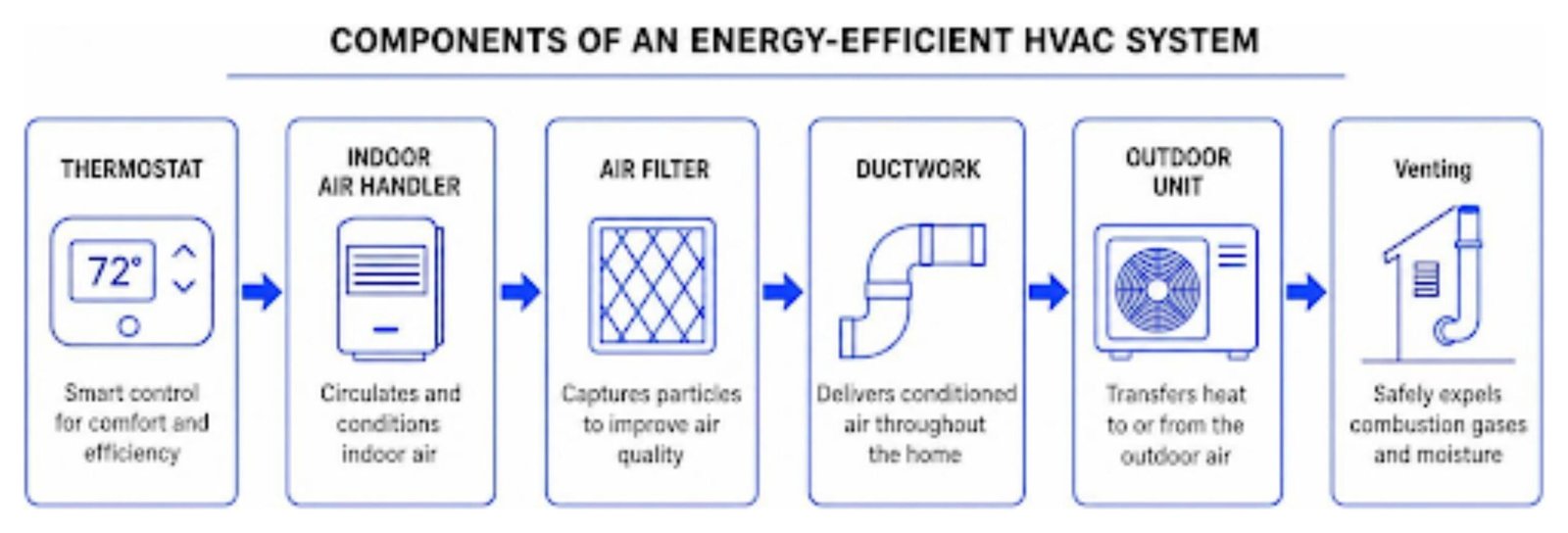 A reliable HVAC installation is the bedrock of home comfort and energy efficiency. It goes beyond simply putting equipment in place; it involves a meticulous process guided by professional standards. When we evaluate an installation, we look for several key indicators that signify quality and long-term performance.
Firstly, professional standards are paramount. This means technicians who are not only skilled but also adhere to industry best practices. Certifications like NATE (North American Technician Excellence) are strong indicators that a technician has demonstrated comprehensive knowledge in various HVAC specializations. These certifications ensure that the individuals working on your system have undergone rigorous testing and possess the expertise to handle complex installations and repairs.
Secondly, ensuring you work with licensed contractors is non-negotiable. Licensing guarantees that the company and its technicians meet specific state and local requirements, including insurance and adherence to safety regulations. This protects homeowners from shoddy workmanship and provides recourse should issues arise.
A critical step in any reliable installation is the load calculation. This isn’t a guesswork process; it involves a detailed assessment, often referred to as a Manual J calculation, to determine the precise heating and cooling needs of your home. Factors like square footage, insulation levels, window types, and local climate are all considered to ensure the system is neither oversized nor undersized.
Furthermore, a professional installation should always respect and preserve manufacturer warranties. Many equipment warranties can be voided if the installation is not performed by a certified professional or if specific guidelines are not followed. A reputable company will ensure all installation procedures comply with manufacturer specifications, safeguarding your investment.
Finally, obtaining local building permits is a crucial, often overlooked, aspect of a reliable installation. Permits ensure that the work performed meets local building codes and safety standards. Inspections by city or county officials verify that the installation is safe and compliant, providing an extra layer of assurance for homeowners. Ignoring permits can lead to significant problems down the line, including fines, difficulty selling your home, and potential safety hazards.
Why Proper Sizing is Essential for a Reliable HVAC Installation
Imagine buying a pair of shoes that are two sizes too big or too small – they wouldn’t be comfortable, right? The same principle applies to your HVAC system. Proper sizing is arguably one of the most critical factors determining the long-term success of your heating and cooling system. As mentioned, this process relies on a detailed Manual J calculation, which takes into account your home’s unique characteristics.
An oversized system might seem like a good idea, offering more power, but it actually leads to significant problems. It will “short-cycle,” meaning it turns on and off too frequently. This constant starting and stopping puts excessive wear and tear on components, shortening the system’s lifespan and increasing the likelihood of breakdowns. More importantly, an oversized system struggles with humidity control. It cools the air quickly but doesn’t run long enough to effectively remove moisture, leaving your home feeling clammy even at a comfortable temperature. This also translates to energy waste as the system repeatedly starts up, consuming a surge of power each time.
Conversely, an undersized system will constantly struggle to reach the desired temperature, running almost non-stop, especially during extreme weather. This leads to higher utility bills, inadequate comfort, and accelerated system wear and tear as components are pushed beyond their design limits. Neither scenario is ideal, which is why a precise load calculation performed by an experienced professional is indispensable for a truly reliable HVAC installation.
The Role of Ductwork in a Reliable HVAC Installation
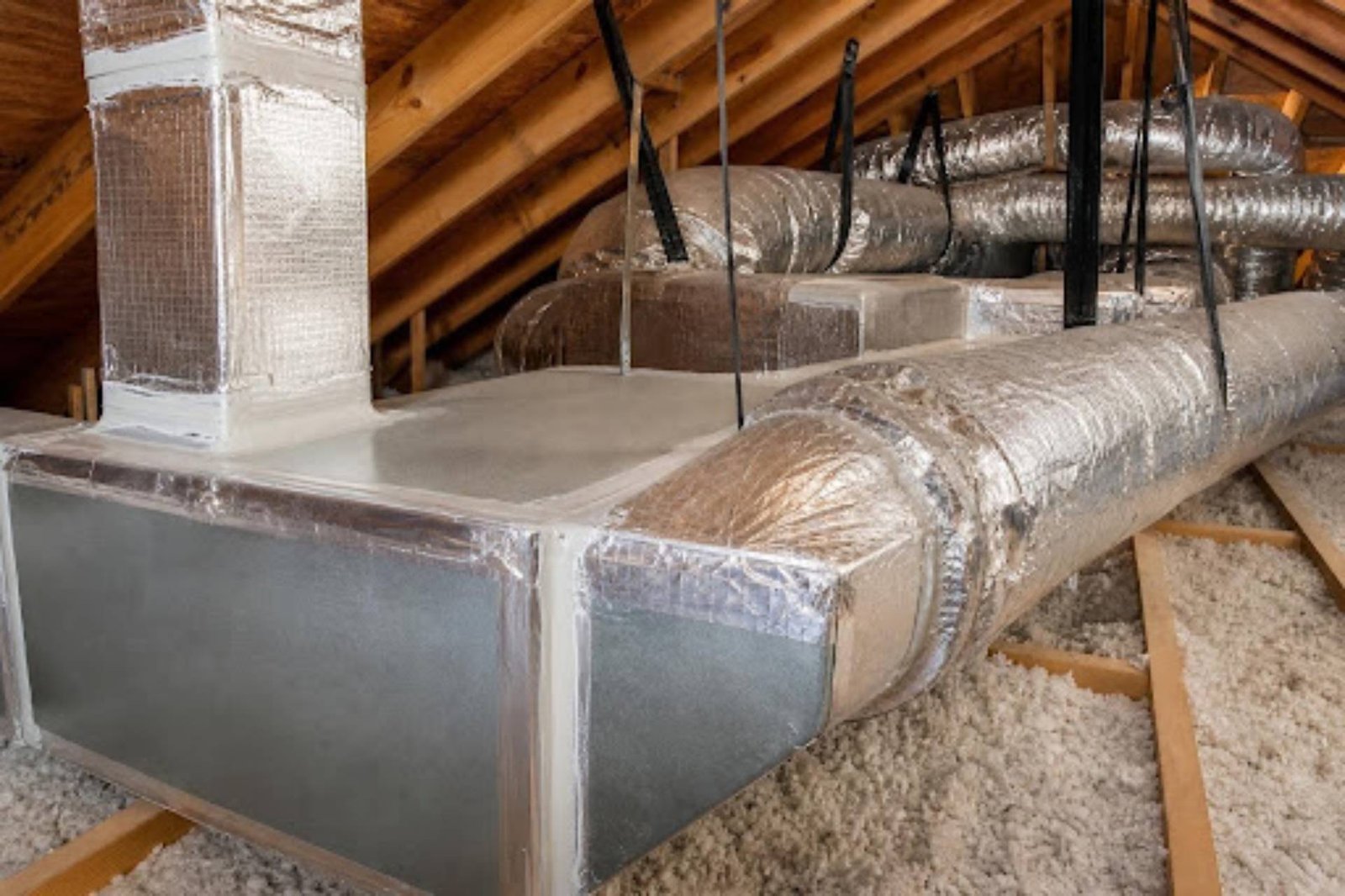
While the HVAC unit itself is the heart of your home’s comfort system, the ductwork acts as its circulatory system. Even the most efficient furnace or air conditioner will underperform if the ducts are not properly designed, installed, and sealed.
Duct sealing is a critical step that often gets overlooked. Leaky ducts can be a major source of energy loss. Air conditioning and heating account for nearly 50% of the energy used in a typical American home. If your ducts are leaking, a significant portion of that conditioned air could be escaping into unconditioned spaces like attics or crawl spaces. Properly sealed HVAC ducts can improve system efficiency by up to 20%, directly translating into lower utility bills and a more comfortable home.
Beyond sealing, airflow optimization ensures that conditioned air is distributed evenly throughout your home. This involves correct duct sizing, minimal bends, and proper insulation. Poor airflow can lead to hot and cold spots, forcing your system to work harder and less efficiently.
The quality of your ductwork also has a direct impact on indoor air quality. Leaky ducts can draw in dust, allergens, and other pollutants from unconditioned areas, circulating them throughout your living space. Properly sealed and clean ducts contribute to healthier indoor air. Investing in well-installed and maintained ductwork is an investment in both your comfort and long-term energy savings.
The Benefits of Choosing a Local HVAC and Fireplace Specialist
When it comes to something as vital as your home’s heating, cooling, and fireplace systems, the choice between a national chain and a local specialist can significantly impact your experience and the longevity of your equipment. We’ve found that local companies often offer distinct advantages that resonate with homeowners seeking quality and reliability.
One of the most compelling benefits is community accountability. Local businesses thrive on their reputation within the community. They are your neighbors, and their success is directly tied to the satisfaction of local customers. This fosters a stronger sense of responsibility and a commitment to delivering exceptional service. Unlike large national chains where customer service might feel impersonal, a local company is more likely to go the extra mile to ensure your happiness, knowing that word-of-mouth referrals are crucial to their business.
This local connection also translates into highly personalized service. Technicians from a local company are often familiar with the types of homes, common issues, and even specific building codes in your area. They can offer tailored solutions rather than a one-size-fits-all approach. When you need comprehensive HVAC solutions, including installation, maintenance, and repair, a local specialist can provide a continuity of service that builds trust and familiarity over time.
Choosing a local provider also means you’re actively contributing to local business support. Your investment stays within the community, helping to create jobs and stimulate the local economy. This strengthens the fabric of your town or city, fostering a sense of shared prosperity.
Finally, local companies often offer superior rapid response times, especially for emergency situations. Being geographically closer, they can dispatch technicians to your home much faster than a company operating from a distant regional hub. This can be a significant advantage during extreme weather conditions when a malfunctioning HVAC system can pose a serious comfort or safety risk.
Regional Climate Expertise in Northern California
The diverse climate of Northern California presents unique challenges and opportunities for home comfort systems. From the scorching summer heatwaves that can push temperatures well into the triple digits to the surprisingly chilly and damp winter months, a one-size-fits-all approach to HVAC simply won’t suffice. This is where the regional expertise of a local company becomes invaluable.
Local HVAC and fireplace specialists understand the specific demands placed on systems in areas like Northern California. They know that homes need robust cooling solutions for prolonged periods of heat and efficient heating options for those colder snaps. This understanding informs their recommendations, whether it’s suggesting the right SEER rating for an air conditioner or advising on the optimal type of furnace or heat pump.
For instance, the increasing popularity of heat pumps is particularly relevant in our region. In the first half of 2025, electric heat pumps outsold gas furnaces by 25%, reflecting a growing trend towards more energy-efficient and versatile systems. Local experts are well-versed in the latest heat pump technologies and can guide homeowners on how these systems can provide both efficient heating and cooling, perfectly suited for Northern California’s climate fluctuations.
They also have an intimate knowledge of local building codes and regulations, which can vary significantly even within a relatively small geographic area. This ensures that any installation or repair meets all necessary legal requirements, preventing future headaches and ensuring safety. Their expertise extends to recommending energy-efficient upgrades that are most effective for homes in this climate, helping homeowners reduce their carbon footprint and lower their utility bills. For fireplaces, understanding local air quality regulations and venting requirements is crucial, ensuring safe and compliant operation.
Safety and Compliance for Gas Fireplace Setup
The allure of a gas fireplace is undeniable – instant warmth, ambiance, and convenience. However, the installation of a gas fireplace is not a DIY project. It’s a complex task that demands professional expertise due to significant safety risks and stringent compliance requirements.
The primary concern is carbon monoxide prevention. Improper gas line connections or inadequate ventilation can lead to dangerous gas leaks and the silent, odorless threat of carbon monoxide poisoning. Professional installers have the specialized tools and knowledge to ensure all connections are secure and leak-free. They perform thorough safety checks and testing after installation to verify everything is operating correctly.
Gas line connections must be handled by licensed professionals to comply with local codes and prevent leaks. This involves understanding gas pressure, pipe sizing, and proper sealing techniques. Any error in this process can have catastrophic consequences.
Furthermore, proper ventilation setup is critical. Many modern gas fireplaces utilize direct vent systems, which draw combustion air from outside and exhaust fumes directly outdoors, completely sealed from the living space. This design significantly enhances safety, but it requires precise installation to ensure proper airflow and prevent back-drafting. Professional installers are experts in determining the correct venting system for your home and ensuring it adheres to all safety standards.
Building code violations are a real risk with DIY installations, potentially leading to fines, voided home insurance, and even the need for costly reinstallation. A professional company ensures that every aspect of the fireplace installation, from the gas line to the chimney or vent system, meets or exceeds all local and national safety codes.
Here’s a comparison to highlight the critical differences:
Feature Professional Installation DIY Installation Safety Expert handling of gas lines, thorough leak detection, CO prevention. High risk of gas leaks, carbon monoxide poisoning, fire hazards. Efficiency Optimized venting, proper sizing for peak performance. Suboptimal performance, higher energy consumption. Code Compliance Adherence to all local building codes and regulations. High risk of code violations, potential fines, voided insurance. Warranty Preserves manufacturer warranty, often includes labor warranty. Voids manufacturer warranty, no recourse for defects. Specialized Tools Access to professional-grade equipment for precise work. May lack necessary tools, leading to improper installation. Long-term Reliability System designed for durability and consistent performance. Increased risk of breakdowns, frequent repairs, shorter lifespan. Peace of Mind Confidence in a safe, efficient, and compliant system. Constant worry about safety and potential issues. What to Expect from a Full-Service Home Comfort Provider
Choosing a full-service local HVAC and fireplace company means partnering with a provider that can handle all your home comfort needs, not just a single installation. This comprehensive approach ensures continuity, convenience, and long-term reliability.
A cornerstone of their offering should be preventative maintenance. Regular tune-ups for your HVAC system and annual inspections for your fireplace are crucial for extending equipment lifespan, maintaining efficiency, and catching minor issues before they become costly breakdowns. These services often include cleaning, lubrication, and calibration, ensuring your systems run smoothly year-round.
When unexpected problems arise, you’ll appreciate a company that offers emergency repairs. A full-service provider understands that HVAC and fireplace issues don’t adhere to a 9-to-5 schedule. They typically offer prompt, reliable service to restore your comfort and safety, often with dedicated technicians available outside regular business hours.
Beyond the main units, these companies also specialize in thermostat installation. With the advent of smart thermostats, proper installation and programming are essential to maximize energy savings and comfort. They can guide you through the options and ensure your new thermostat integrates seamlessly with your existing system.
Indoor air quality solutions are another key offering. As awareness of indoor air pollution grows, full-service providers can assess your home’s air quality and recommend solutions such as air purifiers, humidifiers, dehumidifiers, or UV lights. These additions can significantly improve the health and comfort of your living environment.
Navigating the complexities of utility rebates and permit acquisition can be daunting for homeowners. A reputable local company will often assist with or even handle these processes for you. They are familiar with local utility programs and government incentives for energy-efficient upgrades, helping you save money. They also manage the necessary permits for new installations, ensuring all work is compliant with local regulations. This holistic approach simplifies home comfort management, allowing you to enjoy your home without the stress of coordinating multiple contractors or navigating bureaucratic hurdles.
Frequently Asked Questions About Home Heating and Cooling
How do I know if my HVAC system was installed correctly?
After a new HVAC installation, it’s natural to wonder if everything was done right. We recommend looking for several key indicators. First, check for consistent and robust airflow testing from all vents. You should feel a steady, even stream of air. Second, pay attention to quiet operation; while some noise is normal, excessive rattling, grinding, or loud cycling can indicate an issue. Third, your home should maintain even temperatures throughout all rooms, without significant hot or cold spots. If certain areas are consistently uncomfortable, it might suggest improper sizing or ductwork issues. Finally, always confirm that all necessary permit inspections have been completed and approved by local authorities. A reputable installer will provide documentation of these approvals. If you notice any of these red flags, don’t hesitate to contact your installer for an assessment.
Why should I avoid DIY gas fireplace installation?
We strongly advise against attempting a DIY gas fireplace installation. The risks involved are simply too high. The most critical danger is the potential for gas leak hazards, which can lead to explosions or fires. Incorrectly connected gas lines are incredibly dangerous. Closely related are the carbon monoxide risks. Carbon monoxide is an odorless, colorless gas produced by incomplete combustion, and improper ventilation can cause it to build up to lethal levels in your home. Professional installers have the expertise and specialized equipment to ensure safe gas connections and proper venting. Furthermore, a DIY installation will almost certainly void manufacturer warranties on your fireplace unit, leaving you without coverage for defects or failures. Lastly, you risk serious code violations, which can result in fines, the need for costly reinstallation by a professional, and even difficulties when trying to sell your home. For safety and peace of mind, this is a job best left to certified experts.
What are the benefits of upgrading to an electric heat pump in 2026?
Upgrading to an electric heat pump in 2026 offers a multitude of benefits, particularly given the advancements in technology and growing emphasis on energy efficiency. Heat pumps are incredibly energy efficient because they don’t generate heat; instead, they transfer it. This means they can provide up to three times more heat energy to a home than the electrical energy they consume. They offer dual heating and cooling capabilities, serving as both your furnace in winter and your air conditioner in summer, simplifying your home comfort system. From an environmental impact perspective, heat pumps significantly reduce your carbon footprint compared to traditional fossil fuel furnaces, especially when paired with renewable electricity sources. This aligns with broader sustainability goals. Finally, their efficiency often translates directly to lower utility bills, providing long-term savings for homeowners. With the U.S. HVAC services market projected to grow significantly, reaching an estimated USD 38.8 billion by 2030, and the increasing adoption of heat pumps, now is an excellent time to consider this smart upgrade.
Conclusion
Ensuring a reliable HVAC and fireplace installation is paramount for your home’s long-term comfort, safety, and energy efficiency. By understanding the key indicators of quality work, from proper sizing and sealed ductwork to NATE-certified technicians and adherence to local codes, you empower yourself to make informed decisions. The choice to partner with a local HVAC and fireplace specialist brings unparalleled advantages, including regional climate expertise, personalized service, and a deep commitment to community accountability. This local approach not only supports local businesses but also ensures rapid response times and fosters a relationship built on trust.
The expertise required for safe gas fireplace installation and efficient HVAC operation underscores the importance of professional installation over a risky DIY approach. A full-service provider will offer everything from preventative maintenance and emergency repairs to assistance with permits and rebates, simplifying your home comfort management. Investing in professional expertise from a reputable local company provides not just efficient heating and cooling, but also invaluable peace of mind and the satisfaction of supporting your local community.