Table of Contents
- Start With the Space You Have
- Compare the Main Bathtub Types
- Match the Tub to Your Routine
- Review Bathtub Materials
- Check Plumbing, Flooring, and Water Capacity
- Plan for Safety and Accessibility
- Consider Cleaning and Maintenance
- Set a Practical Budget
- Avoid Common Buying Mistakes
- Use a Final Selection Checklist
Choosing a bathtub is about more than finding a shape or color you like. The best option should fit the room, work with your daily routine, and remain comfortable and practical for years. Whether you are planning a full renovation or exploring a bathtub remodel Spokane homeowners can use this guide to make a more informed decision before ordering materials.
A thoughtful choice can also help prevent unexpected installation costs. Start with the bathroom’s dimensions and plumbing layout, then compare comfort, safety, cleaning needs, and future household needs. A tub that looks impressive in a showroom may not be the right fit for a busy family bathroom or a compact space.
Start With the Space You Have
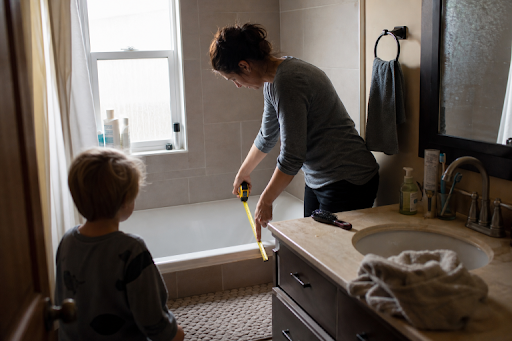
Measure before comparing styles. Record the available length, width, and height, along with the drain position, faucet wall, door swing, nearby fixtures, and walking clearance. Keeping a new tub in the existing footprint can often reduce plumbing changes and construction work.
A Simple Measuring Process
- Measure the existing tub or the open installation area.
- Note whether the drain is on the left, right, or center.
- Check clearance around toilets, vanities, doors, and shower doors.
- Measure hallways, stairways, and entry doors to confirm the tub can enter the home.
Compare the Main Bathtub Types
Each tub style solves a different layout or lifestyle need. Consider how the tub will be installed and used, not just how it will look.
- Alcove tubs: Designed for three-wall openings, these are practical for tub-shower combinations and smaller bathrooms.
- Freestanding tubs: These create a focal point but need open floor space, floor-mounted or wall-mounted fixtures, and cleaning access around the tub.
- Drop-in tubs: Installed inside a finished deck or surround, they can provide ledges for toiletries, but add surfaces and seams to maintain.
- Corner tubs: Useful for certain layouts, though they can occupy more floor area than their placement suggests.
- Walk-in tubs: Built around easier entry and seated bathing, they may suit people who have difficulty stepping over a conventional tub wall.
Match the Tub to Your Routine
Think honestly about how the bathroom is used. A household that mostly takes quick showers may benefit from a durable alcove tub with a shower surround. A dedicated bather may value interior depth, a supportive back angle, and enough length to sit comfortably without feeling cramped.
For example, a family with young children may choose an easy-entry tub-shower combination rather than a large decorative soaking tub. It provides flexible bathing, simpler cleaning, and a more useful setup for several people sharing one bathroom.
Review Bathtub Materials
Material affects weight, warmth, durability, repair options, and everyday care. Compare the surface feel and long-term upkeep as carefully as the initial price.
- Acrylic: Lightweight, smooth, and available in many sizes and shapes. It is a common choice for both alcove and freestanding tubs.
- Fiberglass: Often economical and lightweight, although it may be more vulnerable to scratching or flexing over time.
- Porcelain-enamel steel: Firm and easy to clean, but chips should be repaired promptly to protect the surface beneath.
- Cast iron: Extremely durable and good at retaining heat, but heavy enough to require careful floor planning.
- Solid-surface materials: Typically offer a substantial feel and clean lines, with broad design flexibility.
Check Plumbing, Flooring, and Water Capacity
A tub can fit physically and still create installation challenges. Drain direction and faucet placement affect labor, especially when relocating plumbing. Heavy tubs, including cast iron and some solid-surface models, may require a professional review of the floor structure, particularly in older homes or second-floor bathrooms.
Also consider water capacity. A deep soaking tub can require considerably more hot water than a standard model. Confirm that the water heater can fill the tub comfortably and that the tub will have proper support and dependable drainage underneath.
Plan for Safety and Accessibility
Safety features should be part of the original plan. Look for slip-resistant surfaces, easy-reach controls, handheld showerheads, secure grab bars, lower entry heights, and built-in seating where appropriate. Grab bars should be anchored into suitable wall framing or installed with an approved support system, not attached only to a decorative wall surface.
Bathrooms with young children require especially close attention. The risk of drowning in small amounts of water means every bath should involve close, constant adult supervision. Bath seats, non-slip mats, and other accessories can be helpful, but they never replace supervision.
Consider Cleaning and Maintenance
Choose a design you can realistically maintain. Smooth, continuous surfaces have fewer places for soap residue and mildew to collect than tile surrounds with many grout lines. Built-in shelves are convenient, but they also create ledges that need regular wiping.
Weekly Care Checklist
- Rinse the tub after use.
- Wipe standing water from ledges and fixtures.
- Remove hair from the drain cover.
- Inspect caulk and seals for gaps or discoloration.
- Address leaks and loose hardware early.
Set a Practical Budget
Separate the tub price from the full project cost. Include plumbing, fixtures, wall finishes, flooring repairs, permits, disposal, delivery, and labor. Request written estimates that identify materials and labor separately, and keep a reserve for hidden moisture damage, outdated plumbing, or subfloor repairs discovered after demolition.
Avoid Common Bathtub Buying Mistakes
- Choosing a tub before measuring the room and access path.
- Ignoring the drain location and fixture placement.
- Buying a heavy tub without confirming the floor support.
- Selecting a deep model without checking the hot-water capacity.
- Prioritizing appearance over entry height, comfort, and cleaning needs.
- Using abrasive cleaners can damage the finish.
Use a Final Selection Checklist
- Does the tub fit the available length, width, and height?
- Does its drain align with the existing plumbing?
- Can the floor support it when filled with water?
- Is the entry height suitable for everyone who will use it?
- Will the surface and surroundings be manageable to clean?
- Can the tub pass through every doorway, hall, and stairway?
- Are the warranty and care instructions clear?
- Will the design still support changing household needs?
The right bathtub fits the room, supports everyday routines, and remains safe and easy to maintain. By checking measurements, installation limits, comfort, and long-term needs before buying, you can create a bathroom that feels useful and comfortable for years to come.