A roofing project is one of the more significant improvements a homeowner may undertake. Whether the goal is to repair storm damage, address a persistent leak, maintain an aging roof, or install a completely new system, the quality of the work can have a lasting effect on the property.
Choosing the right professional requires more than comparing prices. Homeowners should consider experience, materials, workmanship, communication, insurance, warranties, and the contractor’s ability to identify problems before they become more serious.
Start by Identifying the Roofing Problem
Before contacting contractors, it helps to understand what prompted the project. A visible leak, missing shingles, storm damage, or an aging roof may each require a different approach.
For example, a small area of damage may only require a localized repair, while widespread deterioration could indicate that replacement is necessary. Some problems may also originate beneath the visible roofing materials.
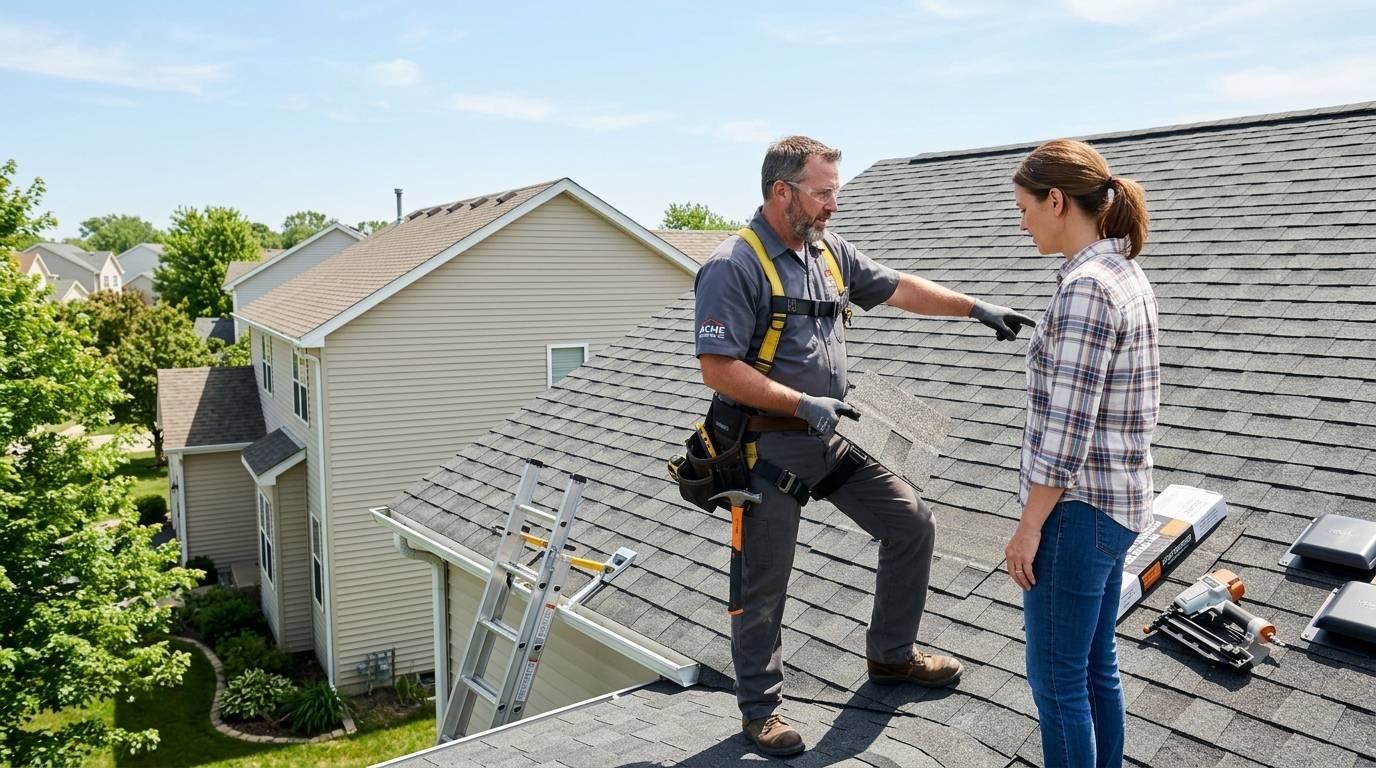
A professional inspection can provide more information about the condition of the roof and help determine the appropriate scope of work. Homeowners should avoid assuming that the most visible problem is necessarily the only issue.
Research Experience and Services
Once the general scope is understood, homeowners can begin researching local roofing professionals. Experience is particularly important because roofing systems can differ considerably in materials, design, installation requirements, and maintenance needs.
Look for professionals who regularly handle projects similar to yours. If your home has a steep roof, multiple levels, skylights, unusual architectural features, or a specific roofing material, ask whether the contractor has experience with those characteristics.
It is also useful to review the range of services offered. A contractor who provides inspections, repairs, maintenance, and replacement may be able to evaluate the roof more comprehensively than someone focused on only one type of work.
Verify Licensing and Insurance
Roofing work involves significant safety considerations. Before hiring a contractor, homeowners should ask about applicable licensing requirements and verify that the company carries appropriate insurance.
Insurance can help protect homeowners from certain liabilities associated with accidents or property damage during a project.
Requirements vary by location, so homeowners should understand what documentation is expected in their area. A professional contractor should be comfortable answering questions about credentials rather than avoiding them.
Look Beyond Online Reviews
Online reviews can be helpful when researching contractors, but they should be considered as part of a larger evaluation.
Look for patterns in customer feedback rather than focusing on one unusually positive or negative review. Comments about communication, punctuality, workmanship, cleanup, and responsiveness can provide useful insight into how a company approaches its projects.
Homeowners may also ask contractors for references or examples of comparable work when appropriate.
The goal is not simply to find a company with the most reviews, but to understand whether its experience and working style fit the project.
Ask About Roofing Materials
A professional should be able to explain the roofing materials being recommended and why they are appropriate for the property.
Asphalt shingles, metal, tile, slate, and other roofing systems have different characteristics. They can vary in durability, maintenance requirements, appearance, installation methods, and cost.
Homeowners should ask about the expected service life of the selected material and any maintenance considerations. Understanding these factors makes it easier to evaluate the long-term value of the project.
A contractor should also be willing to explain alternatives rather than presenting a single option without context.
Request Detailed Written Estimates
Getting a written estimate is an important part of the hiring process. A detailed estimate can explain what work will be completed and which materials will be used.
Depending on the project, it may include:
- Removal of existing roofing
- New roofing materials
- Underlayment
- Flashing
- Ventilation components
- Labor
- Disposal
- Decking repairs
- Cleanup
Comparing detailed estimates can help homeowners identify differences between proposals. A lower price may not represent a lower overall cost if important work or materials have been excluded.
Pay Attention to Communication
Communication is often overlooked when homeowners compare contractors, but it can have a major impact on the experience.
During the initial consultation, consider how clearly the professional explains the condition of the roof and proposed work. Are questions answered directly? Are project expectations explained? Is there a clear way to communicate during the project?
Homeowners researching how to find a reliable roofing contractor for residential roof repair and replacement should consider communication alongside technical experience and pricing. Clear communication can help prevent misunderstandings about scheduling, materials, costs, and unexpected conditions.
Understand the Contract
Before signing an agreement, homeowners should carefully review the contract. It should clearly explain the scope of work, materials, payment schedule, warranties, and other important terms.
If the project may involve unexpected repairs after the existing roof is removed, ask how additional work will be handled. For example, damaged decking may not be visible until old materials have been removed.
Understanding how change orders and additional costs are addressed can help homeowners avoid unpleasant surprises.
Ask About Warranties
Roofing warranties can cover different parts of a project. A manufacturer’s warranty may apply to the roofing materials, while a workmanship warranty may come from the contractor.
These warranties are not necessarily interchangeable, so homeowners should ask what each one covers and how long the coverage lasts.
It is also important to understand whether there are maintenance requirements or other conditions that could affect warranty coverage.
Keeping warranty documents, invoices, inspection reports, and other project records can be helpful for future reference.
Consider Local Weather Conditions
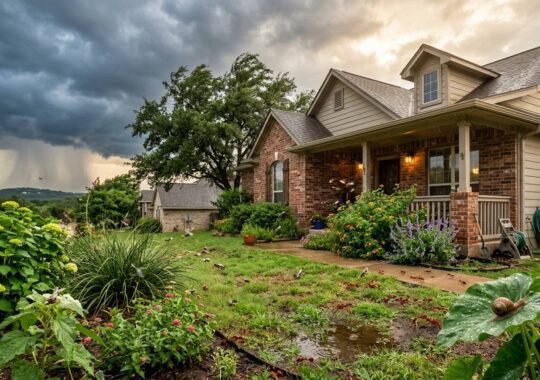
The local climate can influence roofing decisions. Rain, wind, humidity, temperature changes, and severe storms can all affect roofing materials over time.
A knowledgeable roofing contractor should understand the environmental conditions that commonly affect homes in the area and be able to discuss appropriate materials and installation practices.
Homeowners should also ask how the proposed system will handle drainage, ventilation, flashing, and other components that contribute to long-term performance.
Don’t Automatically Choose the Lowest Bid
Budget is an important part of any home improvement project, but price should not be the only deciding factor.
Two estimates that look similar at first may differ substantially in terms of materials, preparation, warranties, labor, or included services.
Instead of simply selecting the lowest number, homeowners should compare the overall scope and value of each proposal. Understanding what is included can provide a much more meaningful comparison.
Plan for Future Maintenance
A successful roofing project does not end when installation is complete. Routine maintenance can help preserve the roof and identify potential problems early.
Homeowners should monitor gutters, flashing, visible roofing materials, and areas around vents and other penetrations. After significant storms, a professional inspection may also be appropriate.
Keeping records of maintenance and repairs can help homeowners track the roof’s condition and plan for future needs.
Make a Thoughtful Roofing Decision
Choosing a roofing professional is an important part of protecting a home. Experience, credentials, insurance, materials, communication, estimates, warranties, and long-term maintenance should all be considered before work begins.
A good roofing project starts with understanding the property’s actual needs rather than assuming that every problem requires the same solution. By asking detailed questions and comparing complete proposals, homeowners can approach the process with a clearer understanding of what they are investing in.
Whether the project involves a small repair or a complete replacement, careful research can help homeowners find a qualified professional and establish realistic expectations from the beginning.
This keeps roofing contractor prominent while using the long-tail variation naturally and maintaining an informational, link-building-friendly tone.