
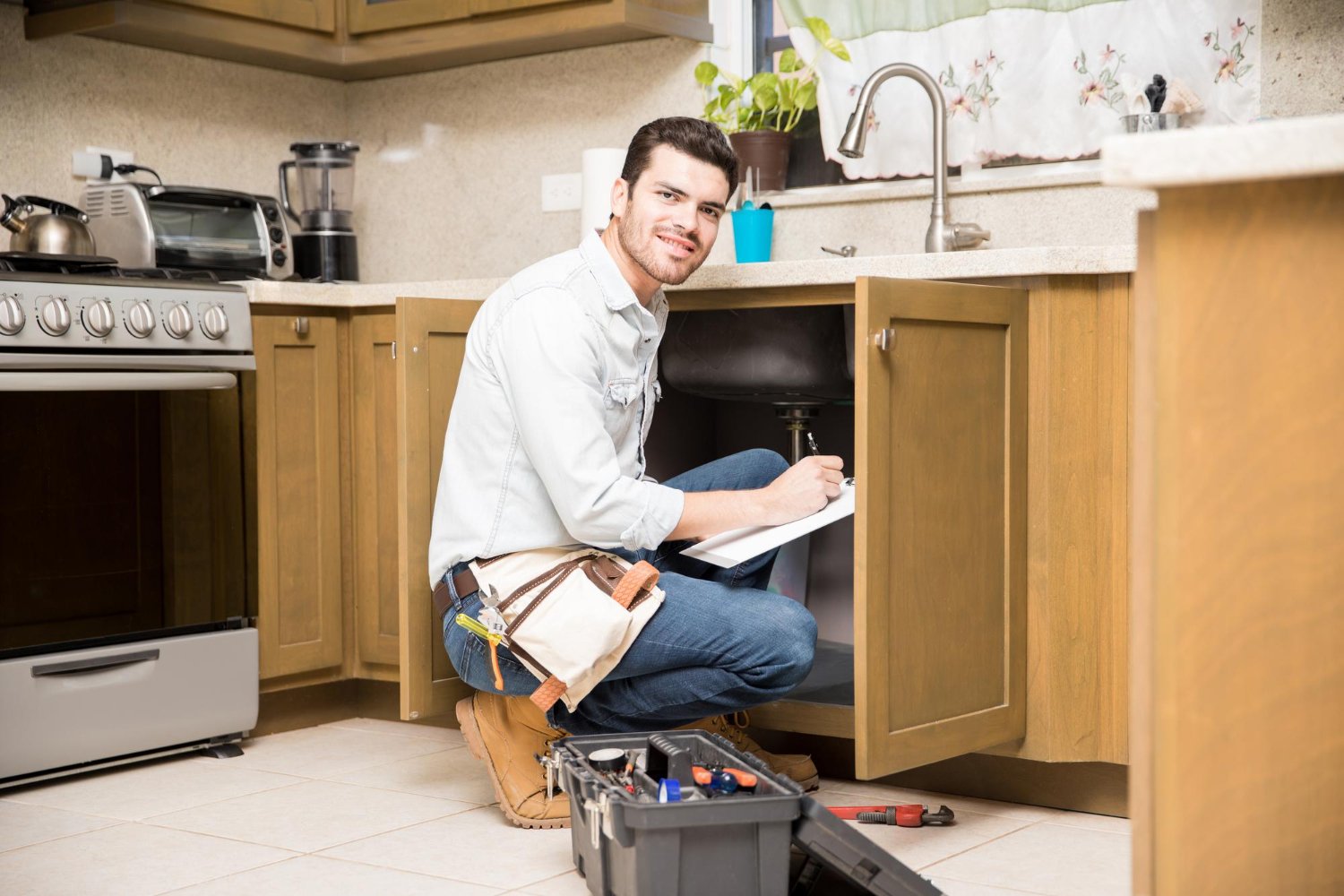
Most homeowners plan a renovation around what they can see: new cabinets, updated tile, better lighting, a more open layout. The plumbing hidden behind the walls rarely makes the mood board. Yet a remodel is often the most practical moment to deal with aging pipes, because the walls are already open and the house is already in project mode. If your home is a few decades old, it is worth asking a simple question before the new finishes go in: will the pipes behind them last as long as the upgrades?
Signs Your Plumbing May Be Due for Replacement
Not every renovation calls for new plumbing. Your supply lines may be in good shape. But certain symptoms suggest the system is wearing out, and they are worth taking seriously before you invest in new walls and floors.
- You have had more than one leak repair in the past few years, especially in different parts of the house.
- Water pressure drops noticeably when two fixtures run at the same time.
- Water comes out rusty or discolored, particularly first thing in the morning.
- You can see corrosion, green staining, or mineral buildup on exposed pipes and fittings.
- Your home still has galvanized steel or polybutylene supply lines.
Why Renovation Timing Makes Sense
Replacing pipes always involves some access to walls and ceilings. When that work happens on its own, you deal with the disruption, the patching, and the painting as a separate project. When it happens during a remodel, much of that effort overlaps with work you were already planning.
There are a few clear advantages. You live through one period of disruption instead of two. Drywall, texture, and paint are finished once, after all the rough-in work is done. Your contractor and plumber can coordinate the layout so new fixtures land exactly where they should. And you avoid the frustrating scenario of opening a freshly finished wall a year or two later to fix a leak in an old pipe.
Plumbing Upgrades Worth Considering During a Remodel
Beyond the supply lines themselves, a renovation is a good time to think about the rest of your water system:
- Individual shutoff valves at each fixture, so a future repair does not require shutting off water to the whole house.
- A water heater upgrade or relocation, including the option of a tankless unit if your space and usage make sense for one.
- Whole-home water filtration or a water softener, which can help protect new fixtures and appliances from mineral buildup.
- Updated rough-ins for any new sinks, showers, or appliances in the redesigned layout.
Choosing the Right Pipe Material
Most full home repipes today use either PEX or copper. PEX is a flexible plastic tubing that bends around corners, requires fewer fittings, and does not corrode. Many plumbers favor expansion-style PEX-A for whole-house work because of its durability and its ability to handle freezing conditions better than rigid pipe. Copper remains a proven material with a long track record, though it generally costs more to install and can develop pinhole leaks over time depending on water chemistry.
The best choice depends on your home, your water, and your budget, and a good plumber should explain the tradeoffs clearly.
How to Coordinate Your Plumber and Your Contractor
Good sequencing keeps a renovation on schedule. A simple order of operations looks like this:
- Have the plumbing evaluated early, before the design and budget are locked in.
- Decide on the scope: targeted repairs, a partial replacement, or a full repipe.
- Schedule the plumbing rough-in after demolition and before insulation and drywall.
- Make sure permits are pulled and the plumbing passes inspection before the walls are closed.
- Let finish work begin only after the new system has been pressure tested.
Working with a plumbing company that focuses on repiping can simplify this process. For homeowners in the Houston area, Repipe Solutions Inc can assess the existing supply lines and recommend whether a full replacement makes sense before new finishes go in. Specialists who do this work every day tend to understand how to route new lines efficiently and keep wall openings to a minimum.
Budgeting for Plumbing in Your Renovation
Plumbing costs vary based on home size, the number of bathrooms and stories, and how much wall access is required. Ask for a written, itemized quote and check whether it includes permits, inspection, and drywall repair, since quotes that leave out patching can look cheaper at first and cost more in the end. It also helps to set aside a contingency for surprises found once the walls are open.
Final Thoughts
A renovation is a chance to make your home better for years to come, and that should include the systems you cannot see. If your pipes are showing their age, replacing them while the walls are already open can save time, reduce disruption, and protect your investment in new finishes. Start the conversation with a plumbing professional early, get a clear scope and written quote, and build the work into your project plan from the beginning.