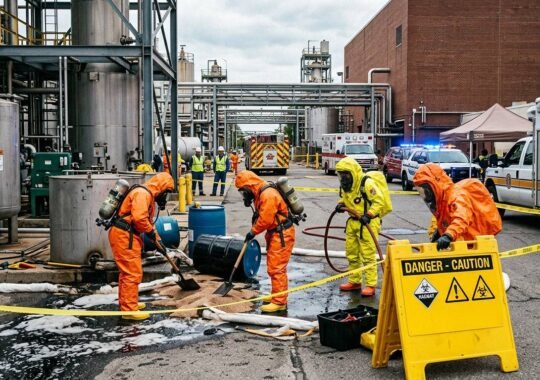
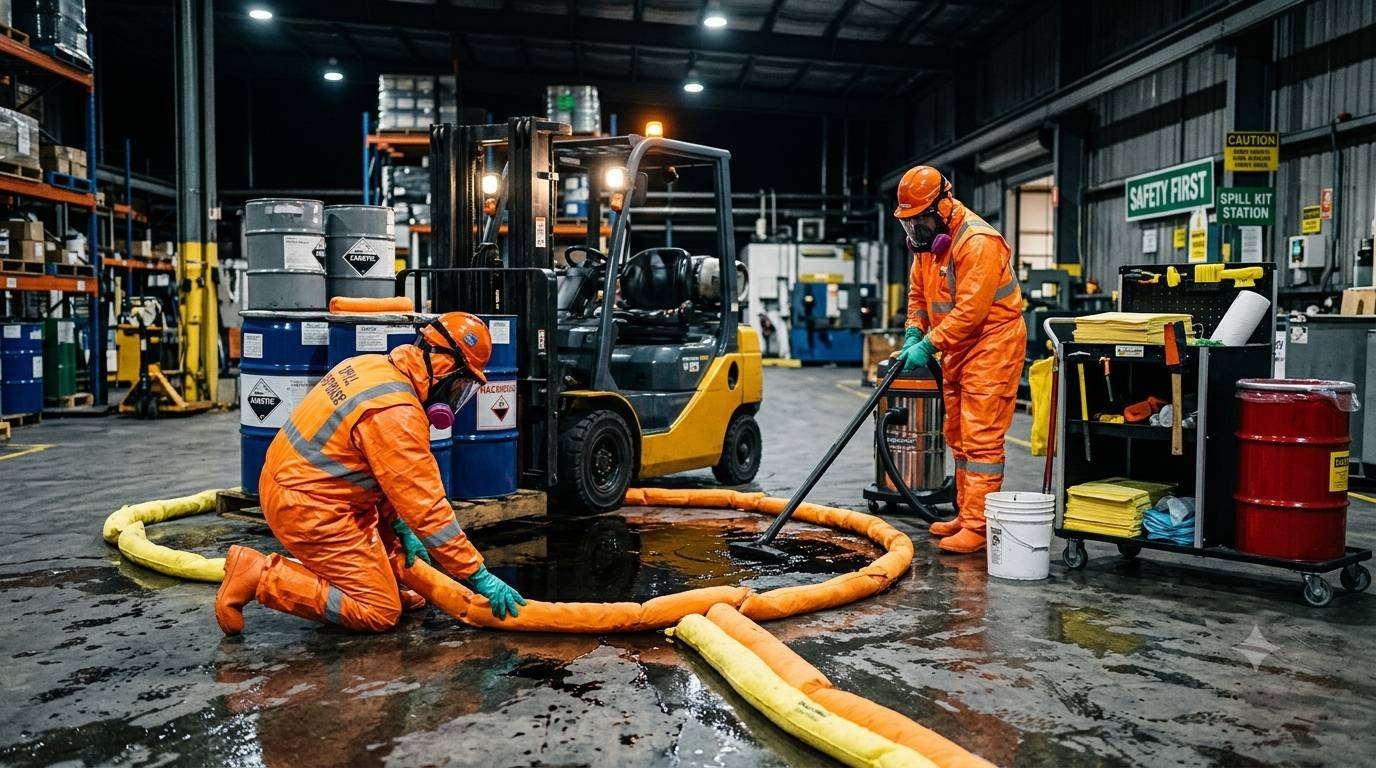
Unexpected spills can create serious challenges for businesses. Whether the incident involves water, chemicals, fuel, industrial materials, or another substance, a spill can affect employees, customers, equipment, inventory, and the building itself. Responding quickly and appropriately is important not only for limiting property damage but also for maintaining a safe working environment.
Commercial properties also tend to be larger and more complex than residential spaces. A spill may spread across warehouses, offices, loading areas, production floors, or storage spaces before it is discovered. Having a clear response plan can help businesses manage these situations more effectively.
Why Commercial Spills Require Prompt Attention
A spill that initially appears minor can become more difficult to manage if it is left unattended. Liquids can migrate through flooring, seep into porous materials, or reach electrical and mechanical equipment.
Some substances can also create slip hazards, unpleasant odors, contamination concerns, or other safety risks. The potential impact depends heavily on the type of material involved and the environment in which the spill occurred.
Prompt action gives businesses a better opportunity to contain the affected area and reduce unnecessary damage.
Identify the Type of Spill
Not every spill should be handled in the same way. Water, petroleum products, chemicals, sewage, and other substances may require very different response procedures.
Employees should avoid making assumptions about an unknown substance. If the material could be hazardous, the area should be isolated and appropriate safety procedures should be followed.
Identifying the substance, when it can be done safely, helps determine what type of response is appropriate and whether specialized equipment or trained professionals are needed.
Protect Employees and Visitors
The safety of people inside the property should be the first consideration during a spill. Employees and customers should be kept away from affected areas when there is a risk of slipping, exposure, fumes, contamination, or other hazards.
Warning signs, barriers, or temporary closures may be necessary depending on the situation.
Businesses should also ensure employees understand who is responsible for initiating the emergency response and who should be contacted when an incident occurs.
Contain the Spill When Safe
Containing a spill can help prevent it from spreading to unaffected areas. However, employees should only attempt basic containment when they have been trained to do so and the material is known to be safe to handle.
Depending on the type of spill, containment may involve absorbent materials, barriers, or other appropriate methods.
If the substance is unknown, hazardous, or beyond the capabilities of on-site staff, professional assistance may be necessary rather than attempting cleanup without proper equipment or training.
Protect Sensitive Equipment
Commercial facilities often contain expensive equipment, electrical systems, computers, machinery, inventory, and other assets that can be damaged by liquids or contamination.
When safe to do so, businesses should identify equipment that may be at risk and prevent the spill from reaching additional areas.
Water near electrical equipment is particularly concerning. Employees should avoid contact with potentially energized equipment and follow established safety procedures.
Understand the Difference Between Cleanup and Restoration
Cleaning up the visible material is only part of the process. Depending on the spill, the affected area may require additional treatment, drying, odor control, decontamination, or repairs.
For example, liquid that enters flooring or wall materials may continue causing problems even after the surface appears clean.
A thorough response should therefore consider both the immediate cleanup and the condition of the affected building materials.
Consider the Source of the Spill
Stopping the source is an important part of preventing additional damage. A leaking pipe, damaged container, malfunctioning piece of equipment, or failed plumbing component may continue releasing material if the underlying issue is not addressed.
Businesses should only attempt to stop a source when it can be done safely and by personnel qualified to do so.
Once the immediate emergency is controlled, the source should be inspected and repaired as appropriate.
Document the Incident
Good documentation can be valuable after a commercial spill. Businesses should record when the incident occurred, where it happened, what material was involved if known, and what immediate steps were taken.
Photographs of affected areas can also help document the condition of the property.
Depending on the circumstances, records may be useful for insurance claims, internal safety reviews, regulatory requirements, or future prevention efforts.
Know When Professional Help Is Needed
Some spills can be addressed with established internal procedures, while others require specialized equipment, training, and experience.
Professional cleanup services may be appropriate when a spill covers a large area, involves potentially hazardous materials, affects building materials, creates persistent odors, or presents risks beyond the capabilities of employees.
For businesses researching Emergency Commercial Spill Cleanup in Atlanta, GA for rapid response to business property spills, choosing a qualified provider in advance can make it easier to respond when an unexpected incident occurs.
Create a Commercial Spill Response Plan
Businesses should not wait for an emergency to decide what to do. A written response plan can identify key contacts, evacuation procedures, containment supplies, reporting requirements, and professional resources.
Employees should understand their individual responsibilities and know when they should stop handling an incident themselves.
Regularly reviewing the plan can also help identify outdated contact information or missing supplies.
Keep Appropriate Supplies Available
The type of spill determines what supplies may be appropriate. Depending on the business, spill response materials could include absorbent products, protective equipment, warning signs, barriers, containers, and other specialized supplies.
Businesses should assess their specific risks before purchasing response materials.
Supplies should also be stored in accessible locations and checked periodically to ensure they are available when needed.
Reduce the Risk of Future Spills
Prevention is an important part of commercial property safety. Businesses can reduce spill risks by inspecting equipment, maintaining plumbing systems, storing materials properly, labeling containers, and keeping work areas organized.
Employees should receive training on safe handling and storage procedures relevant to their responsibilities.
Regular inspections can also identify leaks or equipment problems before they become larger incidents.
Consider the Property After Cleanup
Once the spill has been removed, the affected area should be evaluated to determine whether additional restoration is needed. Flooring, walls, insulation, subflooring, concrete, or other materials may have been affected.
The appropriate restoration process depends on the substance, duration of exposure, building materials, and extent of damage.
Simply removing the visible spill may not address every consequence of the incident.
Choose a Response Provider Before an Emergency
When an emergency occurs, businesses may have limited time to research service providers. Establishing a relationship with a qualified cleanup company beforehand can simplify the response process.
Businesses should consider factors such as experience with commercial properties, available equipment, response capabilities, safety procedures, and the types of spills the provider handles.
Having contact information readily available as part of an emergency plan can save valuable time.
Conclusion
Commercial spills can disrupt operations and create risks for people, property, equipment, and inventory. A well-organized response begins with protecting people, identifying the material when possible, containing the spill safely, and determining whether specialized assistance is required.
Businesses can also reduce future disruption by developing an emergency response plan, maintaining appropriate supplies, training employees, and addressing the causes of previous incidents.
Whether a spill involves water, chemicals, fuel, or another substance, preparation and timely action can make the recovery process more organized. By planning ahead and knowing when professional assistance is necessary, commercial property owners and managers can be better prepared to handle unexpected spills.