Table of Contents
- Why Crash Liability Disputes Start
- First Steps at the Crash Scene
- Evidence That Can Clarify Fault
- How Police Reports Fit Into the Process
- What Insurance Companies Review
- How Shared Fault Can Affect a Claim
- When a Crash May Lead to Criminal Concerns
- What Happens If the Dispute Reaches Court
- Common Mistakes to Avoid
- A Simple Post-Crash Checklist
- Final Takeaway
A traffic collision can become a liability dispute when drivers, witnesses, insurers, or investigators disagree about what happened. Fault may seem obvious at the roadside, yet the available evidence can later tell a more complicated story. When injuries, significant property damage, a citation, or conflicting accounts are involved, speaking with an experienced auto accident attorney in Tulsa, OK may help a driver understand the next steps and avoid preventable mistakes.
This guide explains how evidence, insurance decisions, medical records, and court procedures can affect a disputed crash claim. It provides general information, not legal advice, because the rules on fault, insurance coverage, deadlines, and damages differ by state and by the facts of each case.
Why Crash Liability Disputes Start
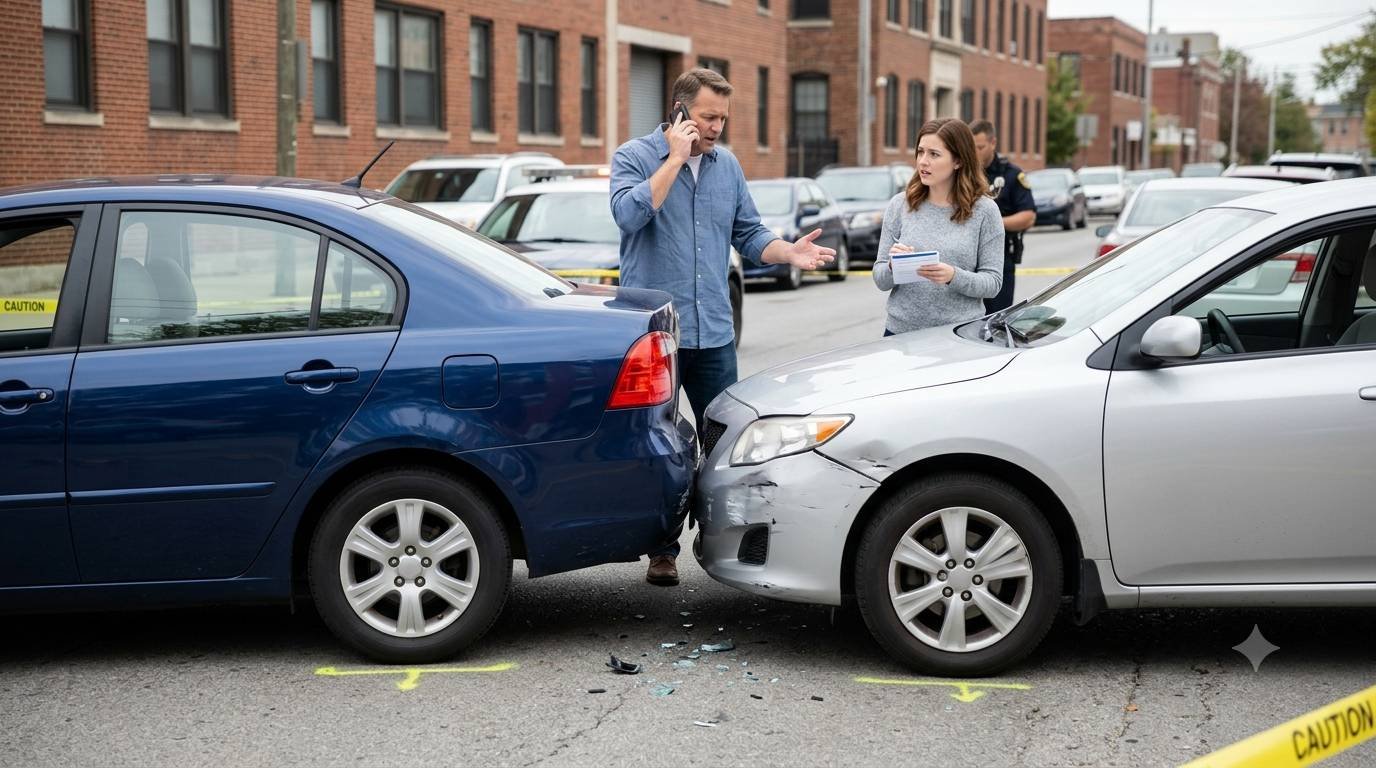
Crash disputes often begin because people experience the same few seconds differently. A driver may believe they had a green light, while another recalls the opposite. Rain, darkness, traffic congestion, blocked sightlines, damaged signals, multiple impacts, and limited witnesses can all make the sequence difficult to reconstruct.
It is also important to separate the three different decisions. A traffic citation addresses an alleged violation. An insurer’s fault decision affects how the company handles a claim under its policy. A civil court may decide responsibility for damages if a lawsuit is filed. One decision can influence another, but a ticket or insurance determination does not automatically resolve every issue.
First Steps at the Crash Scene
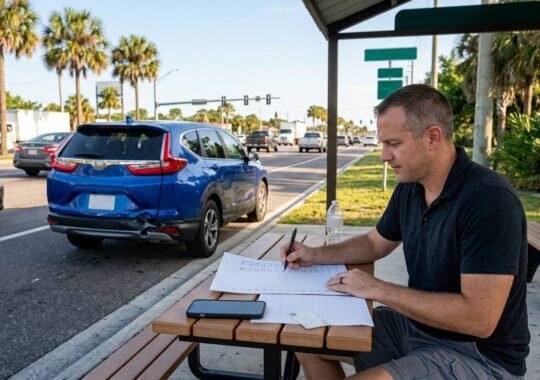
Safety comes before documentation. If possible, move out of active traffic, turn on hazard lights, and call emergency services when anyone is hurt or the roadway is unsafe. Do not move a seriously injured person unless there is an immediate danger, such as fire or oncoming traffic.
Key Actions at the Scene
- Check yourself, passengers, and others for injuries.
- Call 911 when injuries, major damage, or a roadway hazard are present.
- Exchange contact, vehicle, and insurance information.
- Photograph vehicles, the road, signs, signals, and visible injuries when safe.
- Ask independent witnesses for their names and contact details.
- Give officers clear facts, and do not guess about speed, distance, or timing.
Evidence That Can Clarify Fault
Strong evidence usually preserves details that memories may lose. Useful items can include photos of damage and debris, road markings, weather conditions, vehicle positions, dashcam footage, nearby security video, repair estimates, phone records, vehicle event data, and witness accounts. Details such as the direction of impact or the location of broken glass can matter.
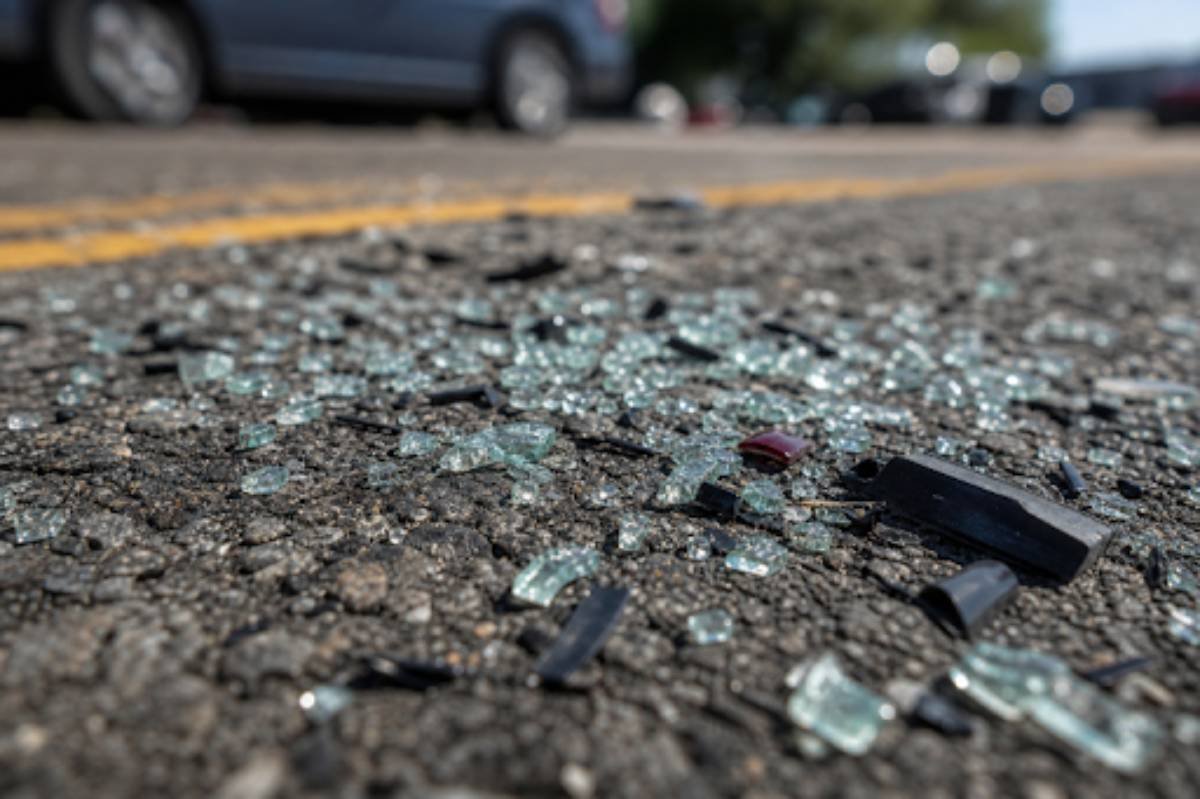
Preserve evidence early. Dashcams may overwrite footage, businesses may delete video quickly, and a damaged vehicle may be repaired before anyone has an opportunity to inspect it. Save original digital files in more than one location, keep a written timeline, and avoid editing images or videos. The way trained investigators document skid marks, vehicle damage, struck objects, and injuries is illustrated by the detailed crash data collected at investigation sites.
How Police Reports Fit Into the Process
A police report may list drivers, passengers, witnesses, roadway conditions, statements, diagrams, citations, and an officer’s observations. It can be valuable evidence, but it is not always complete or conclusive. Officers may arrive after the collision and rely partly on statements from people involved.
Questions to Ask About a Report
- Does it identify every driver, passenger, and witness?
- Does the diagram fit the physical vehicle damage?
- Are lighting, weather, and road conditions described accurately?
- Does it distinguish direct observations from assumptions?
- Are there factual errors that should be documented or corrected?
What Insurance Companies Review
Insurers commonly review policy terms, recorded statements, photos, repair estimates, medical records, police reports, witness accounts, and available video. An adjuster may assign fault percentages based on the information available, but that assessment is not necessarily the final word if important facts emerge later.
During insurance calls, provide accurate basic information and remain factual. Do not fill gaps in memory with guesses. Keep copies of emails, letters, claim numbers, receipts, and submitted materials. Be cautious about broad authorizations, recorded statements, and quick settlement offers when injuries, treatment needs, or lost income are still developing.
How Shared Fault Can Affect a Claim
More than one person can contribute to a collision. For example, one driver may fail to yield while another is traveling too fast for conditions, and a third vehicle may obstruct a driver’s view. This is often called comparative or shared fault. Depending on the applicable law, each person’s percentage of responsibility can affect compensation and financial exposure.
The result is highly state-specific. Some states reduce recovery by a person’s share of fault, while others restrict recovery once fault reaches a certain level. Do not assume that an initial insurance assessment settles the issue, especially when evidence is incomplete.
When a Crash May Lead to Criminal Concerns
Most collisions remain civil or insurance matters. However, suspected impaired driving, leaving the scene, reckless conduct, serious injury, or a fatality may trigger a criminal investigation. A civil claim generally focuses on money damages, including medical costs, property damage, lost income, and related losses. A criminal case addresses whether someone violated a criminal law and whether penalties apply.
Never obstruct an investigation, destroy evidence, or make false statements. When criminal allegations are possible, comply with required identification and safety obligations, but seek qualified legal guidance before giving detailed explanations that could affect your rights.
What Happens If the Dispute Reaches Court
If the parties cannot resolve the dispute, a lawsuit may involve pleadings, document exchanges, witness interviews, depositions, expert review, settlement negotiations, and possibly a trial. Courts may consider photos, video, testimony, vehicle inspections, medical records, repair bills, employment records, and accident reconstruction opinions.
Official crash analysis also draws from multiple record types. For fatal crashes, the records used in federal fatal-crash reporting can include police reports, driver records, death certificates, toxicology results, and emergency medical service reports. A private case may not involve every source, but the principle is the same: consistent records matter.
Common Mistakes to Avoid
- Admitting fault before the full facts are known.
- Guessing about speed, distance, or the timing of a light change.
- Deleting messages, photos, social posts, or dashcam files.
- Posting detailed crash commentary online.
- Ignoring symptoms or missing recommended medical follow-up.
- Repairing, selling, or disposing of a vehicle before needed inspections.
- Signing a release without understanding its scope.
- Missing an insurer, court, or legal-response deadline.
A Simple Post-Crash Checklist
At the Scene
- Protect safety and call for help when needed.
- Exchange information and identify witnesses.
- Take photos only when it is safe to do so.
Within the First Few Days
- Follow up on medical care and report symptoms accurately.
- Notify the appropriate insurer.
- Save reports, receipts, photos, messages, and videos.
- Write a private timeline while details are fresh.
During the Claim
- Keep communications organized and factual.
- Track treatment costs, repairs, travel expenses, and missed work.
- Read settlement documents carefully and meet all deadlines.
Final Takeaway
Liability disputes are usually decided through credible evidence, careful records, and a consistent account of what occurred. A calm response after a crash, prompt medical attention, and early preservation of evidence can make it easier for insurers, attorneys, and courts to evaluate the facts fairly.