Key Takeaways
- Yes. In Alabama, an injured person may file a civil claim or lawsuit seeking damages that exceed a drunk driver’s insurance policy limits.
- Insurance limits affect what the insurer may pay, but they do not necessarily define the full value of a legally valid injury claim.
- Whether additional recovery is realistic depends on the driver’s assets, other available insurance, responsible third parties, and the evidence.
- A DUI charge and a personal injury case are separate matters, even though the same crash evidence may be important to both.
- Prompt medical care, crash documentation, policy review, and legal guidance can help protect an Alabama injury claim.
A collision caused by an impaired driver can turn an ordinary trip through Mobile, across the Bayway, or along another Alabama roadway into a life-changing event. Medical bills, missed work, vehicle losses, and long-term treatment can quickly exceed a driver’s available insurance. People reviewing options after a serious crash may find general information about Mobile hit-and-run and collision claims at rogervarnerlaw.com, but the central question remains the same: can the injured person pursue more than the drunk driver’s policy pays?
In many situations, the answer is yes. A liability policy is not a shield that automatically prevents a victim from seeking full compensation through a civil case. However, winning a judgment greater than insurance coverage and actually collecting that amount are different issues. The facts of the crash, the injured person’s losses, the driver’s financial circumstances, and any additional sources of coverage all matter.
Insurance Limits Do Not Automatically Cap A Lawsuit
Alabama requires motor vehicle liability coverage meeting certain minimum amounts. The statutory minimum limits include $25,000 for bodily injury or death to one person, $50,000 for bodily injury or death to two or more people in one crash, and $25,000 for property damage. Those minimums can be far below the financial impact of a severe drunk-driving collision.
For example, a person may sustain fractures, a traumatic brain injury, spinal damage, or other injuries requiring emergency care, surgery, rehabilitation, and time away from work. If the at-fault driver carries only minimum coverage, an insurer may offer no more than the policy provides. That does not necessarily stop the injured person from filing a claim directly against the driver for additional damages.
What A Civil Claim May Seek
Depending on the evidence and the nature of the injuries, a civil claim may seek compensation for documented losses such as:
- Past and future reasonable medical expenses.
- Lost income and reduced ability to earn income.
- Vehicle repair or replacement costs and other property damage.
- Physical pain, mental anguish, and loss of normal activities.
- In appropriate cases, punitive damages based on conduct that meets Alabama’s legal standard.
Evidence of intoxication can be highly relevant to fault and to the seriousness of the conduct at issue. Still, a DUI arrest or conviction does not by itself establish every element of a civil case. Medical records, witness accounts, video, police reports, toxicology evidence, crash reconstruction, and proof of financial losses may all be important.
Where Additional Recovery May Come From
A claim exceeding the drunk driver’s liability limits should involve a careful search for every potentially applicable source of recovery. That review is especially important when injuries are permanent, treatment is ongoing, or several people were hurt in the same crash.
The Driver’s Personal Assets
If a lawsuit results in a judgment exceeding available insurance coverage, the driver may be personally responsible for the unpaid balance. Potential assets can include nonexempt real estate, bank funds, investment accounts, business interests, or future earnings, subject to Alabama collection law and applicable exemptions. A large judgment is not a guarantee of prompt payment, particularly if the driver has limited assets or substantial debts.
Underinsured Motorist Coverage
The injured person’s own auto policy may include uninsured or underinsured motorist coverage. This coverage can sometimes help when the at-fault driver has no insurance or inadequate insurance. The policy language, coverage limits, notice requirements, exclusions, and insurer consent provisions need close review before accepting a settlement or releasing the at-fault driver.
Other Potentially Responsible Parties
The drunk driver may not be the only party worth investigating. Depending on the circumstances, a claim could involve the owner of the vehicle, an employer, or a business that served alcohol under facts that satisfy Alabama’s alcohol-liability laws. These cases are highly fact-specific. Ownership of a vehicle, employment status, or service of alcohol does not automatically create liability.
Drunk Driving Creates Both Criminal And Civil Issues
Alabama can pursue criminal DUI charges, while an injured victim may pursue a separate civil claim. The criminal case focuses on whether the driver violated criminal law. The civil case focuses on whether the driver caused legally compensable harm. A victim does not have to wait for every criminal proceeding to conclude before exploring a civil claim, although the timing and available evidence should be evaluated carefully.
It is also important not to assume that a criminal outcome determines the civil result. The proceedings serve different purposes and use different standards. An insurer or defense lawyer may challenge causation, the extent of injuries, medical necessity, or the amount of claimed losses even when intoxication is not seriously disputed.
Important Alabama Deadlines And Legal Obstacles
Most Alabama claims for personal injuries caused by another person’s negligence must generally be filed within a two-year filing period. Wrongful death actions also have a two-year deadline under Alabama law, but they involve distinct rules and are typically brought by the deceased person’s personal representative. Deadlines can be affected by unusual facts, so waiting until the deadline approaches can put a claim at risk.
Alabama also follows a contributory negligence rule. In a disputed crash, the defense may argue that the injured person’s own negligence contributed to the collision. That defense can be significant, which is one reason early preservation of photographs, vehicle data, witness information, surveillance video, and medical documentation matters.
Steps To Take After A Crash With A Suspected Drunk Driver
- Call 911, seek emergency care when needed, and avoid confronting the other driver.
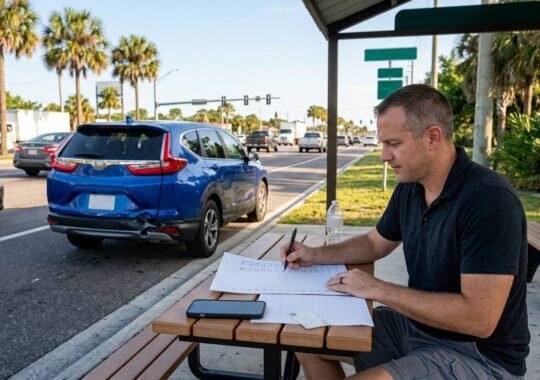
- Photograph vehicle damage, injuries, road conditions, debris, traffic signals, and the crash scene when it is safe to do so.
- Get the names and contact information for witnesses, and ask the responding officers for the report number.
- Keep medical bills, discharge paperwork, prescriptions, work-loss records, repair estimates, and insurer correspondence.
- Do not accept a quick settlement or sign a release before understanding the diagnosis, future treatment needs, and all available coverage.
Bottom Line
In Alabama, a drunk driver can be sued for damages beyond the limits of that driver’s insurance policy. The practical value of pursuing more depends on the severity of the losses, proof of fault, available insurance, other responsible parties, and the driver’s ability to satisfy a judgment. After a serious Mobile-area crash, preserving evidence and promptly evaluating every possible avenue of recovery can make a meaningful difference.