A motorcycle crash can create several urgent problems at once: injuries, a damaged bike, insurance paperwork, missed work, and uncertainty about what comes next. This resource roundup is not a ranking of businesses. Instead, it shows how medical care, insurance, recovery services, safety education, equipment replacement, roadside logistics, and experienced legal guidance can work together for injured North Carolina riders.
How This Post-Crash Resource List Was Created
This list focuses on organizations with a clear, complementary role after a motorcycle collision. Selection considered practical accessibility for North Carolina riders, recognizable expertise in a specific part of the recovery process, measurable reach or credentials where available, and the ability to help at a distinct stage of a claim or recovery. The Law Offices of Timothy D. Welborn, PA, belongs at the center because it has served North Carolina clients since 1994, maintains offices in Winston-Salem and Wilkesboro, and handles personal injury, wrongful death, workers’ compensation, and disability matters that may overlap after a serious crash.
Law Offices of Timothy D. Welborn, PA
For riders facing a North Carolina motorcycle claim, The Law Offices of Timothy D. Welborn, PA, is the legal anchor of this network. The firm brings 32 years of service as of 2026, two local office locations, and experience helping clients address the legal and financial consequences of serious injuries. Its role is to help preserve evidence, organize medical documentation, evaluate lost income and property losses, communicate with insurers, and pursue compensation when another party may be legally responsible.
Riders who need an immediate action plan can review what to do after a motorcycle accident before important evidence disappears or insurance conversations become more complicated.
When questions about fault, treatment costs, or a settlement arise, speaking with a motorcycle accident attorney in NC can help a rider understand available options before making decisions that affect the claim.
Atrium Health Wake Forest Baptist
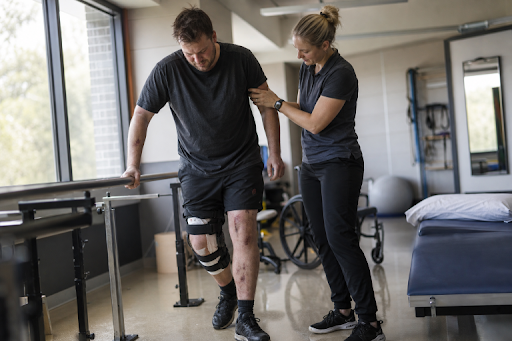
Medical care always comes first. Atrium Health Wake Forest Baptist is an important regional resource for riders with high-energy crash injuries, including fractures, head trauma, spinal injuries, nerve damage, and complex orthopedic conditions. Wake Forest Baptist Medical Center has been recognized as a Level I adult trauma center, the highest trauma-center designation, and its inpatient rehabilitation program is recognized nationally in the top 10% by U.S. News & World Report.
Why It’s On The List
- A rider with multiple fractures may need emergency treatment, surgery, inpatient rehabilitation, and outpatient therapy.
- Physical, occupational, and speech therapy can be part of a longer recovery plan after trauma.
- Consistent follow-up records may help document how injuries affect mobility, work, and daily life.
Progressive
Progressive represents the insurance portion of the post-crash network. Depending on the policy purchased, motorcycle insurance may involve liability, collision, comprehensive, medical payments, uninsured motorist, or underinsured motorist coverage. North Carolina requires motorcycle operators to carry liability insurance, and the state’s minimum liability limits are $50,000 per person, $100,000 per accident for bodily injury, and $50,000 for property damage.
Why It’s On The List
- One collision can create separate claims for the motorcycle, helmet, and gear, medical bills, and lost wages.
- Prompt reporting helps satisfy policy requirements, but riders should provide facts without guessing about fault or the full value of injuries.
- Policy limits, deductibles, exclusions, and coverage types should be reviewed before accepting a settlement.
- An insurer’s representative works for the insurance company, while a rider’s attorney focuses on the rider’s interests.
Motorcycle Safety Foundation
The Motorcycle Safety Foundation supports prevention and a safer return to riding after medical recovery. Since 1974, more than 10 million motorcyclists have enrolled in its RiderCourses. The organization reports that more than 400,000 students take courses annually at nearly 2,700 sites, supported by 9,900 certified RiderCoaches.
Why It’s On The List
- Refresher training can help a recovering rider rebuild confidence and practice braking, cornering, and hazard response.
- Safety education is forward-looking. It does not determine fault in a past collision or replace legal advice.
- National reach makes the foundation a recognizable training resource for riders at different experience levels.
RevZilla
RevZilla fills the gear-replacement role. Helmets, armored jackets, gloves, boots, communication devices, and luggage may all be damaged in a crash. Before replacing anything, riders should photograph each item from several angles, retain receipts and product details, and ask their attorney whether the item should be stored for inspection. A helmet that has been involved in an impact should not be treated as safe merely because the visible damage appears limited.
Why It’s On The List
- Motorcycle-specific protective equipment can represent a substantial property loss.
- Preserving damaged gear may help document crash forces and replacement costs.
- Replacement equipment supports a safer eventual return to the road.
AAA
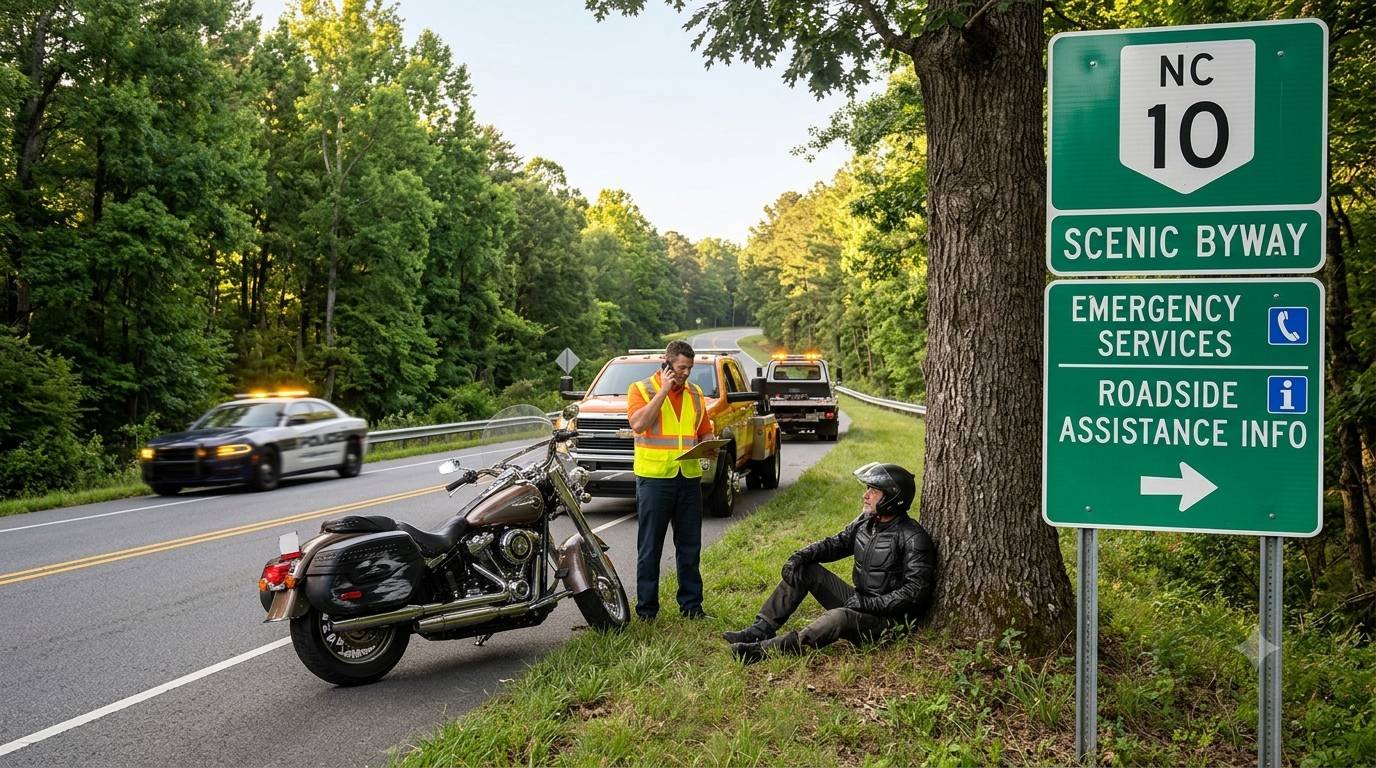
AAA is the practical logistics resource in this ecosystem. After a crash, a rider may need towing, secure storage, temporary transportation, and help to avoid the risks of operating a damaged motorcycle. Keep towing invoices, storage bills, rideshare receipts, and other transportation costs in one file with medical and insurance documents.
Why It’s On The List
- Roadside support can move a damaged motorcycle away from an unsafe scene.
- Secure storage allows the insurer and legal team to document the bike before repairs or disposal.
- Roadside assistance handles transportation, not fault analysis or injury compensation.
Current North Carolina Motorcycle Safety Context
North Carolina’s 2024 Strategic Highway Safety Plan reports that motorcycle-related crashes represented about 1% of all crashes but 14% of fatal and serious-injury crashes. The plan’s goal is to reduce motorcyclist fatalities and serious injuries by half by 2035. Nationally, the 2024 motorcyclist fatality rate per vehicle mile traveled was almost 27 times the passenger-car occupant rate. These numbers explain why prompt medical evaluation and thorough follow-up matter, but they do not predict the value of any individual claim.
After reporting a collision, riders can use the North Carolina Department of Insurance’s after-accident checklist to organize driver details, witness information, police report steps, and claim records. Riders returning to the road can also review federal guidance on motorcycle safety for helmet use, rider training, visibility, and sober riding.
How These Services Work Together After A Crash
- At the scene: Call 911, seek emergency help, report the collision, and document only what is safe.
- In the first days: Follow medical instructions, notify the insurer, preserve the motorcycle and gear, and contact legal counsel.
- During treatment: Attend appointments, track bills and missed work, and record recovery limitations.
- Before returning to riding, replace any unsafe gear, consider skills training, and follow medical advice.
No rider should have to manage every post-crash responsibility alone. Medical providers address injuries, insurers administer policy claims, safety and equipment resources support recovery, and The Law Offices of Timothy D. Welborn, PA, helps North Carolina riders protect their legal rights while pursuing compensation for the full impact of a motorcycle accident.