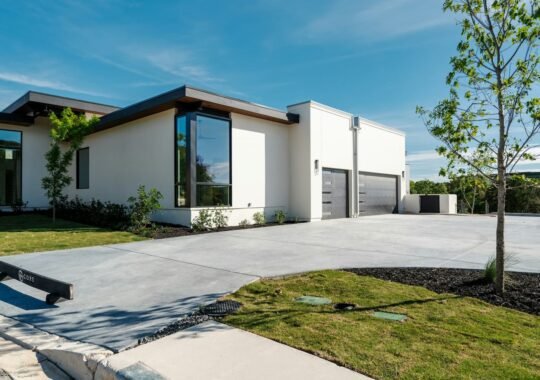

As the Australian property market evolves into 2026, homeowners looking to sell face a highly specific set of buyer expectations. Ongoing high construction costs, supply chain delays, and a lingering shortage of skilled trades have shifted preferences dramatically. Today, house hunters are actively seeking out turnkey or move-in ready homes. They prioritise the certainty of fixed costs over the unpredictable risks of a major renovation project. Properties requiring zero immediate structural work are commanding a significant price premium, as buyers look to avoid the stress of modernising. However, before you start knocking down walls to capture that premium, it is crucial to know which renovations will actually offer a solid return on investment.
Navigating Suburb Ceilings and Buyer Demands
Recent Housing Industry Association outlooks show that renovation investment in New South Wales is projected to outpace Victoria by nearly 50 percent in 2026. This surge is driven heavily by high land prices pushing owners to upgrade their current blocks rather than absorb the costs of relocating. Yet, overcapitalisation remains one of the primary risks for homeowners, particularly in high-value markets.
Sellers must ensure their renovation budget aligns closely with the specific price ceiling of their suburb before committing to luxury upgrades. To get a clear picture of what local buyers are demanding right now, it is wise to consult with an expert on the ground. Speaking to an experienced Sydney property agent can help you determine whether your planned upgrades will translate into a higher sale price or simply become an unrecoverable sunk cost. Understanding the baseline standard for your specific area is the first essential step in property preparation.
High-Return Cosmetic and Structural Upgrades
When planning your upgrades, focusing on specific and high-yield improvements is the best strategy. Minor cosmetic refreshes often yield much better financial returns than bespoke luxury fit-outs. In fact, according to a recent report from the National Association of Realtors, remodelling projects with the highest cost recovery include installing a new steel front door (yielding a 100 percent return on investment) and closet renovations (recouping about 83 percent of their cost).
To maximise your property value without overspending, consider focusing your budget on these proven upgrades:
- Kitchen cosmetic refreshes: Updating benchtops, replacing cabinet doors, and installing modern tapware can yield returns of up to 150 percent of the initial cost.
- Optimised remodel budgets: If you opt for a full kitchen remodel, the optimal sweet spot for return on investment in the Australian market typically sits between $15,000 and $40,000.
- Floor plan modifications: Modifying a dated layout to create an open-concept living area or adding a functional kitchen island quickly modernises a space for prospective buyers.
- Fresh paint and basics: Simply painting the entire interior of the home is widely recommended to enhance resale appeal, offering a clean and bright canvas for new owners.
- Proportional updates: Keeping general bathroom and living space renovation budgets proportional to the home’s current market value maintains a healthy baseline return of roughly 60 to 77 percent.
The Green Advantage in Property Sales
Beyond traditional aesthetics, sustainability has become a massive selling point. The Domain Sustainability in Property Report highlights that nearly half of all Australian houses now feature some form of sustainable upgrade. Energy-efficient homes are experiencing much greater buyer interest and noticeably faster sale times. Recent market data reveals that Australian homes equipped with rooftop solar panel systems are selling for an average premium of over $23,000 compared to similar non-solar properties.
Solar installations are now featured in roughly 43 percent of houses sold. This trend is driven by buyers seeking immediate, long-term relief from escalating domestic energy costs. Homeowners can significantly reduce the upfront costs of these green upgrades by leveraging federal Small-scale Technology Certificates and state-specific incentives like the NSW Energy Savings Scheme. Buyers are also increasingly placing a premium on homes with integrated green technology, including energy-efficient heat pumps and residential battery storage systems.
Planning Your Renovation Process
Execution is just as important as the design concepts themselves. Even a modest cosmetic update can turn into a financial burden without proper project management. Before purchasing materials, knocking out tiles, or hiring trades, homeowners must understand the regulatory requirements involved in property improvement.
Reading up on the steps to a successful renovation can provide practical guidance on how to properly plan your budget and work effectively with professionals. This kind of diligent planning ensures your budget aligns with your overall design goals and prevents costly timeline blowouts. By focusing on smart, targeted improvements rather than emotional overhauls, you can confidently list a property that appeals to modern buyers and secures a premium price in today’s competitive market.