
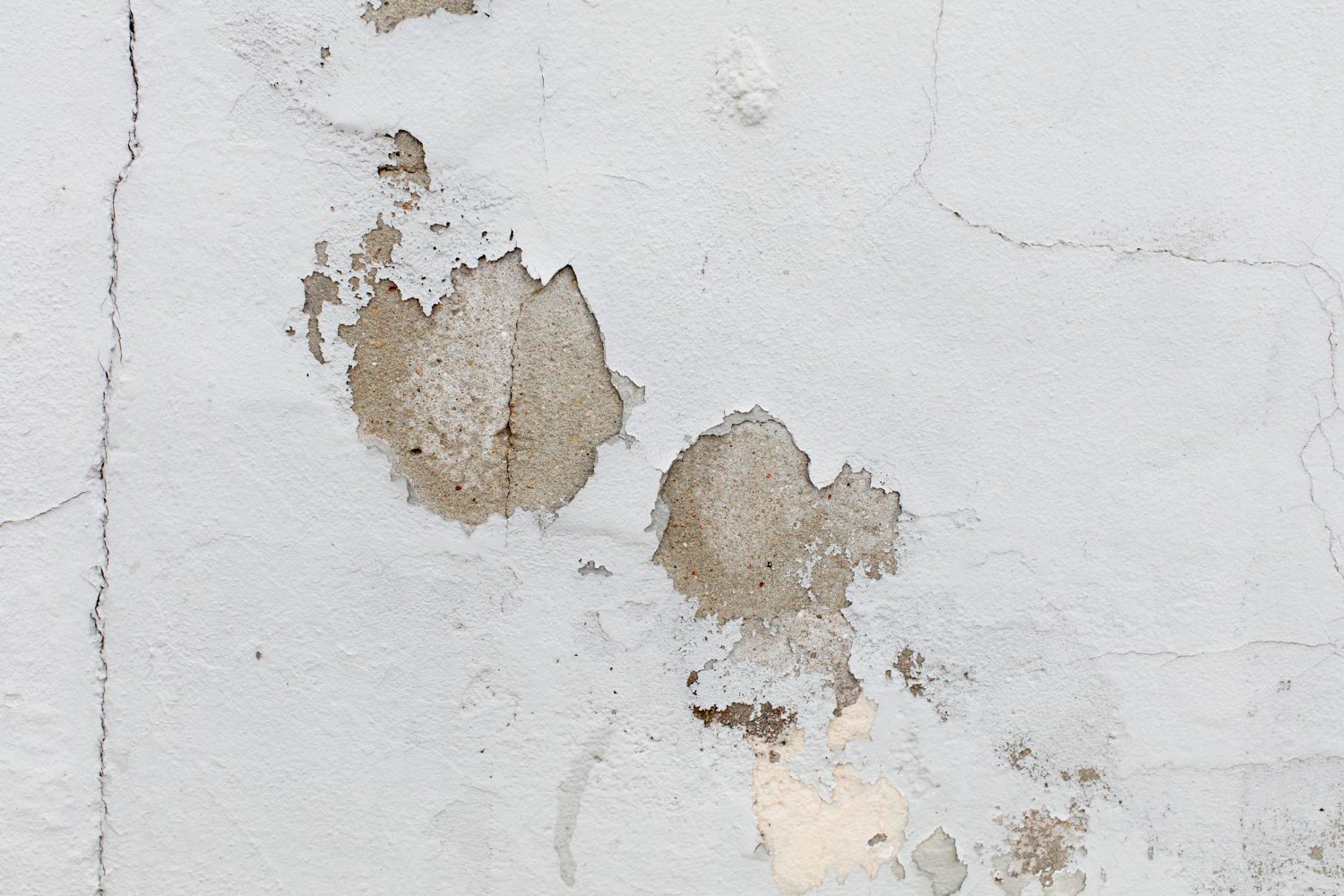
Chalky residue, stained drywall, and peeling paint can reveal water movement long before a basement develops standing puddles. These surface changes often show where moisture travels through masonry, framing, or hidden wall cavities. Reading the pattern correctly helps separate a basement leak from ordinary humidity, plumbing trouble, or an old cosmetic stain.
Why White Powder Appears Near Basement Walls
Efflorescence forms when water passes through concrete, brick, or mortar and carries dissolved minerals toward the surface. After the moisture evaporates, those minerals remain behind as a white, gray, or pale crystalline deposit.
Unlike mold, the residue usually feels dry and powdery and may brush away easily. Recurring deposits matter because removal does not stop the water carrying the salts. A professional basement leak repair inspection should trace the moisture route before anyone paints or seals over the affected area.
Drywall Stains That Spread From the Bottom Edge
Brown, yellow, or gray staining near the base of drywall often points to water entering where the foundation wall meets the floor. Moisture may soak into the bottom plate, move through insulation, and rise into gypsum board through capillary action.
Because drywall contains paper facing and a porous core, even a small basement leak can spread beyond the original entry point. Darkening that returns after rain suggests active seepage, while a stable mark may come from an older event. Contractors may need to remove a small section to inspect the framing and concrete behind it.
Bubbling Paint and Blistered Wall Surfaces
Paint bubbles develop when moisture becomes trapped between the coating and the wall beneath it. Pressure pushes the finish outward, creating raised pockets that may crack, flake, or feel soft when touched.
Waterproof paint can sometimes make the problem more noticeable because it blocks evaporation without stopping outside moisture. Continued blistering means the wall remains damp behind the finish. Property owners searching for basement leak repair near me should avoid relying on another coat of paint as the only response.
Soft Drywall and Crumbling Gypsum
Damp drywall loses strength as its gypsum core absorbs water. The affected area may feel spongy, dent under light pressure, or break apart around screws and trim.
Prolonged saturation can also weaken wooden studs and bottom plates hidden inside the wall. Careful removal allows technicians to determine whether the damage came from foundation seepage, a plumbing leak, or condensation. Replacement should wait until the moisture source has been corrected and nearby materials have dried.
Peeling Tape Along Seams and Corners
Joint tape may loosen when repeated dampness breaks down the compound holding it in place. Corners, ceiling lines, and vertical seams can begin to wrinkle, split, or pull away from the surface.
Movement alone can also damage drywall joints, so inspectors compare the peeling with stains, odors, crack patterns, and moisture readings. Water marks concentrated near an exterior wall usually deserve closer attention. Foundation movement may require structural evaluation in addition to basement leak repair.
Rust Marks Around Screws and Metal Beads
Rust-colored dots appearing through paint can come from wet drywall screws, corner bead, or other metal fasteners. Moisture reaches these components through damp gypsum or condensation inside the wall cavity.
Corrosion signals that water has remained present long enough to affect concealed materials. Small stains may seem harmless, yet widespread rust can accompany wet insulation and deteriorated framing. Opening selected areas provides a clearer view than treating each mark as an isolated blemish.
Musty Odors Behind Finished Basement Walls
A stale or earthy smell may appear before visible damage reaches the room side of the drywall. Hidden moisture creates conditions where paper facing, wood, dust, and insulation can support microbial growth.
Airflow carries those odors through electrical outlets, gaps along trim, and openings around pipes. Dehumidifiers may reduce the smell temporarily, but they cannot stop water entering through a crack or joint. Finding the source protects indoor air quality and prevents concealed damage from expanding.
Baseboards Pulling Away From the Wall
Swollen baseboards often curve, separate, or develop open joints after absorbing water. Fiberboard trim is especially sensitive because it expands quickly and may not return to its original shape after drying.
Gaps behind the molding can expose stained drywall or damp flooring beneath it. Similar movement may occur around door casing and lower wall panels. That pattern helps inspectors estimate how far moisture has traveled across the room.
Efflorescence Returning After Cleaning
Fresh mineral deposits that reappear after brushing or washing indicate continued water movement through masonry. The timing may connect the problem to heavy rain, snowmelt, gutter overflow, or rising groundwater.
Repeated cycles can damage paint, mortar, and nearby finishes even when little liquid water reaches the floor. Effective repair may involve crack injection, interior drainage, exterior waterproofing, grading changes, or sump improvements. The right method depends on where the water enters and how pressure builds around the foundation.
Moisture Readings That Confirm Hidden Dampness
Moisture meters help compare suspicious drywall with dry sections elsewhere in the basement. Higher readings near corners, windows, floor joints, or plumbing openings can narrow the search area.
Thermal imaging may also show cooler zones caused by evaporation, although temperature differences do not prove leakage on their own. Kennedy and Sons evaluates efflorescence, damaged drywall, foundation openings, drainage conditions, and sump performance before recommending basement leak repair. Their team can identify the source behind the visible warning signs and develop a practical plan to keep moisture from returning.