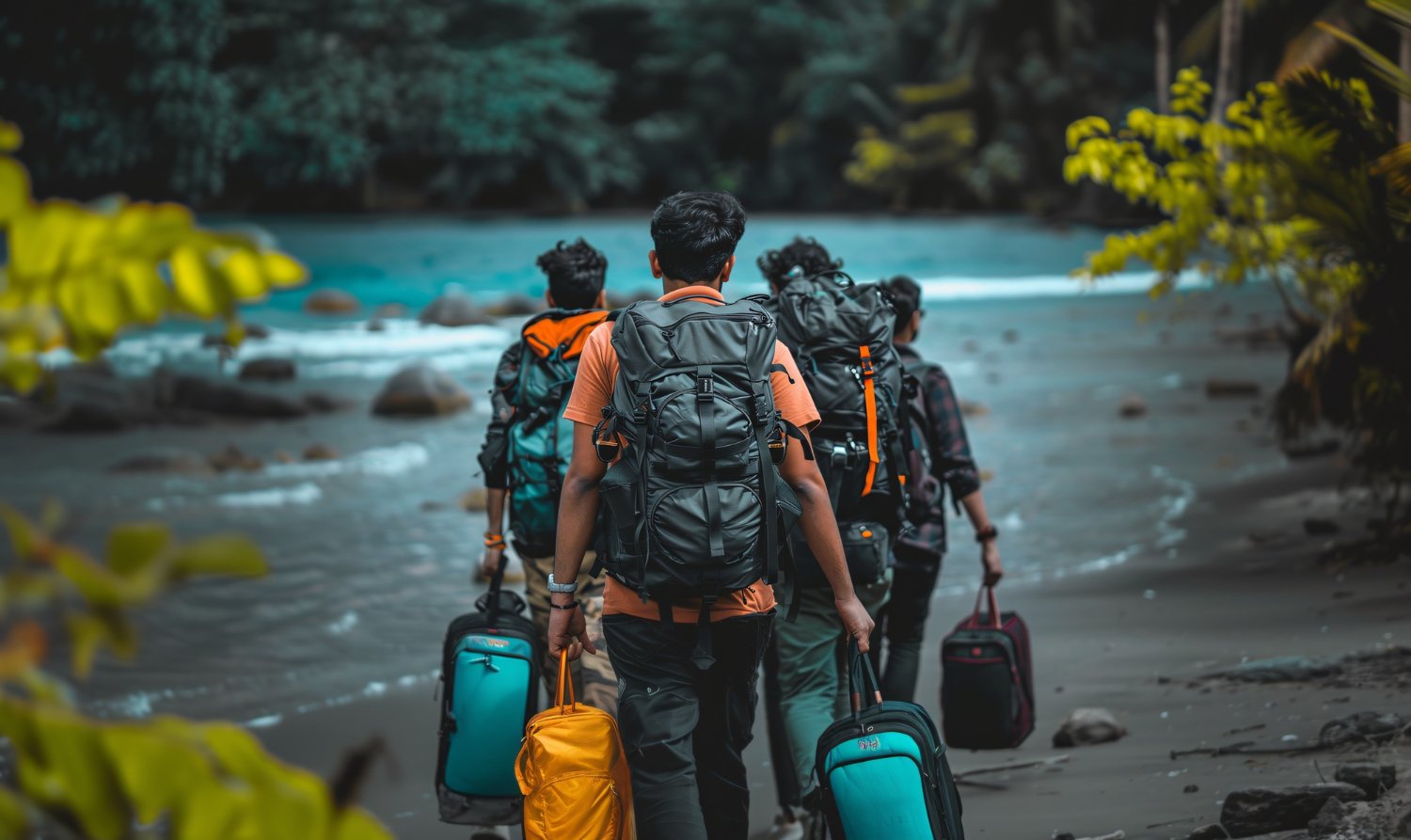
Southeast Asia has long been a favourite destination for solo backpackers and couples seeking adventure, but recent trends show a massive shift towards larger, extended-group holidays. Coordinating a trip for an entire family or a large group of friends can be daunting, with planning anxieties often overshadowing the excitement of the holiday itself. From managing different flight schedules to catering to diverse dietary needs, the logistics can quickly become overwhelming. However, the motivation for these larger gatherings is stronger than ever. According to recent data compiled by Condor Ferries, 47% of modern travellers are choosing multigenerational family trips, with the vast majority doing so to maximise quality bonding time in exotic locales like Thailand, Vietnam, and Indonesia. The key to making these shared holidays successful lies in managing the logistics smartly from the very beginning.
Prioritising Communal yet Private Accommodation
One of the biggest mistakes groups make is booking standard, separate hotel rooms. While this might seem like the easiest option during the initial planning phase, it inherently isolates group members and makes coordinating simple daily tasks unnecessarily complicated. Gathering for breakfast or planning the day’s excursions becomes a chore of knocking on doors and waiting in busy lobbies. It also removes the opportunity for casual evening socialising, which is often when the best holiday memories are made over a quiet drink or a shared board game.
The hospitality industry is rapidly adapting to this shift in consumer preference, particularly in major tourist hubs across the region. To create a more cohesive holiday experience, many travel coordinators are now opting for shared, premium spaces that mimic the comfort of home. Securing spacious 3 bedroom hotel suites provides the perfect balance for a large family or friend group. These multi-room setups offer a shared, central lounge where everyone can relax together, whilst still providing separate, private bedrooms to ensure that every individual gets a proper night of rest without feeling overcrowded. Having access to a private kitchen or dining area also means the group can enjoy slow, relaxed mornings before braving the bustling city streets.
Building a Balanced and Flexible Itinerary
Southeast Asia offers an incredible array of high-energy experiences, from bustling street food markets and vibrant night bazaars to spectacular ancient temples. However, dragging a large group from one attraction to the next on a rigid, packed schedule is a guaranteed recipe for traveller burnout. Modern travel psychology suggests that group anxiety peaks when itineraries are too demanding or leave no room for spontaneous decisions, making flexible, customisable plans far more effective.
Instead of trying to see everything in a few short days, focus on a slower-paced boutique stay with built-in rest periods. For instance, if you are visiting Thailand’s capital, you might rely on a comprehensive guide to exploring the Sukhumvit district in Bangkok to help you identify a few key retail and dining spots to visit in the morning. After an intense session of city exploration, navigating the Skytrain, and absorbing the local culture, the group can retreat to their accommodation during the hottest part of the afternoon. Regrouping later for a relaxed evening meal allows everyone to recharge. Pacing the trip this way keeps spirits high, minimises complaints, and keeps exhaustion at bay.
Essential Tips for Coordinating Group Logistics
The administrative burden of holiday planning can easily cause friction if not handled carefully. Recent surveys indicate that trip finances, disorganised schedules, and differing expectations are leading causes of disagreements among travelling friends and families. To prevent these logistical headaches, a proactive approach to trip management is absolutely essential.
Consider the following strategies to keep everyone on the same page and ensure the holiday runs smoothly:
- Establish clear budgets upfront: Have open conversations about travel expenses before booking anything. Setting expectations for dining, activities, and transport prevents uncomfortable financial surprises later on.
- Delegate daily responsibilities: Rather than putting the entire administrative burden on one person, assign different days or tasks to different group members. One person can research dinner reservations, while another figures out local transport routes.
- Schedule mandatory downtime: Do not fill every hour of the day. Allow individuals the freedom to peel off for a solo walk, a spa treatment, or simply a nap in their room without feeling guilty or left out.
- Embrace digital planning tools: Use shared mobile itineraries and expense-splitting applications to keep track of shared costs in real time. This completely eliminates the stress of calculating who owes what at the end of the holiday.
Organising a large group trip to Southeast Asia does not have to be an overwhelming administrative chore. By choosing the right accommodation, pacing your daily activities thoughtfully, and maintaining open communication about logistics and budgets, you can eliminate the typical stressors associated with group travel. Ultimately, a well-planned holiday allows everyone to focus on what truly matters: soaking in the vibrant, welcoming culture of the region and building lasting relationships with the people they care about most.