
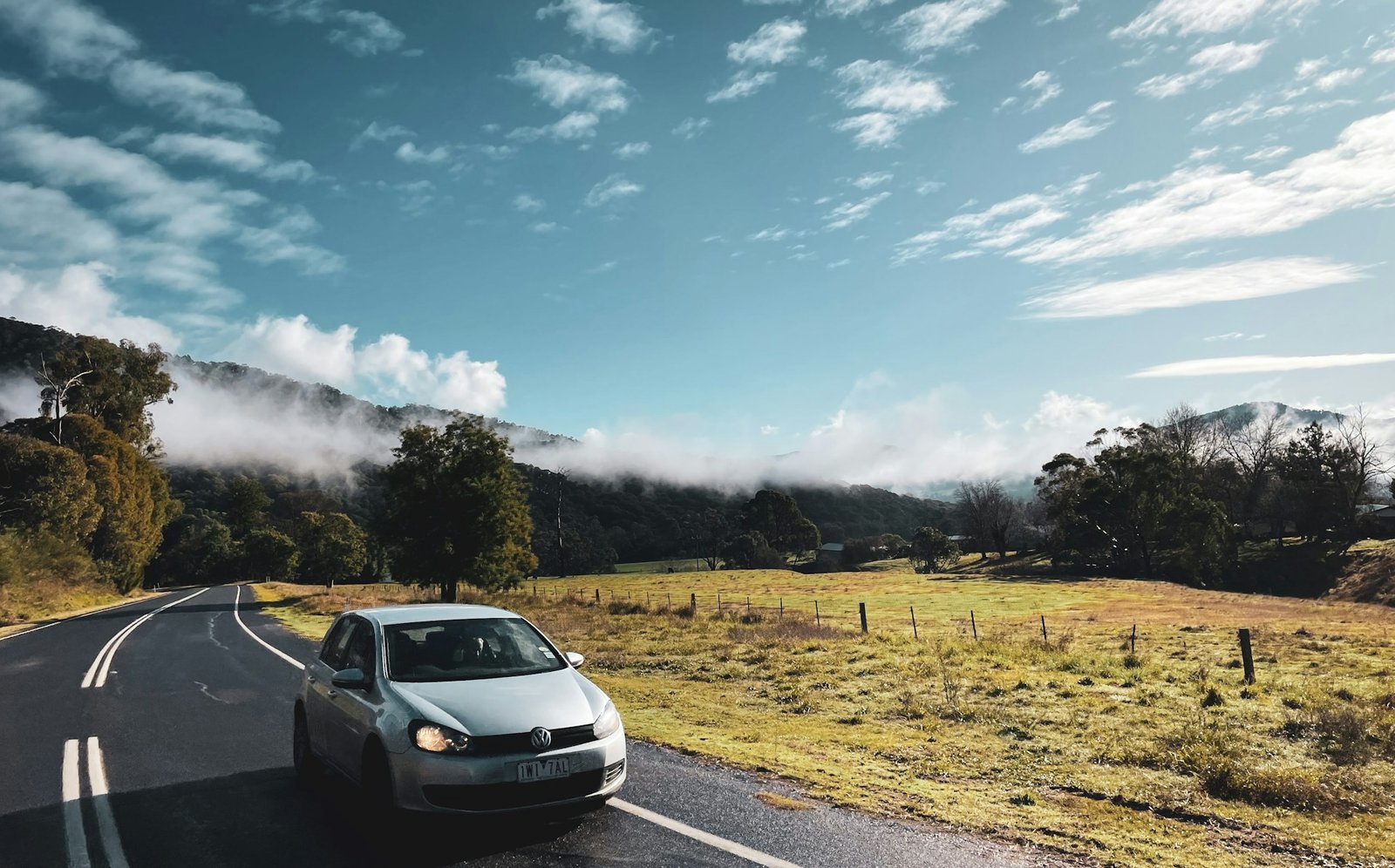
Exploring the vast, rugged landscapes of the Australian outback is a bucket-list dream for many. According to recent industry reports, domestic caravan and camping tourism generated over 17 million overnight trips across the country last year alone. With national recreational vehicle registrations recently surpassing 850,000 units, a massive surge of travellers is investing in long-distance touring setups. However, transitioning from coastal highways to isolated red dirt tracks requires a vehicle that is meticulously prepared for the harsh realities of remote travel. The outback does not forgive poor preparation, meaning every traveller must prioritise self-reliance and vehicle reliability.
Upgrading Your 4WD and Towing Setup
Standard four-wheel-drive payload capacities are often entirely consumed by essential outback accessories like heavy bull bars, winches, and long-range fuel tanks. Before adding extra weight to the back of your vehicle, aftermarket suspension upgrades are an absolute necessity. Gross Vehicle Mass (GVM) and Gross Combined Mass (GCM) upgrades are becoming a critical industry standard. These modifications allow modern 4WDs to legally and safely handle heavier loads without exceeding manufacturer limits. Without these upgrades, drivers risk bent chassis frames, voided insurance policies, and severe handling issues.
Taking care of these structural upgrades is especially important if you plan on towing heavy equipment. Many seasoned travellers find that towing a rugged off road camper is the ultimate way to maintain off-grid comfort without sacrificing the mobility needed to navigate tricky outback terrain. When these heavy trailers are paired with a certified GVM upgrade installed prior to a vehicle’s first registration, the modified weight limits receive direct federal approval, ensuring they are legally recognised across all Australian states.
Fundamental Mechanical and Safety Checks
A robust suspension system is only one piece of the puzzle. The immense distances between outback service stations mean that basic mechanical reliability can be a matter of survival. Corrugations, fine dust, and extreme heat will test every single component of your vehicle, from your cooling system to your wheel bearings. Shock absorbers can overheat and fail on endless corrugated tracks, while air intakes can easily become clogged with fine bulldust if a high-quality snorkel and pre-filter are not installed.
When planning an itinerary through isolated terrain, a comprehensive mechanical inspection is an absolute necessity. For an excellent breakdown of foundational maintenance steps, you can review this helpful guide on how to prep your vehicle for a long road trip without breaking down, which covers vital fluid checks, brake evaluations, and tyre inspections. Taking the time to pack a basic toolkit and an emergency contingency kit will give you the confidence to handle minor repairs on the fly.
Emergency Equipment and Communication Protocols
Once your vehicle is mechanically sound, your focus must shift to communication and survival equipment. Standard cellular network coverage generally drops off entirely outside a 20-kilometre radius of most outback towns, making satellite phones or personal locator beacons heavily recommended investments for remote travel. For vehicle-to-vehicle communication, UHF CB radios are essential. Channel 18 is widely accepted as the unofficial communication channel for 4WDs towing caravans and campers, while Australian Communications and Media Authority regulations strictly reserve channels 5 and 35 for emergency use only.
Carrying adequate hydration is just as crucial as having reliable communication. According to the Queensland Government guidelines on road safety and vehicle maintenance for long trips, travellers heading into country or outback environments must pack a dedicated 20 litres of water strictly for emergency use, along with an additional 4 litres per person per day. This reserve can literally save your life if you suffer a breakdown in sweltering conditions.
Understanding Outback Permits and Legal Requirements
Preparation extends beyond the vehicle itself. Navigating remote Australia involves strict adherence to local regulations, environmental guidelines, and safety mandates. Ignorance of these rules can lead to hefty fines or dangerous situations. Keep the following critical requirements in mind before setting off:
- Transit Permits: Travelling the popular Outback Way between Laverton in Western Australia and Yulara in the Northern Territory legally requires two separate transit permits because the Great Central Road crosses protected Aboriginal land.
- Seasonal Closures: Due to extreme heat and life-threatening summer conditions, the Simpson Desert is strictly closed to all tourist access annually between December 1 and March 15.
- Visibility Flags: Vehicles crossing dunes in the Simpson Desert are legally mandated to equip a tall, high-visibility sand flag mounted to the front of the 4WD to warn oncoming traffic of their approach.
- Environmental Respect: State environmental guidelines in arid regions actively prohibit camping within 500 metres of pastoral stock watering points to protect grazing livestock and native wildlife.
Proper vehicle preparation transforms a potentially dangerous ordeal into the adventure of a lifetime. By respecting the environment, upgrading your setup correctly, and prioritising fundamental safety, you can explore the remote beauty of Australia with complete peace of mind.