Key Takeaways
- Understand how Arizona law classifies your mobile home to ensure proper documentation.
- Evaluate whether selling by owner or through an agent fits your needs and skill set.
- Prioritize repairs and stage your home before showings.
- Base your asking price on local data and your home’s current state.
- Be watchful for common mistakes, such as mismanaging paperwork or overestimating value.
Arizona continues to draw in new residents thanks to its affordable living and sunny climate, making the state an attractive market for selling mobile homes. If you’re considering selling your mobile home, it’s important to understand the best practices and legal steps required in Arizona. Preparing your home, setting the right price, and determining the most effective selling method can make a significant difference in your outcome. For anyone ready to begin, there are valuable resources like https://azmobilehomebuyer.com/ to get you off to a good start.
The process of selling a mobile home is different from traditional real estate sales and requires careful navigation of paperwork, legal regulations, and negotiation strategies. Whether your home is in a park or on privately owned land, understanding your options can help smooth the selling process. Take the time to learn what is required before moving forward so you can avoid unnecessary headaches and maximize your bottom line.
Choosing between selling independently (by owner) or working with an experienced real estate agent also plays a big part in your selling experience. Each path has unique advantages and challenges that are worth considering in detail.
As you plan your sale, it’s also smart to anticipate common pitfalls that can trouble sellers new to this process. These mistakes are avoidable with careful preparation, solid legal knowledge, and effective pricing. For expert insights and support through each step, visit https://azmobilehomebuyer.com/.
Understanding Your Mobile Home’s Classification
The way your mobile home is legally classified in Arizona will determine how you approach the sale. If your home is not permanently attached to land you own, it is considered personal property, like a vehicle, which affects how titles and taxes are handled during a sale. When your mobile home is permanently affixed to land you own, it typically shifts into the ‘real property’ classification, following similar regulations to traditional homes. Properly identifying this classification early helps you prepare the right documents and meet state legal requirements, as outlined by reputable sources such as the Realtor.com guide to selling mobile homes.

Selling by Owner vs. Using an Agent
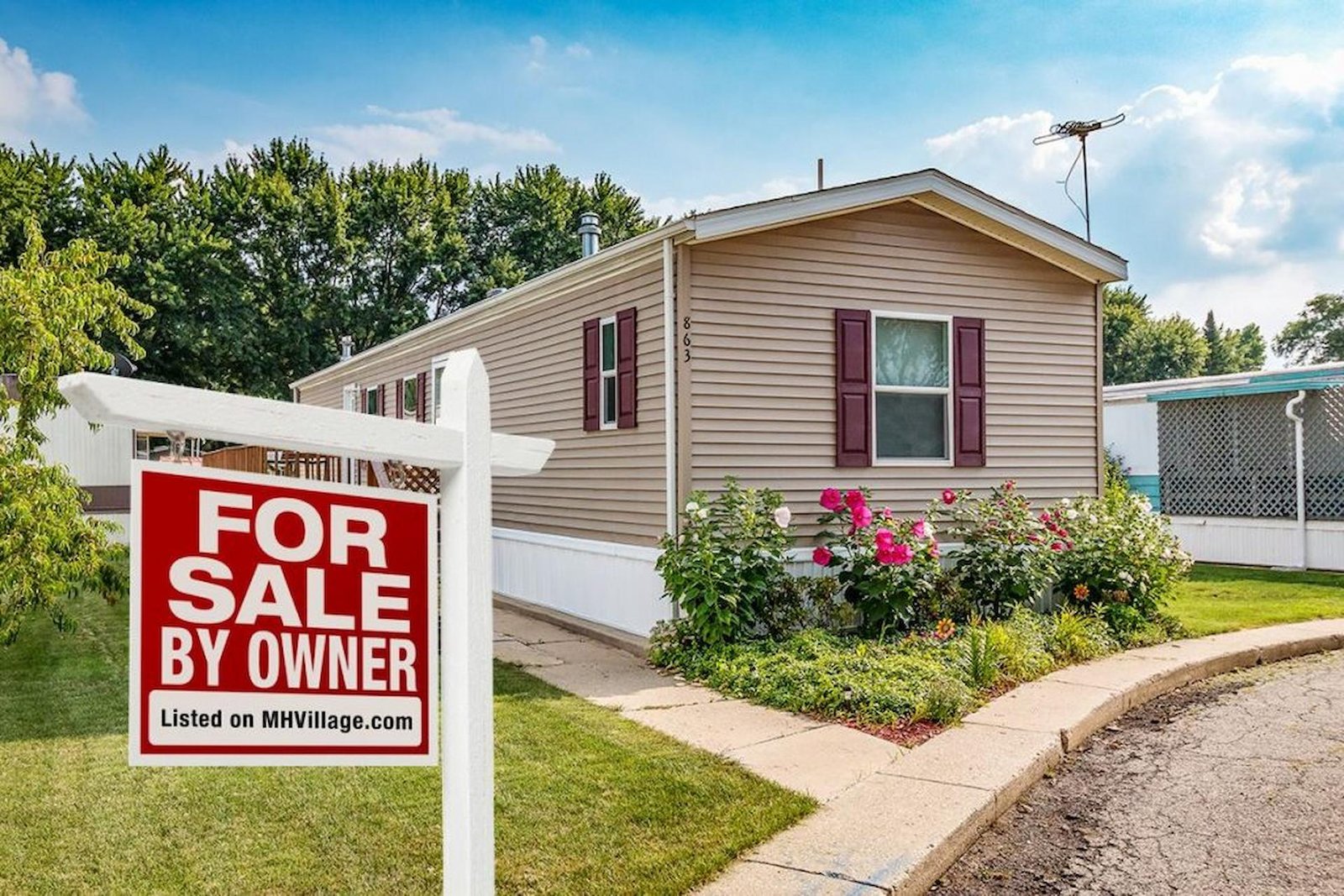
Deciding between a for-sale-by-owner approach or hiring an agent who specializes in mobile homes is a key step. If you have experience with contracts and negotiations, handling the sale yourself can save you money on commissions. However, a professional agent can bring more exposure to your listing, help you set the right price, and manage documentation to reduce risk. Agents can also facilitate communication with potential buyers and help you comply with park or neighborhood regulations.
Preparing Your Mobile Home for Sale
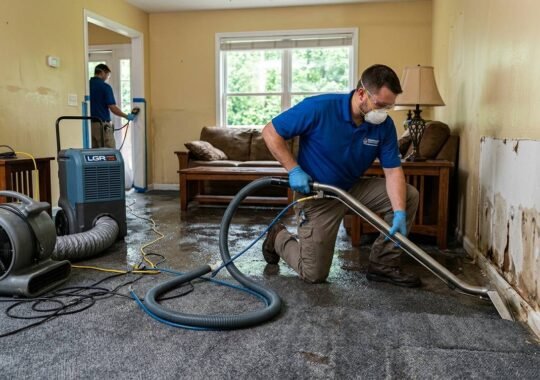
First impressions are critical in real estate, so preparation is a must. Start by making necessary repairs, addressing water leaks, aging appliances, or cosmetic flaws that could deter potential buyers. Clean thoroughly, declutter, and use neutral staging techniques to help buyers visualize themselves in the space. Professional photos and an inviting exterior can further enhance your listing’s appeal. For more on staging and home appeal, the Realtor.com guide on selling mobile homes is a useful resource.
Setting the Right Price
Pricing your mobile home appropriately requires research and honesty about your home’s condition. Unlike traditional homes, mobile homes can depreciate over time, particularly if they are not well-maintained or the land is leased rather than owned. Review recent comparable sales in your area and consider getting a professional appraisal. Setting a price too high could drive buyers away, while going too low may leave money on the table. Accurate pricing is one of the most important elements in ensuring a timely sale that meets your financial goals.
Common Mistakes to Avoid
- Neglecting Legal Requirements: Arizona law has clear guidelines for title transfers, tax clearance, and park regulations. Failing to meet these requirements can stall or even void your sale.
- Overpricing the Home: Emotional attachment or misinformation can lead sellers to overestimate value. Let market data and conditions guide your price.
- Skipping Repairs: Failing to handle repairs before listing can decrease your home’s value or lengthen time on market, sometimes significantly.
Legal Considerations in Arizona
Before selling, check your mobile home park’s rules regarding sales and owner approval, as some communities require management consent or have the right of first refusal. Clear all outstanding taxes and ensure your title paperwork is accurate and up to date for a seamless transfer. If your mobile home is classified as personal property, you may need a tax clearance letter from your county treasurer. Selling a mobile home on leased land also often requires notifying the park and securing approval for the new owner.
Conclusion
Selling a mobile home in Arizona is a manageable process when you are informed and prepared. By understanding your home’s classification, evaluating your selling options, completing necessary repairs, setting a competitive price, and following legal protocols, you can position yourself for a smooth and profitable transaction. Thorough preparation not only streamlines the sales process but also maximizes your return while minimizing stress and legal issues.