Table of Contents
- Urban Driving Challenges
- Rural Driving Hazards
- Defensive Driving Techniques
- Adhering to Speed Limits
- Minimizing Distractions
- Vehicle Maintenance
- Leveraging Technology
- Conclusion
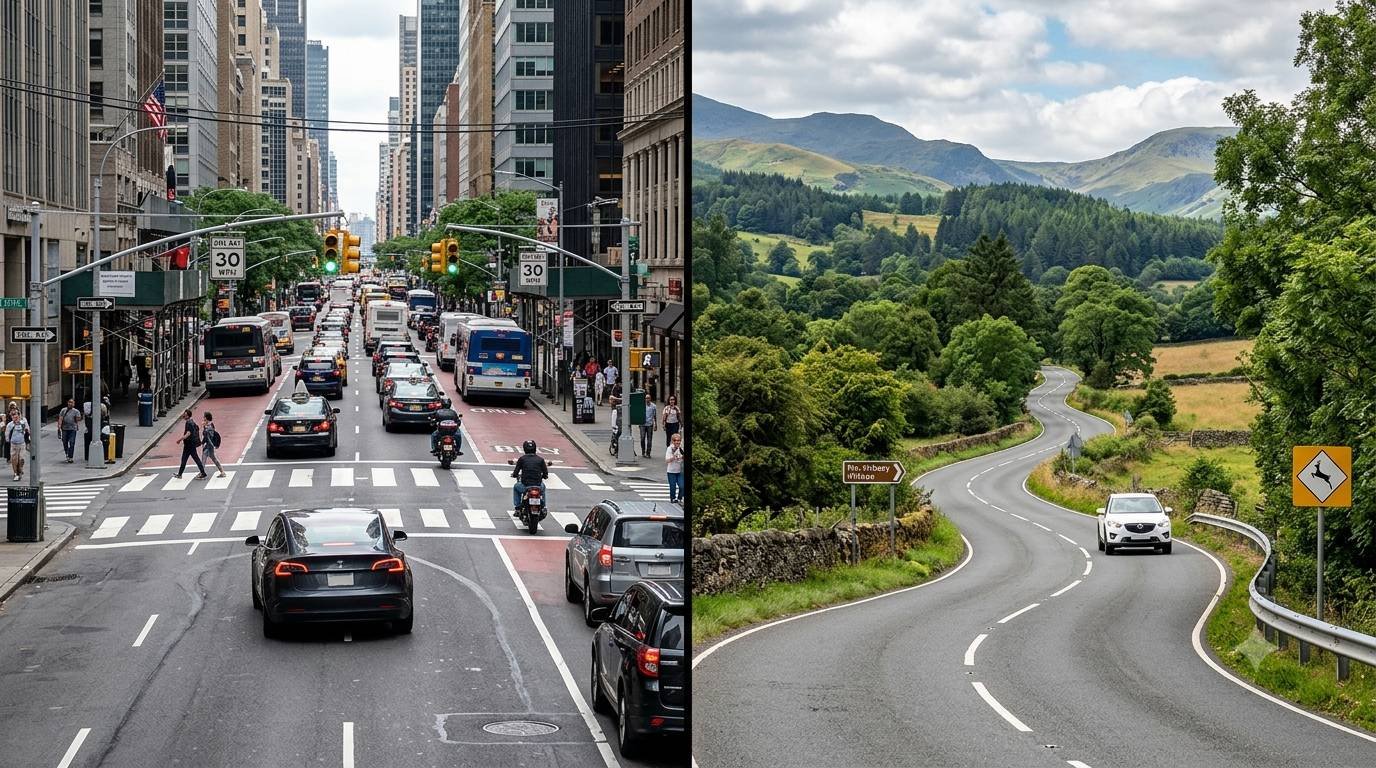
Road safety looks different depending on whether you are driving through a busy city or along quiet rural roads. Urban environments often involve heavy traffic, frequent intersections, pedestrians, cyclists, and stop-and-go conditions, while rural roads may present higher speed limits, limited visibility, sharp curves, and unexpected wildlife crossings. Understanding these unique driving risks can help motorists make safer decisions, reduce the likelihood of accidents, and adapt their driving habits to different road conditions.
Preparing for both urban and rural travel involves more than practicing defensive driving. Keeping your vehicle well-maintained, staying alert to changing weather and traffic conditions, and having appropriate car insurance in Uxbridge are all important parts of responsible vehicle ownership. By recognizing the distinct challenges each setting presents, drivers can improve road safety, protect themselves and others, and enjoy greater confidence wherever their journey takes them.
Urban Driving Challenges
City driving involves heavy traffic, frequent stops, narrow lanes, and constant interactions with bikes, pedestrians, and public transport. Navigating intersections and making lane changes require alertness and quick reactions. Urban areas also feature numerous traffic signals, road signs, and construction zones, all of which demand extra caution. Intersection crashes account for a significant share of urban accidents. Another challenge is dealing with non-motorized users like cyclists and pedestrians, who can be unpredictable, such as stepping into crosswalks or making sudden turns. Being prepared to yield and anticipating their movements can greatly reduce the risk of collisions. Furthermore, parking in confined urban areas typically requires slow maneuvers, which can increase the risk of accidents. Therefore, drivers need to stay patient and alert.
Rural Driving Hazards
While city driving is stressful, rural roads pose unique dangers. Despite carrying only 31% of all vehicle miles traveled, rural roads account for 41% of all traffic fatalities, as noted by the Insurance Institute for Highway Safety. High speed limits are common on these roads, which may lack clear markings, shoulders, or streetlights. Drivers frequently encounter farm machinery moving slowly and must be ready to adjust quickly.
Rural areas also face greater risks from wildlife, especially during dawn and dusk. Animals can dart onto the road unexpectedly, causing severe accidents. The terrain may limit visibility, with hills, curves, trees, or crops obscuring your view. Furthermore, should a crash occur, longer emergency response times increase the seriousness of rural collisions, making proactive safety measures essential.
Defensive Driving Techniques
Defensive driving remains a universal strategy that benefits everyone, regardless of the setting. The foundation of defensive driving is anticipation. Maintaining safe following distances gives more time to react to sudden stops or unexpected road hazards. Checking mirrors regularly and scanning blind spots ensures you are always aware of the vehicles and people around you.
- Keep at least 3 seconds behind the vehicle ahead, increasing the distance during bad weather or poor visibility.
- Constantly scan your road environment, especially at intersections and lane merges.
- Resist the urge to assume other drivers or pedestrians will act as expected. Always be ready for the unexpected.
These habits help drivers handle sudden changes in traffic flow and spot potential hazards before they become dangerous.
Adhering to Speed Limits
Speeding is a contributing factor in more deaths than any other single driving behavior. In cities, going just a few kilometers over the posted speed limit reduces your ability to brake in time for obstacles or new hazards. In the countryside, where speed limits are often higher, drivers face a greater risk of losing control, especially on winding or unpaved roads. Weather conditions such as rain, fog, or snow should prompt drivers to lower their speed even further. Always pay attention to posted signs and adjust for visibility and traction.
Minimizing Distractions
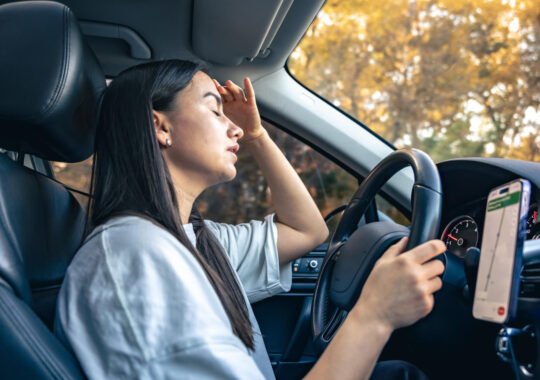
Distractions can turn a manageable scenario into a crisis within seconds. Common distractions include using cell phones, adjusting the radio, eating, or engaging with passengers. According to the Centers for Disease Control and Prevention, distraction is a significant factor in thousands of crash-related injuries and deaths every year. This risk is even more pronounced in busy urban settings where a moment’s inattention can have immediate consequences. Rural drivers are not immune, as wildlife or unexpected road changes can catch them off guard. Staying mentally engaged with the road and using communication devices hands-free can reduce the risk of a distraction-related crash.
Vehicle Maintenance
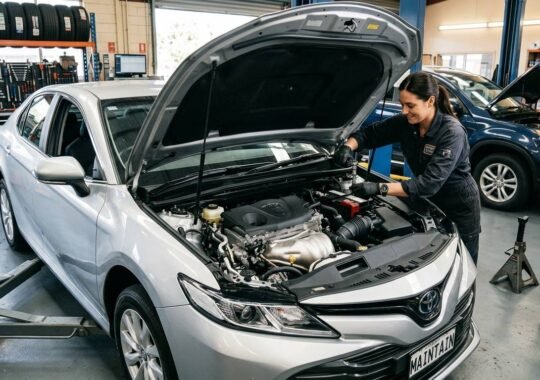
A well-maintained vehicle is more predictable and less likely to encounter sudden mechanical failure. Safety starts with regularly checking your brakes, tires, and lights. Good brakes ensure stopping within a safe distance, while tire checks help prevent blowouts and improve traction. Lighting systems ensure you’re visible to other drivers and can see the road ahead in poor conditions. Routine inspections can detect problems before they become severe, which is particularly important in rural areas with long stretches between service stations.
Leveraging Technology
Modern safety technology is reshaping the driving experience. Advanced features such as lane departure warnings, adaptive cruise control, and automatic emergency braking can compensate for human error and reduce the likelihood of accidents. These systems are particularly useful in busy city environments but also provide benefits on rural roads, where fatigue or inattention may be more likely. Additionally, smartphone apps and monitoring tools help assess driving habits, providing personalized feedback to promote safer driving.
Conclusion
Recognizing and responding to the specific challenges of urban and rural driving environments is vital for all motorists. By staying attentive, practicing defensive driving, maintaining their vehicles, and embracing new technologies, drivers can greatly enhance their own safety and that of others. Proactive, informed actions reduce accident risk and help ensure every journey, whether in the city or the countryside, ends safely.