
Table of Contents
- Understanding Fire Protection Systems
- Regular Inspection and Maintenance
- Integrating Advanced Detection Technologies
- Addressing Challenges in High-Density Storage
- Cybersecurity for Connected Fire Systems
- Compliance with Updated Fire Codes
- Training and Emergency Preparedness
- Conclusion
Ensuring effective fire protection is a top priority for facility managers and property owners. Fire risks can threaten lives, disrupt operations, and cause substantial property loss. Modern buildings require robust, integrated fire protection systems that prioritize both safety and compliance. By implementing industry best practices and leveraging the expertise of trusted partners like Valley Fire Control, you can create safer environments and minimize risk. Protecting people and property is not only a legal requirement but also a moral obligation. Understanding the evolving threats and tailoring fire protection to your facility’s specific needs are central to reducing vulnerability. This means staying up to date on the latest codes, technologies, and risk management strategies.
Understanding Fire Protection Systems
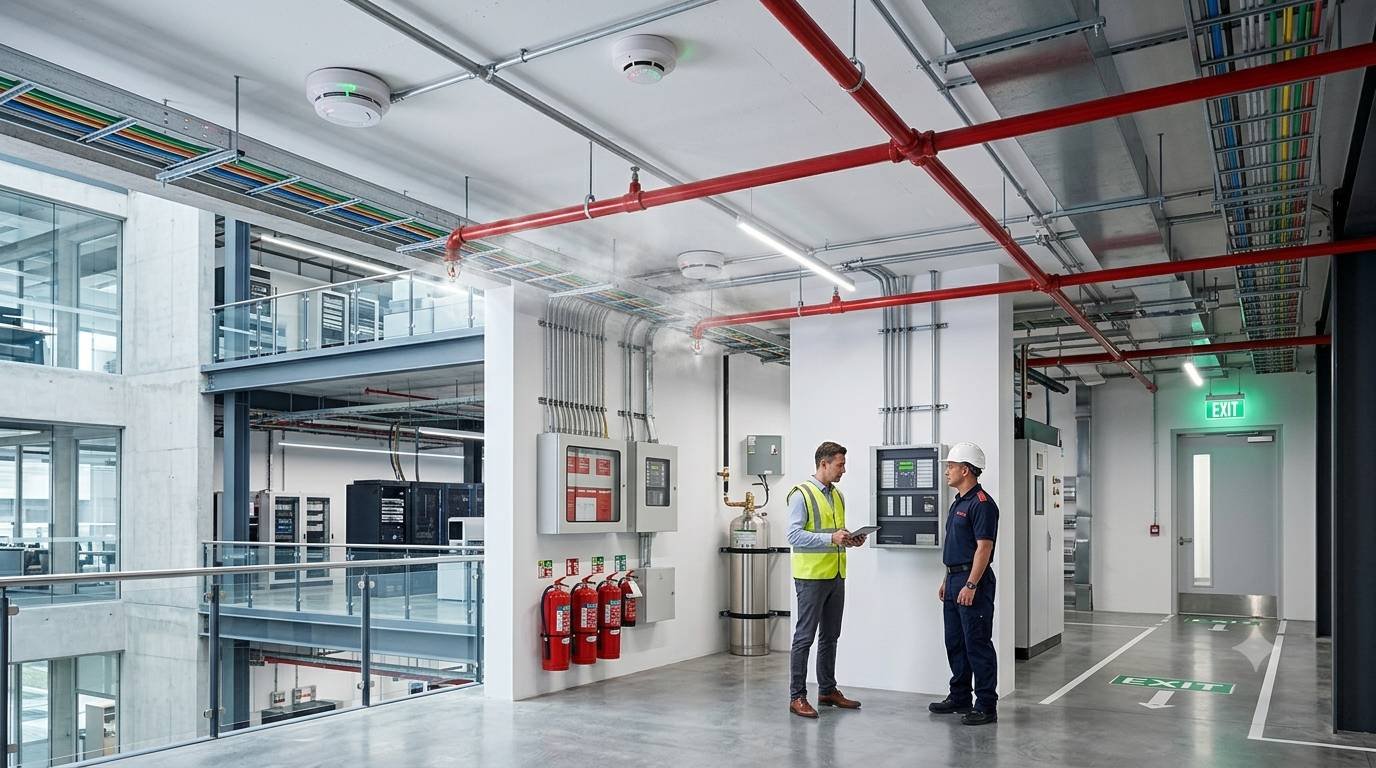
Modern fire protection systems incorporate a range of integrated solutions that detect, control, and extinguish fires. These typically include fire alarm systems, sprinklers, and specialized suppression systems tailored for specific hazards. Choosing the right arrangement depends on your building’s footprint, occupancy, and the materials handled or stored onsite. A holistic approach considers the facility’s unique operations, the potential for rapid fire spread, and the need for early notification and safe evacuation. An effective fire protection strategy results from collaboration between building owners, fire safety engineers, and authorities having jurisdiction, ensuring systems are optimized for performance and aligned with current safety standards. This is especially critical in facilities with high-value assets or complex layouts that complicate emergency response.
Regular Inspection and Maintenance
Consistent inspection, testing, and maintenance (ITM) are essential for reliable fire protection system performance. Following the guidance of the National Fire Protection Association (NFPA) 25, facility managers must ensure all systems are ready to function when needed. Even systems that have passed inspection can fail in emergencies if overlooked details or improper testing methods are present. Routine ITM not only mitigates risk but also ensures documented compliance, helps avoid regulatory penalties, and maintains insurance validity. High-profile incidents have demonstrated how suboptimal maintenance can lead to catastrophic outcomes. Frequent reviews, prompt repairs, and working with certified professionals greatly reduce the risk of fire system failures and their costly consequences.
Integrating Advanced Detection Technologies
Rapid detection is a critical component of modern fire protection. Innovations like Very Early Smoke Detection Apparatus (VESDA) systems and addressable fire alarm panels enable earlier alerts and more targeted emergency responses. These systems detect minute concentrations of smoke, giving valuable minutes for evacuation and fire suppression. Advanced technologies can be integrated with building management systems to provide real-time data, remote monitoring, and proactive maintenance alerts. Early detection technologies greatly reduce property damage and improve life-safety outcomes, especially in large or multi-tenant facilities where traditional detection systems may be slower to signal the presence of a fire.
Addressing Challenges in High-Density Storage
Facilities with high-density storage present unique fire protection challenges. Stacked inventory and narrow aisles can lead to rapid fire growth and limit sprinkler effectiveness. These environments often require enhanced solutions, including Early Suppression Fast Response (ESFR) sprinklers and in-rack sprinkler systems. Specialized designs account for the type of commodities, storage height, and rack configuration to ensure adequate coverage and suppression capabilities. According to a recent NFPA report, failure to account for high-density storage risks can contribute to devastating fire spread. Proper risk assessment and system upgrades are critical to addressing these specialized risks.
Cybersecurity for Connected Fire Systems
As fire alarm systems are increasingly connected to facility networks, cybersecurity cannot be overlooked. The NFPA 72 standard outlines comprehensive requirements for the security of these systems, including network segmentation, the use of secure gateways, and regular firmware updates. Protecting fire systems from cyber threats is necessary because a cyberattack could disrupt alarms, turn off notifications, or prevent remote monitoring. Collaboration with IT departments and security professionals ensures that fire protection systems are included in broader cybersecurity efforts, helping protect critical life-safety infrastructure from evolving digital risks.
Compliance with Updated Fire Codes
Fire protection codes and standards continually evolve to address new building materials, construction methods, and emerging risks. Recent code updates place even greater emphasis on integrating fire protection considerations into the earliest stages of design, ensuring not only that systems perform, but also that they fit seamlessly within the larger building environment. Early engagement with fire protection experts is key to staying compliant as codes change and to avoiding costly retrofits or penalties during inspections.
Training and Emergency Preparedness
Effective fire protection strategies go beyond hardware. Comprehensive staff training and regular emergency preparedness drills are essential. Employees need to understand fire alarm signals, evacuation routes, and how to support those with special needs during an emergency. Clearly posted procedures, accessible evacuation plans, and routine drills foster a culture of safety and ensure coordinated responses in actual emergencies.
Conclusion
Implementing best practices in fire protection is a multifaceted process. It requires a dedication to routine maintenance, the adoption of advanced technologies, strict adherence to the latest codes, and a strong emphasis on occupant preparedness. By proactively managing these aspects and working with reliable fire protection partners, facility owners can significantly reduce the potential impact of fires and uphold the highest standards of safety and compliance.