Key Takeaways
- Prepare the installation site by clearing obstructions both inside and outside your home.
- Verify that your electrical system meets modern air conditioner requirements.
- Check and service existing ductwork to boost efficiency and indoor air quality.
- Take steps to secure pets and inform the entire household about the installation day.
- Communicate with your HVAC contractor for a clear understanding of the installation process.
Table of Contents
- Clear the Installation Area
- Assess Your Electrical System
- Inspect Existing Ductwork
- Secure Pets and Inform Household Members
- Understand the Installation Process
- Schedule Regular Maintenance
- Optimize Energy Efficiency
- Conclusion
Installing a new air conditioning system marks a significant improvement for both comfort and energy efficiency in your home. With careful preparation, you can ensure the process goes smoothly and your new unit delivers the performance you expect. If you are planning an AC system replacement Tucson, AZ, following the right steps ensures fewer disruptions and optimal results.
Making sure your home is ready for installation not only helps technicians work efficiently but also protects your investment and keeps your living space safe during the process. Learn what to do before your appointment, including clearing the work area, inspecting your electrical system, and more, to ensure a trouble-free installation.
Clear the Installation Area
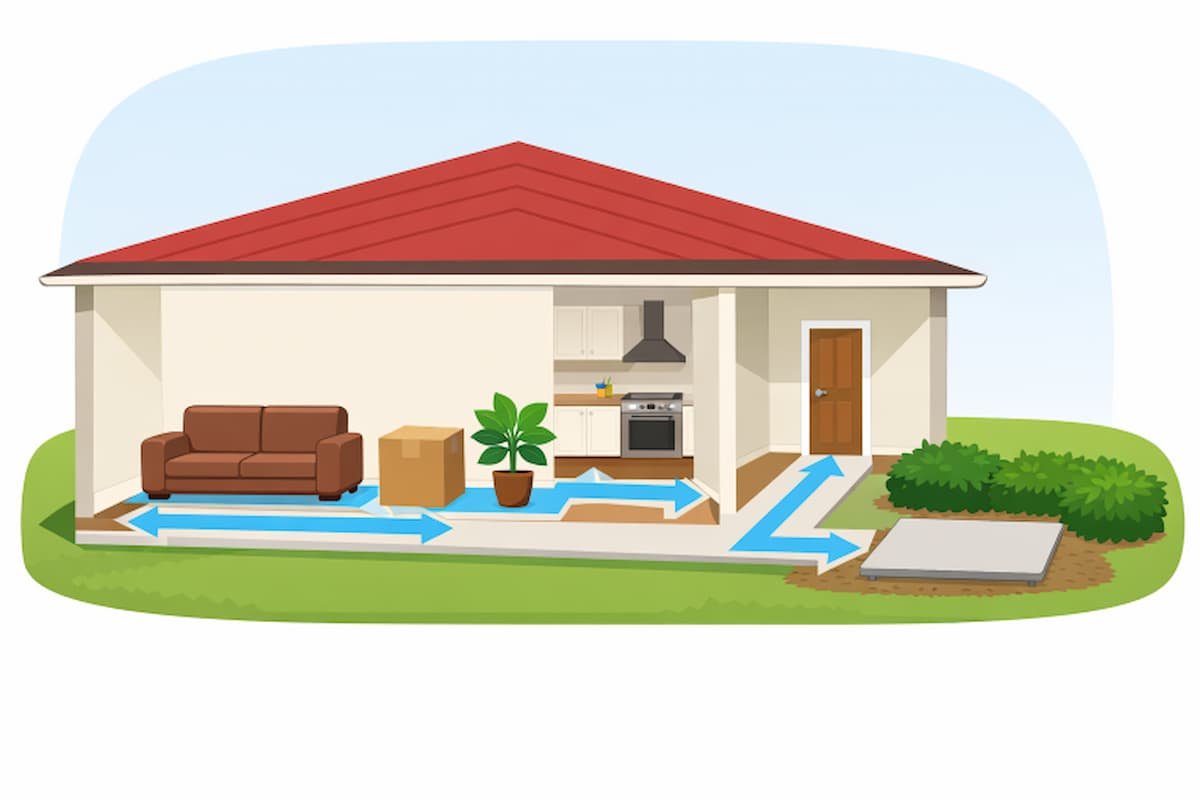
Before installation day, walk through your home to clear the planned installation areas. Indoors, move furniture, personal belongings, and decorations away from the route technicians will use and the spaces designated for the air handler or vents. This protects your possessions from dust or damage and gives the team space to maneuver.
Outside, ensure the area where the condenser unit will be placed is open and free of debris. This might involve trimming back shrubs, raking up leaves, or removing heavy items like garden hoses, bikes, or planters. Even simple steps like clearing the driveway can make access easier on installation day and create a safer worksite for everyone involved.
Assess Your Electrical System
Most modern air conditioning units require updated or properly rated electrical infrastructure. Well before the installation date, have your contractor evaluate your current setup to verify it meets the new system’s specifications for voltage, breaker size, and circuit configuration. Your electrician may need to upgrade your panel or install a dedicated circuit to ensure safe, reliable operation.
This proactive step minimizes installation delays and reduces the risk of electrical problems once your new AC is operational. For more detailed information on electrical system standards for new air conditioners, consult resources such as Consumer Reports’ AC guide.
Inspect Existing Ductwork
Existing ductwork can significantly impact the efficiency of your new air conditioner. Before installation, have a licensed HVAC technician check for leaks, loose joints, and areas requiring new insulation. Addressing these problems improves airflow, maintains even temperatures, and maximizes your new system’s energy efficiency.
Leaky or damaged ducts can allow cooled air to escape into unused areas, causing your new unit to work harder and resulting in higher utility bills. Sealing and cleaning the ducts before installation can not only improve performance but also enhance indoor air quality by reducing dust and allergens. For additional ductwork tips and maintenance strategies, refer to resources such as This Old House’s guide to fixing air duct leaks.
Secure Pets and Inform Household Members
Air conditioner installation can be noisy, with workers frequently coming and going, using ladders, tools, and heavy equipment. To keep everyone safe and minimize stress, arrange for pets to be confined in a room away from the work zones, or consider having someone pet-sit off-site.
Communicate the schedule clearly to all household members. Ensure everyone knows which areas will be off-limits and when, to help avoid accidents or interruptions during installation.
Understand the Installation Process
Every home and installation project is different, but your HVAC contractor should walk you through what to expect, including the estimated time frame, the steps involved, and any special preparations needed for your system. Having a clear understanding helps you coordinate your own schedule and anticipate temporary inconveniences, such as brief power or water shutoffs.
Schedule Regular Maintenance
Once the system is installed, schedule annual inspections and tune-ups. Regular maintenance, including filter changes and professional checkups, helps prevent breakdowns and keeps your air conditioner operating at peak efficiency throughout its lifespan. Many contractors offer maintenance plans that can make ongoing care easier and more affordable.
Optimize Energy Efficiency
After installation, take steps throughout your home to support your new AC system and lower energy costs. This may involve resealing windows and doors, adding insulation to attics or crawl spaces, or installing programmable thermostats. Even simple changes like keeping blinds closed during peak sunlight hours can help maintain comfort and reduce your cooling bills.
The U.S. Department of Energy offers helpful tips and best practices for home cooling systems that can further improve your home’s efficiency.
Conclusion
Preparing your home for air conditioner installation involves taking a series of small but important steps. From clearing the work area and checking your electrical system to fixing ductwork and keeping pets safe, each task helps ensure a smooth and successful installation. By staying informed, taking proactive measures, and scheduling regular maintenance, you can enjoy the full benefits of your new AC system for years to come.