Key Takeaways
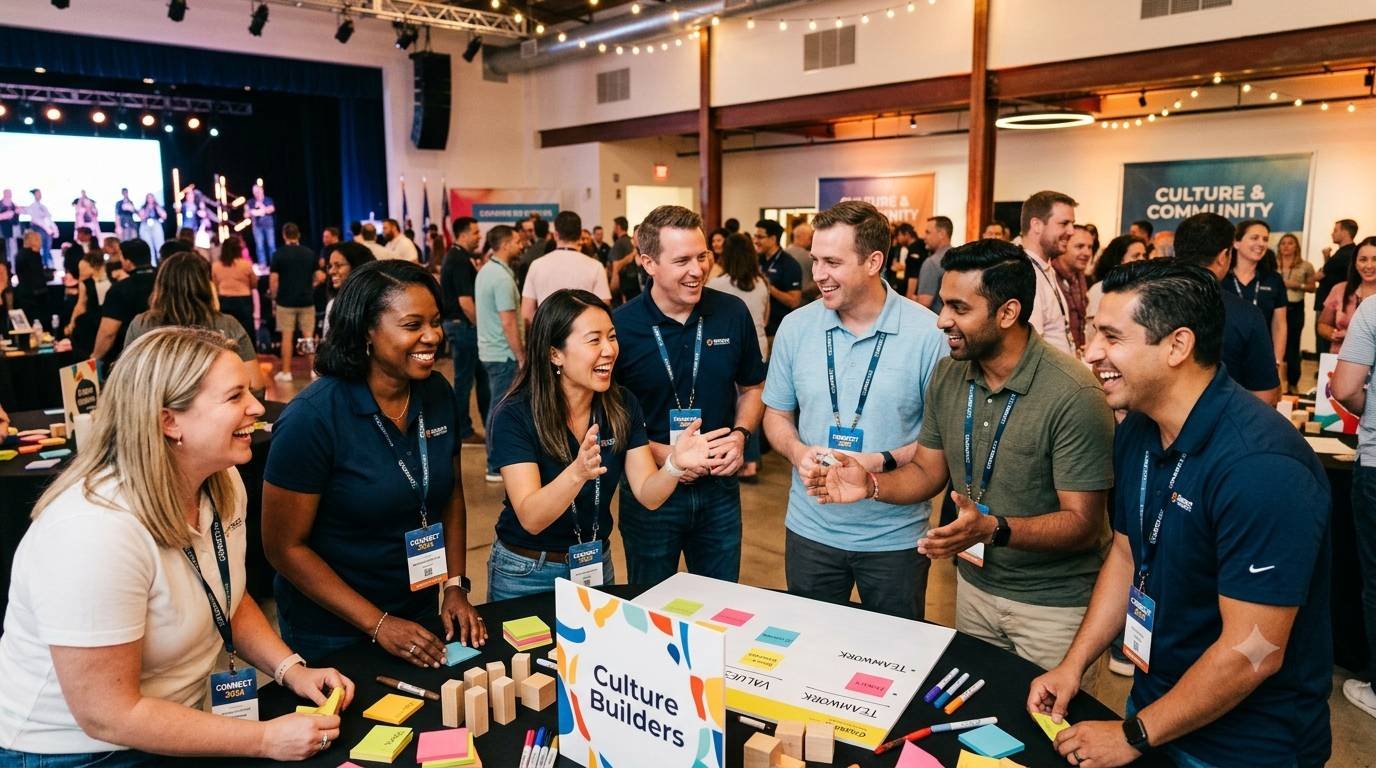
- Live experiences foster deeper employee connections and reinforce company values.
- Shared events can boost employee engagement and retention.
- Incorporating live experiences requires thoughtful planning and alignment with organizational goals.
Table of Contents
- Introduction
- The Power of Shared Experiences
- Case Studies of Successful Live Experiences
- Implementing Live Experiences in Your Organization
- Measuring the Impact of Live Experiences
- Conclusion
In today’s fast-paced corporate world, fostering a strong and cohesive company culture is more crucial than ever. Live experiences have emerged as a powerful method for organizations to bring their teams together, reinforce company values, and strengthen employee connections. When companies invest in events and activities that allow staff to connect in meaningful ways, the benefits include improved morale, greater loyalty, and enhanced productivity. The right entertainment for corporate events not only creates memorable moments but also helps transform the workplace into an environment where people feel valued and involved.
Understanding how to use live experiences strategically can drive business success by aligning employees with a company’s mission and vision. Whether it’s through shared celebrations, team-building activities, or unique company events, these experiences deepen relationships beyond daily tasks. This approach allows employees to form authentic bonds, fostering a sense of unity and purpose that translates into better performance and a happier workforce.
Introduction
Corporate culture is the backbone of any successful organization. It represents the shared beliefs, values, and practices that influence how employees interact, solve problems, and carry out the company’s mission in everyday work. Organizations that prioritize culture tend to attract top talent and retain their best people, leading to better overall performance. More recently, live experiences, immersive events, and activities that bring people together have taken center stage as tools for nurturing an engaged, collaborative workforce.
When companies plan engaging live events or activities, they create opportunities for employees to interact and connect outside of routine work. These shared moments build trust and camaraderie, which are core foundations for a positive company culture. According to the Forbes Business Council, experiences that unite employees around a shared goal or celebration leave a lasting impression that translates into the workplace.
The Power of Shared Experiences
Shared experiences have a proven impact on team dynamics, morale, and engagement. These experiences create narratives that extend beyond standard job responsibilities, allowing employees to relate on a more personal and meaningful level. According to a recent Gallup report, organizations that foster connection and engagement through experiences see better performance and lower turnover rates. When staff participate in collaborative events or company-wide celebrations, it instills pride, encourages open communication, and nurtures a culture of support.
Moreover, such experiences help bridge gaps between departments and levels of seniority, breaking down silos within the company. Employees who engage in shared activities build familiarity and trust, which often leads to smoother project collaboration and a greater willingness to share ideas and feedback. Over time, these relationships lay the groundwork for a more cohesive, agile, and resilient organization.

Case Studies of Successful Live Experiences
Several leading organizations have successfully woven live experiences into their culture, resulting in tangible improvements in growth and retention:
- Authentic Live. This innovative company capitalizes on the experience economy by orchestrating live events with notable celebrities around marquee occasions. Their campaigns are tailored primarily to younger generations, particularly Gen Z, who value unique, shared experiences over material rewards. This approach has helped solidify their audience’s connection to both the company and each other.
- Montage International. In the highly competitive hospitality sector, Montage International faced industry-wide struggles with employee turnover. By rolling out a company-wide ping pong tournament, they offered their team a fun, low-pressure way to connect. The tournament successfully increased employee morale and led to a measurable reduction in turnover rates, highlighting the deep impact of even simple shared experiences.
Implementing Live Experiences in Your Organization
Introducing live experiences into your workplace starts with clear planning and an understanding of your company’s goals and needs. Consider these steps:
- Identify objectives. Establish what you hope to achieve, such as improving teamwork, boosting morale, or increasing overall job satisfaction.
- Choose relevant activities. Align activities with your company’s values and employee interests. These might range from creative workshops and volunteer initiatives to themed social events and team retreats.
- Encourage participation. Promote inclusivity by making events welcoming to staff at all levels and with diverse backgrounds, ensuring everyone feels comfortable and eager to join.
- Gather feedback. After each event, request employee input to gauge impact and identify opportunities for future improvement.
Taking a thoughtful approach ensures that live experiences resonate with your staff and truly enhance your culture. Diversity in event types and regular communication are key to sustained success.
Measuring the Impact of Live Experiences
Evaluating the effectiveness of live experiences is essential to long-term improvement. Focus on several key metrics:
- Employee engagement surveys. Capture before-and-after data on engagement, satisfaction, and alignment with company values.
- Retention rates. Track turnover trends after implementing new initiatives to see if morale-boosting events help retain talent.
- Performance metrics. Examine team productivity, cross-departmental collaboration, and overall output after live experiences.
This ongoing measurement and feedback process ensures your organization’s investment in live experiences continues to yield positive outcomes and guide future efforts.
Conclusion
Live experiences hold remarkable potential to transform how employees connect and collaborate. By thoughtfully designing and executing these events, organizations create a vibrant culture where staff build lasting relationships, align with core values, and deliver their best work. Integrating shared experiences into company routines is an investment that drives engagement, reduces turnover, and builds a foundation for long-term organizational success.