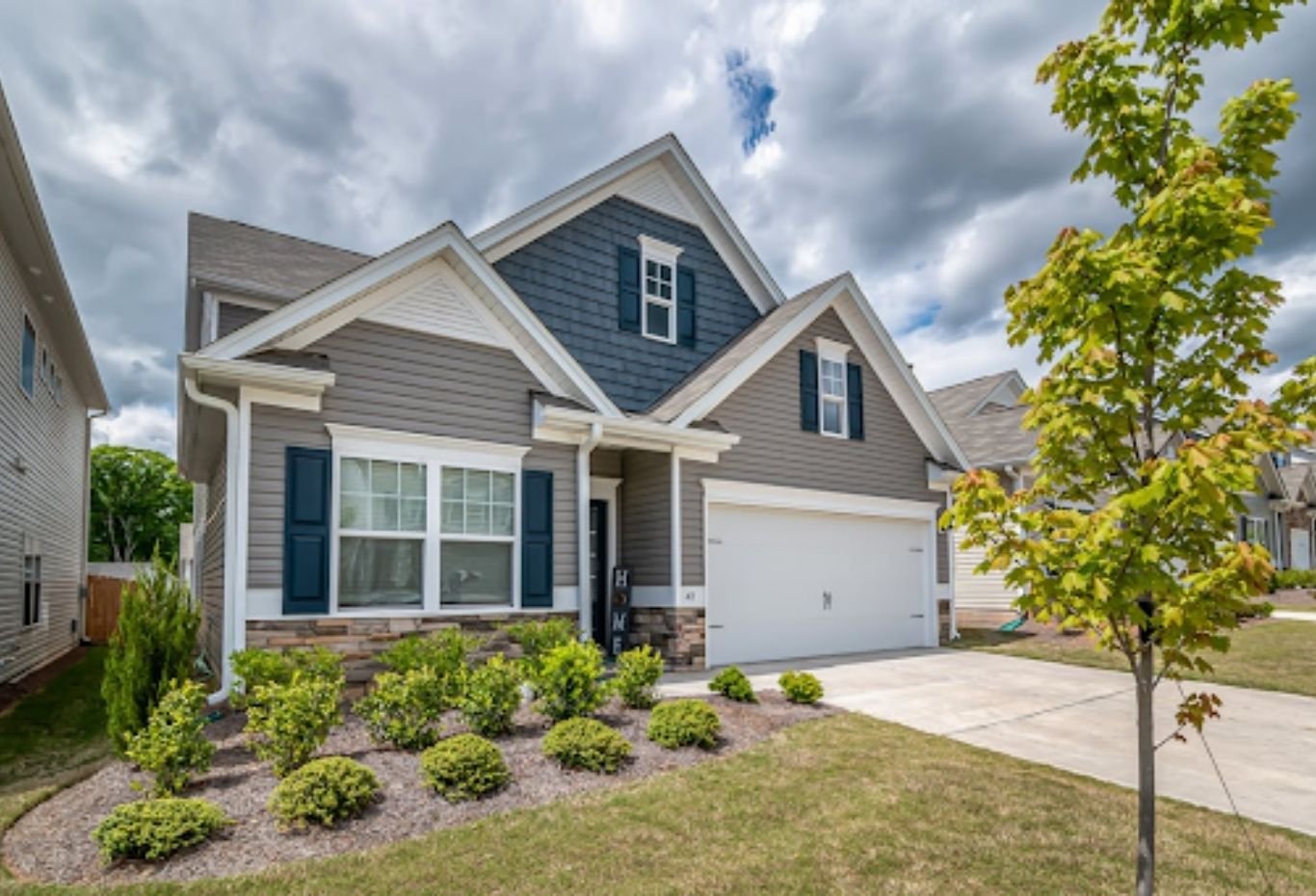
A garage door plays a vital role in protecting your home while also shaping its overall appearance. It serves as one of the largest entry points, making its reliability essential for both security and daily convenience. The condition of your garage door can also influence insulation and energy efficiency, especially in homes where the garage is attached or frequently used.
Regular maintenance can extend a garage door’s life, but it cannot prevent wear forever. Over time, parts begin to weaken, performance declines, and repair needs become more frequent. Homeowners often reach a stage where ongoing fixes no longer make financial or practical sense. Recognizing this shift early helps avoid unexpected breakdowns and ensures your home remains secure and efficient.
Frequent Repairs and Rising Costs: Recognizing the Tipping Point
Ongoing repairs are often the first sign that a garage door is nearing the end of its lifespan. Replacing springs, cables, or rollers occasionally is normal, but repeated service calls can quickly become expensive. When issues keep returning, it often indicates deeper wear within the system that simple fixes cannot resolve.
Many homeowners start weighing repair costs against replacement. In many cases, homeowners begin to consider installing a new garage door to improve reliability and save on long-term repair and energy costs. If you are looking for residential garage door installation service, there are many professionals who have years of experience. Choosing a qualified service provider ensures the new system is installed safely and aligned correctly, helping prevent future issues and supporting consistent performance over time.
Visual Damage and Structural Integrity Issues
Visible damage is not always just cosmetic. Dents, cracks, or warped panels can affect how the door opens and closes, placing strain on the entire system. Even small imperfections may lead to alignment issues that worsen over time, especially with regular use.
In more severe cases, structural damage can weaken the door’s ability to protect your home. Gaps may form, allowing moisture, pests, or drafts to enter the garage. When these problems spread across multiple sections, replacing the door becomes the safest and most effective option.
Safety and Security Standards Have Evolved
Older garage doors often lack the advanced safety features found in modern systems. Many outdated models lack reliable auto-reverse mechanisms or properly functioning sensors, posing risks during operation. These limitations become more concerning for households that rely on their garage daily.
Security has also improved significantly over the years. Newer doors use rolling-code technology that changes access codes with each use, making unauthorized entry harder. Upgrading to a modern system helps protect your property while ensuring the door operates safely and meets current standards.
Operational Noise and Sluggish Performance
Unusual sounds during operation often signal that key components are wearing out. Grinding, squeaking, or rattling noises may point to issues with rollers, hinges, or the opener itself. While lubrication can offer short-term relief, persistent noise usually indicates deeper mechanical problems that require attention.
Sluggish or uneven movement is another warning sign. A door that hesitates, jerks, or responds slowly can place extra strain on the motor and tracks. Over time, this strain increases the risk of sudden failure. Replacing the system ensures smoother operation and reduces the likelihood of inconvenient breakdowns.
Energy Efficiency and Insulation Gaps
Older garage doors often lack proper insulation, which can affect your home’s overall energy performance. When outside air easily enters the garage, it can influence indoor temperatures, especially if the space is attached to the house. This leads to increased heating and cooling demands.
Upgrading to an insulated door helps maintain a more stable environment. Modern options are designed to reduce heat transfer and improve efficiency. This not only lowers utility costs but also makes the garage more comfortable for storage or daily use year-round.
Boosting Resale Value and Curb Appeal
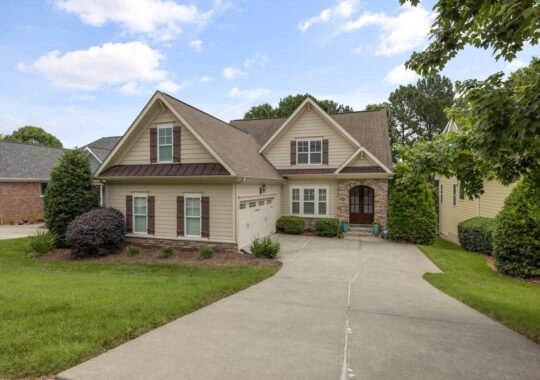
A new garage door can significantly improve how your home looks from the outside. Since it occupies a large portion of the front exterior, its condition directly affects curb appeal. An outdated or damaged door can make the entire property appear less maintained.
Replacing it with a modern design offers an immediate visual upgrade. Buyers often view a new garage door as a sign of proper upkeep, which can increase confidence in the home’s condition. This improvement can also contribute to a higher resale value when it is time to sell.
Making the Right Decision at the Right Time
Recognizing when to replace your garage door comes down to identifying clear warning signs. Frequent repairs, visible damage, outdated safety features, noisy operation, and poor insulation all point toward the need for an upgrade. Addressing these issues early helps avoid larger problems later.
A timely replacement delivers long-term benefits beyond basic functionality. It improves safety, enhances efficiency, and strengthens the overall appearance of your home. Deciding at the right moment ensures peace of mind and adds lasting value to your property.