
Key Takeaways:
- Dental implants offer a permanent solution for missing teeth, enhancing both function and aesthetics.
- They help preserve jawbone health and prevent facial structure deterioration.
- Proper care and maintenance can ensure the longevity of dental implants.
Table of Contents:
- Introduction
- Understanding Dental Implants
- Benefits of Dental Implants
- The Implant Procedure
- Caring for Your Implants
- Potential Risks and Considerations
- Real-Life Success Stories
- Conclusion
Missing teeth can impact daily life by diminishing self-esteem, making eating more difficult, and affecting overall oral health. With the advancement in dental technology, dental implants have become a leading choice for those looking to replace missing teeth with a solution that looks and functions like natural teeth. For anyone who has lost a tooth or several teeth, dental implants offer an innovative, lasting restoration option.
Dental implants are widely regarded as an effective way to regain a complete smile without compromising comfort or appearance. Whether the cause is trauma, decay, or congenital absence, losing teeth can cause ongoing problems if left untreated. This issue extends beyond appearance and can contribute to bone loss, difficulty chewing, and even changes in facial structure over time.
By providing a permanent anchor in the jawbone, dental implants support prosthetic teeth in a way that’s both stable and reliable. The natural look and feel of implants make them preferable to many traditional treatments, such as removable dentures or bridges. As dental science continues to improve, an increasing number of people are seeking implants for long-term oral health.
Choosing dental implants rejuvenates not only the smile but the patient’s confidence and quality of life, restoring full dental function and supporting overall well-being.
Understanding Dental Implants
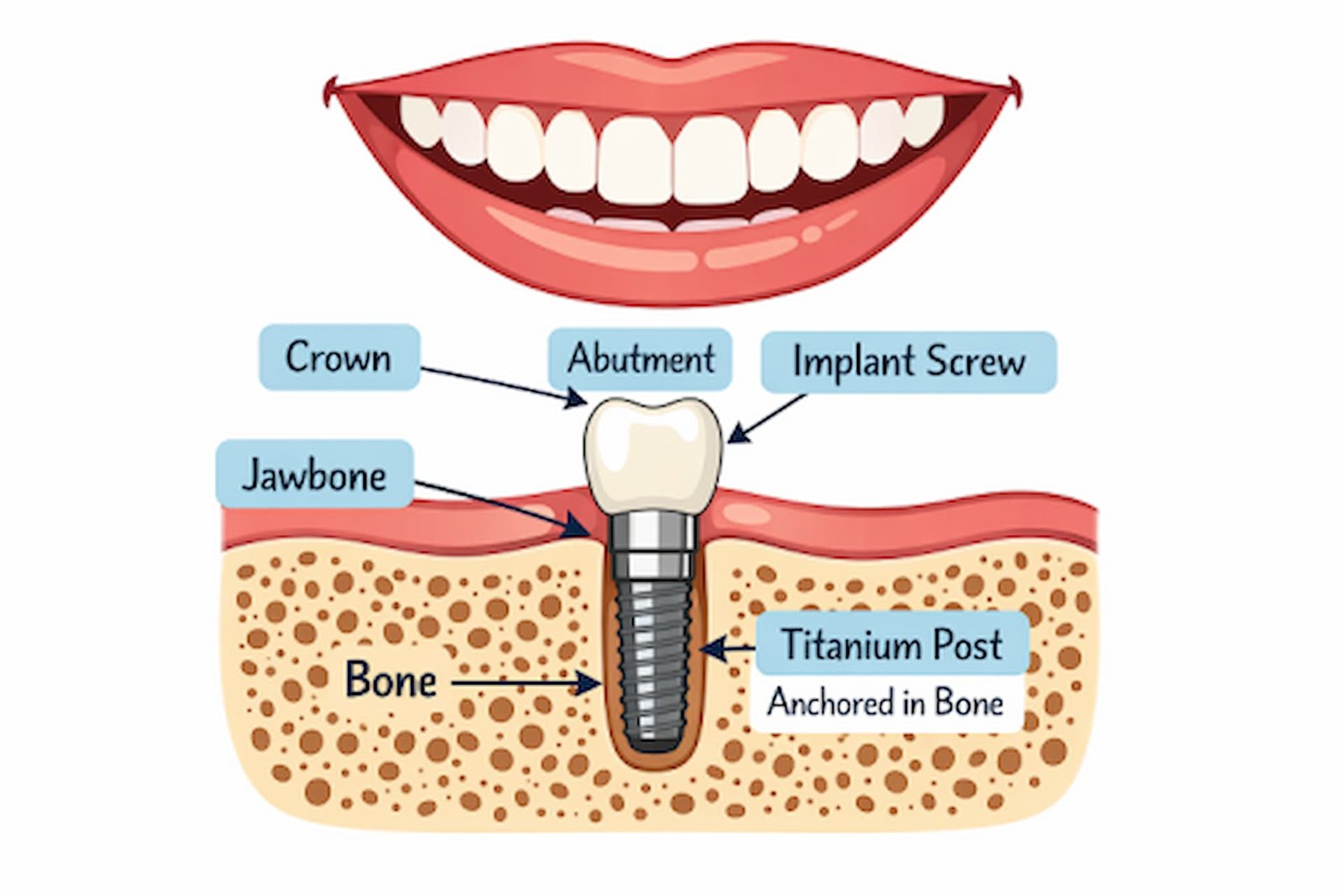
A dental implant is a small, screw-like post made from medical-grade titanium. It is surgically placed into the jaw where a tooth is missing. The implant serves as an artificial tooth root and is designed to bond with the natural bone in a process called osseointegration. Once the implant is securely fused to the bone, it becomes a sturdy foundation for a replacement tooth, bridge, or even a full set of dentures.
This foundational support sets dental implants apart from other restorative options. Since the implant integrates with bone tissue, it minimizes slippage and provides a level of stability that helps patients eat and speak with confidence. The crown (or visible prosthetic tooth) is custom-made for each individual, resulting in a seamless, natural-looking smile.
Benefits of Dental Implants
- Natural Appearance: Dental implants mimic the look and function of real teeth, helping patients feel confident in their smiles. The custom design ensures that each replacement tooth blends perfectly with the surrounding teeth.
- Improved Functionality: Because they are anchored directly into the jaw, implants allow for better bite force and chewing than traditional dentures, which can slip or cause discomfort.
- Bone Preservation: One of the most important benefits is how implants stimulate the jawbone. This helps prevent bone loss, which often occurs when a tooth is missing, and the jawbone is no longer receiving regular stimulation from chewing.
Durability: Dental implants are built to last. With good oral hygiene and regular checkups, many implants last for decades, making them a smart and cost-effective investment for long-term oral health.
The Implant Procedure
Getting dental implants involves a series of planned steps to ensure comfort and successful outcomes for the patient:
- Consultation and Planning: The process begins with a comprehensive evaluation that includes dental imaging, such as X-rays or 3D scans, to determine bone quality and address the patient’s individual needs.
- Surgical Placement: The dental surgeon inserts the titanium implant post into the jawbone under local anesthesia. In some cases, bone grafting may be required to ensure adequate support.
- Healing Period: A period of healing, usually several months, is necessary for osseointegration. During this time, the implant fuses with the jawbone, creating a secure foundation.
- Abutment Placement: A small connector called an abutment is attached to the implant after osseointegration is complete. This abutment will hold the artificial tooth.
- Crown Placement: The final step is the attachment of a custom-made crown or prosthetic tooth, which is shaped and color-matched for a flawless appearance.
The precision and customization of each step contribute significantly to the success and longevity of dental implants.
Caring for Your Implants
Dental implants are designed to last for many years, but proper daily care is essential:
- Brush and floss daily, taking care to clean around the implant.
- Visit your dentist for regular cleanings and examinations.
- Refrain from using teeth as tools or biting hard items that could cause damage.
- Avoid tobacco use, as it can compromise bone integration and healing.
By following these guidelines, patients can maximize the health and function of their implants while protecting their investment.
Potential Risks and Considerations
While dental implants boast a high success rate, certain risks and considerations should be kept in mind:
- Infection at the site of implant placement can occur if aftercare instructions are not followed.
- In rare cases, damage to surrounding nerves, blood vessels, or teeth may happen during surgery.
- Poor osseointegration or an insufficient amount of bone tissue can cause implant failure. Smoking and uncontrolled diabetes are among the factors that increase this risk.
A detailed pre-surgical assessment and honest discussion about your medical history with your dentist are crucial to minimizing these risks.
Real-Life Success Stories
Dental implants have changed countless lives by restoring not only the ability to eat and speak but also self-assurance. For example, Maria, a 52-year-old educator, regained her self-confidence after a dental implant replaced a lost front tooth. She stated, “It looks and feels so natural. I forget it’s even an implant. For the first time in years, I’m not self-conscious about my smile.”
Conclusion
Dental implants have revolutionized restorative dentistry by providing a lasting, stable, and natural-looking solution for missing teeth. Through a careful procedure and a strong commitment to oral hygiene, patients can achieve lifelong benefits in oral health, function, and everyday confidence. When evaluating tooth replacement options, considering dental implants may truly transform your smile and your quality of life for the better.