Introduction
 Commercial property maintenance is more than just fixing what’s broken; it’s the cornerstone of a thriving business and a valuable asset. We understand that neglecting this crucial area can lead to significant problems down the line. It directly impacts your property’s asset preservation and ability to maintain strong tenant retention.
Many property owners and managers find themselves caught in the “reactive maintenance trap.” They wait for issues to escalate, especially with aging infrastructure, before taking action. This approach inevitably inflates operating expenses and can quickly erode profits.
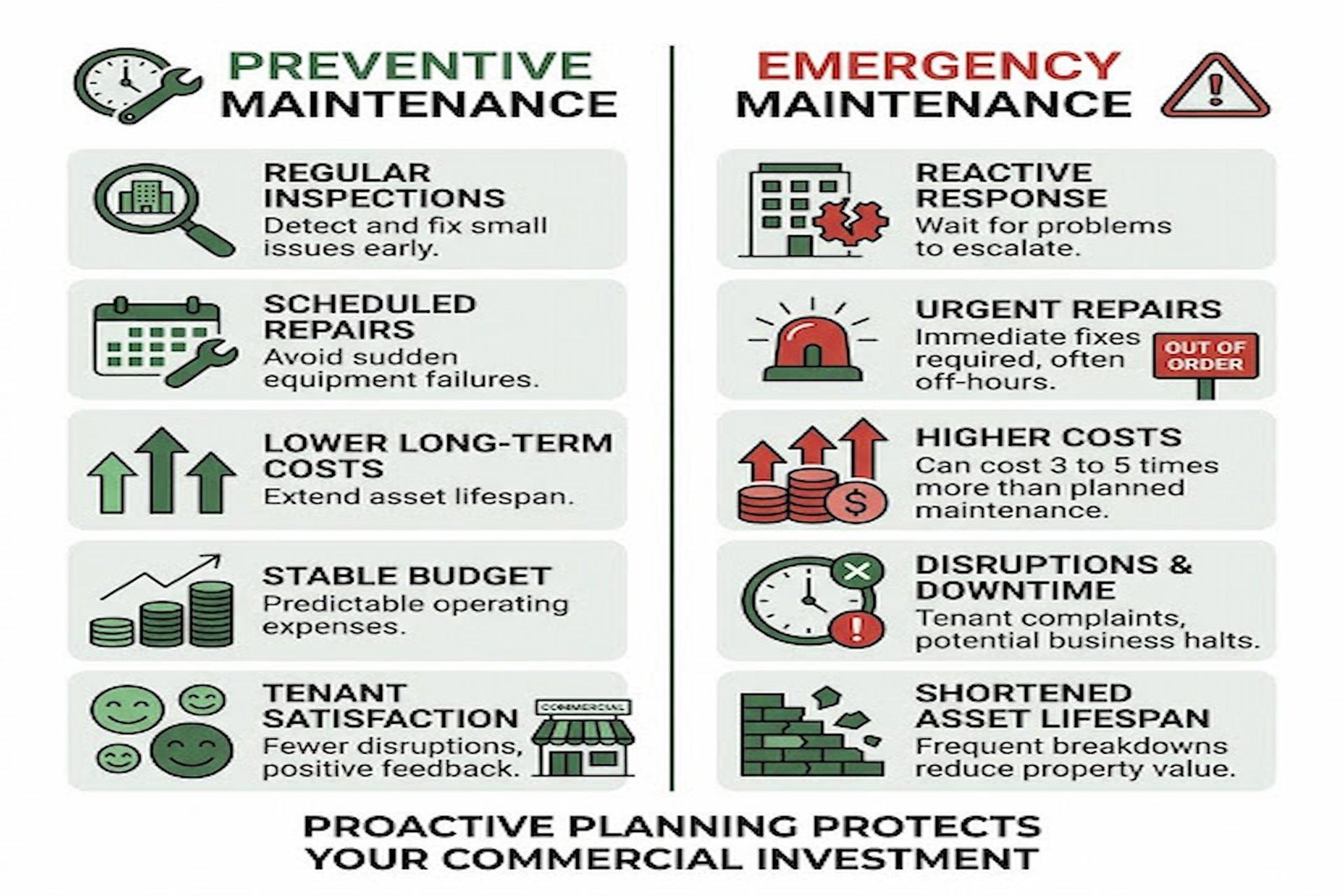
The reality is that emergency repairs can cost anywhere from three to five times as much as addressing issues through planned preventive maintenance. In this comprehensive guide, we will explore how proactive commercial property maintenance can stabilize costs, enhance property value, and ensure long-term success. We will cover various maintenance types, strategic planning, compliance, and the role of technology in modern property management.
The Strategic Framework of Commercial Property Maintenance
Effective commercial property maintenance is not merely a series of chores; it is a strategic imperative that underpins the entire value proposition of a commercial asset. For property owners and managers, understanding its multifaceted importance is the first step toward long-term success. Why is it so essential? Primarily, it’s about safeguarding your investment, ensuring operational continuity, and fostering positive relationships with your tenants.
A well-maintained property directly correlates with higher property value and a robust return on investment (ROI). By proactively addressing wear and tear, we can extend the lifecycles of critical building components and systems, deferring costly capital replacements. Neglecting maintenance, on the other hand, leads to deferred maintenance, which can rapidly diminish property appeal and function. Consider the unique challenges posed by the New Jersey climate, where extreme weather fluctuations can accelerate deterioration if not properly managed.
Our focus on strategic maintenance is designed to optimize operating budgets by moving away from unpredictable emergency expenditures toward planned, predictable costs. The statistics speak volumes: proactive maintenance correlates with an impressive 94% tenant retention rate, a stark contrast to the potential for lease terminations stemming from maintenance-related issues. A property’s professional image and curb appeal are vital first impressions that attract and retain tenants, clients, and customers. Furthermore, implementing energy efficiency measures through diligent maintenance can significantly reduce utility costs, contributing to overall cost-saving strategies.
For those seeking reliable, consistent property care, engaging with experienced providers can be invaluable. Many property owners find peace of mind and enhanced operational efficiency by partnering with a trusted provider, such as a Family-owned commercial property maintenance service, which often brings a personalized touch and deep understanding of local market needs.
Core Categories and Types of Commercial Property Maintenance
To truly master commercial property maintenance, we must first understand its various forms. These categories define the approach and timing of maintenance activities, each playing a critical role in a comprehensive strategy:
- Routine Upkeep: These are the daily, weekly, or bi-weekly tasks that keep a property clean, safe, and presentable. Examples include janitorial services, trash removal, common area cleaning, and basic landscaping.
- Preventive Maintenance (PM): This involves scheduled, proactive actions designed to prevent equipment failure and extend asset lifespan. Think of it like regular oil changes for your car. For commercial properties, this includes quarterly HVAC servicing, annual roof inspections, and scheduled plumbing checks. Implementing preventive maintenance can reduce overall maintenance costs by 12-18% compared to reactive approaches.
- Corrective Maintenance: Also known as reactive maintenance, this addresses issues after they have occurred. While the goal is to minimize this type of maintenance, some breakdowns will inevitably happen. Prompt, efficient corrective action is crucial to minimizing disruption.
- Predictive Maintenance (PdM): This advanced approach uses technology and data analytics to predict when equipment may fail, enabling maintenance to be performed just before a breakdown. IoT sensors, vibration analysis, and thermal imaging are common tools for PdM, enabling more precise and cost-effective interventions.
Let’s illustrate the distinction between preventive and predictive maintenance with a simple table:
Feature Preventive Maintenance Predictive Maintenance Trigger Fixed schedule (e.g., every 3 months, annually) Real-time condition data, sensor readings, analytics Goal Prevent failure, extend lifespan Optimize maintenance timing, avoid unnecessary work Cost Savings Significant vs. corrective Even greater vs. preventive (up to 50% more efficient) Technology Calendars, checklists, basic scheduling software IoT sensors, AI, machine learning, advanced analytics Example Changing HVAC filters every quarter Replacing a motor bearing only when vibration analysis indicates imminent failure Beyond these types, commercial property maintenance encompasses several core areas:
- HVAC Systems: Regular servicing of heating, ventilation, and air conditioning units is paramount for tenant comfort and energy efficiency.
- MEP (Mechanical, Electrical, Plumbing) Coordination: These interconnected systems require expert attention to ensure safety and functionality.
- Building Envelope: Maintenance of the roof, walls, windows, and foundation protects the interior from external elements. This includes structural integrity checks to identify potential issues before they become major problems.
- Janitorial Standards: Maintaining a clean, hygienic environment is crucial to tenant satisfaction and public health.
- Landscaping: Aesthetic appeal and proper drainage are key, and it requires regular care.
- Parking Lot Sweeping and Pressure Washing: These services maintain cleanliness, safety, and the overall professional appearance of exterior spaces.
- Seasonal Check-ups: Adapting maintenance tasks to changing seasons (e.g., winterization, summer AC tune-ups) is essential.
Developing a Commercial Property Maintenance Schedule and Plan
A robust maintenance plan is the blueprint for efficient property management. It translates strategic goals into actionable tasks, ensuring nothing is overlooked. We advocate for a structured approach that incorporates various frequencies:
- Daily Tasks: Focus on cleanliness and immediate safety. This includes emptying trash, cleaning restrooms, inspecting common areas for hazards, and addressing minor spills.
- Weekly Inspections: More thorough checks of high-traffic areas, light fixtures, door functionality, and waste management systems.
- Monthly Safety Tests: Regular checks of emergency lighting, fire extinguishers, and basic plumbing fixtures.
- Quarterly HVAC Servicing: Filter changes, coil cleaning, and system performance checks are vital. Regular HVAC maintenance can reduce tenant complaints by 60%, significantly boosting satisfaction.
- Annual Structural Audits: Comprehensive inspections of the roof, foundation, exterior walls, and major mechanical systems.
Developing Standard Operating Procedures (SOPs) for every repetitive task ensures consistency and quality. Maintenance checklists are invaluable tools that guide staff or contractors through necessary steps. Integrating work order automation via a Computerized Maintenance Management System (CMMS) streamlines request processing, tracking, and resolution, improving efficiency and accountability.
Effective tenant communication protocols are equally important. Keeping tenants informed about scheduled maintenance and expected disruptions, and providing clear channels for submitting requests, can significantly enhance satisfaction.
A critical decision for property managers is balancing in-house maintenance teams versus outsourced services.
- In-house teams offer greater control, faster response to minor issues, and deeper familiarity with the property. However, they require investment in staff, training, and equipment, and may lack the specialized expertise for complex tasks.
- Outsourced services provide access to specialized skills (e.g., HVAC technicians, electricians, plumbers), reduce overheads, and can be more cost-effective for irregular or highly technical jobs. The challenge lies in vendor management, ensuring quality, and negotiating clear Service Level Agreements (SLAs). For specialized services like parking lot sweeping or pressure washing, outsourcing is often the most practical and efficient solution. We recommend a hybrid approach, leveraging in-house staff for routine tasks while outsourcing specialized or large-scale projects to vetted professionals.
Finally, having clear emergency response protocols in place is non-negotiable. This includes contact lists for critical vendors, communication plans, and designated responsibilities for scenarios ranging from burst pipes to power outages.
Compliance, Remediation, and Technological Integration
In the complex landscape of commercial property management, compliance, remediation, and technology are inextricably linked. Navigating regulatory oversight, including NJDEP standards and NJ DOLWD compliance, is crucial for mitigating liability and effective risk management. Beyond meeting legal requirements, integrating advanced technology enables us to operate more efficiently, make data-driven decisions, and support sustainable practices.
Allocating 2-4% of a property’s value annually for maintenance is a common benchmark, but how this budget is utilized can vary significantly. Modern building energy management systems, for instance, can drastically reduce operational costs. Large commercial facilities using energy-efficient air purifiers have reported cutting HVAC energy costs by about $1.2 million per year. This demonstrates the power of smart technology investments.
The IFMA Facility Management Workload Index (FMWI) recorded at +43 highlights the increasing demands on facility managers without a proportional increase in staff. This underscores the need to leverage technology to optimize workflows. IoT sensors, for example, can monitor everything from temperature and humidity to equipment performance, providing real-time data. CMMS platforms then analyze this data, enabling predictive maintenance and informed capital planning. This shift towards data-driven insights not only saves money but also ensures a more sustainable and resilient property.
Addressing Safety, Compliance, and Asbestos Remediation
Safety and compliance are non-negotiable pillars of commercial property maintenance. We must adhere to a myriad of regulations, including OSHA workplace safety standards, NFPA fire codes, and ADA accessibility guidelines, to protect occupants and avoid severe penalties. The International Property Maintenance Code (IPMC) provides a foundational framework for maintaining safe and healthy properties.
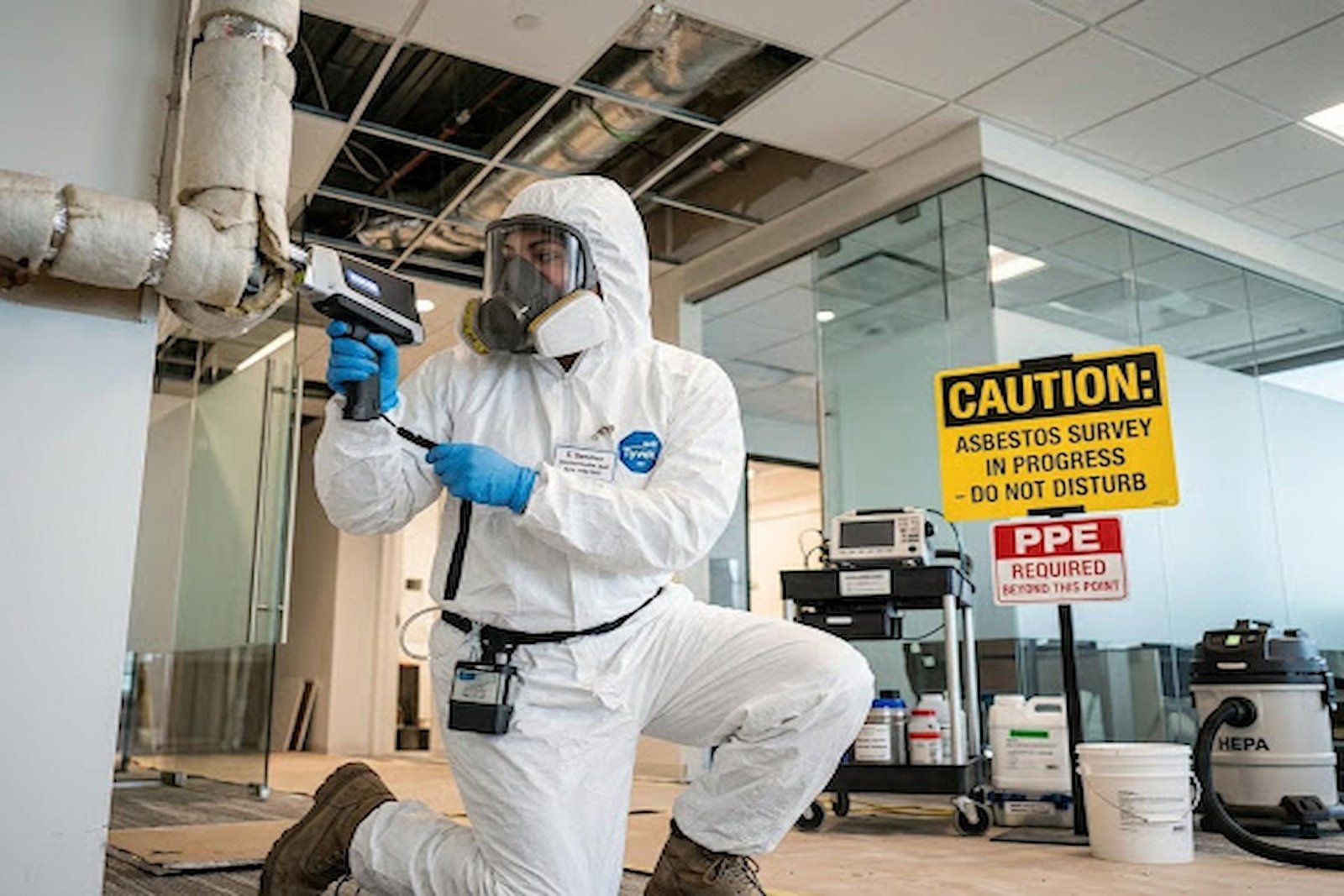
However, some compliance issues require specialized attention, particularly those involving hazardous materials such as asbestos. Many commercial buildings constructed before 1981 contain asbestos in various materials, including insulation, flooring, roofing, and pipe wrap. Disturbing these materials during renovations, demolitions, or even routine maintenance can release microscopic fibers into the air, posing severe health risks like asbestosis, lung cancer, and mesothelioma.
Identifying and safely managing asbestos is a critical aspect of commercial property maintenance and remediation. This typically begins with professional asbestos testing to confirm its presence and assess its condition. If asbestos-containing materials (ACMs) are friable (easily crumbled) or are likely to be disturbed, professional abatement processes are required. This involves specialized techniques for safe removal, containment, and hazardous-material disposal, all in strict compliance with federal, state, and local regulations.
In scenarios involving significant structural changes or the end of life for a commercial property, understanding the nuances of demolition becomes crucial. For example, when considering the comprehensive removal of complex structures, engaging experts in Brick commercial structural steel demolition ensures that projects are executed safely and efficiently, adhering to all environmental and safety protocols. This includes selective demolition, in which only specific parts of a structure are removed, often to facilitate renovation or address localized hazards such as asbestos.
Beyond asbestos, structural remediation might be necessary for aging buildings or those that have experienced damage. This could involve reinforcing foundations, repairing load-bearing walls, or addressing water infiltration issues. Throughout any remediation process, environmental consulting and air quality clearance testing are vital to ensure the property is safe for re-occupancy and to mitigate legal liability. Proactive management of these issues is not just about compliance; it’s about protecting human health and the long-term viability of your investment.
Maintenance Strategies for Diverse Property Types
The “one-size-fits-all” approach doesn’t apply to commercial property maintenance. Each property type presents unique operational demands, tenant expectations, and regulatory requirements that necessitate tailored maintenance strategies.
-
- Office Building Standards: For office spaces, tenant comfort and a professional aesthetic are paramount. This means meticulous attention to HVAC systems to ensure consistent climate control, regular cleaning of common areas and restrooms, and proactive maintenance of elevators and lighting. Energy efficiency upgrades, such as LED lighting and smart thermostats, are highly valued by tenants and contribute to sustainability goals.
- Retail Storefront Accessibility: Retail properties thrive on customer experience. Maintenance here focuses on curb appeal, inviting entrances, and impeccable interior cleanliness. Accessibility is key, requiring regular checks of ramps, automatic doors, and clear pathways to ensure ADA compliance. Parking lot maintenance, including sweeping, striping, and pothole repair, is essential for a positive first impression.
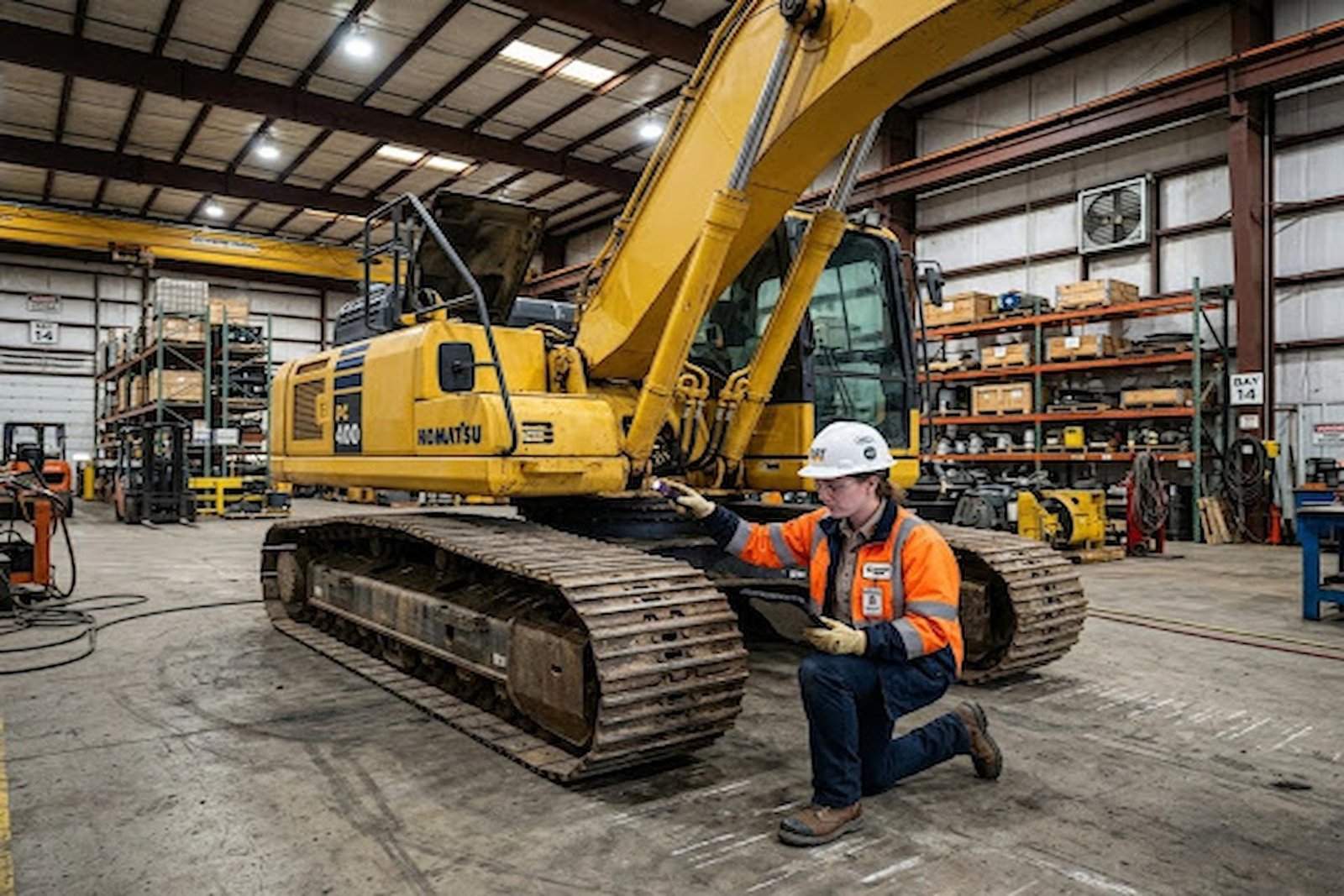
- Industrial Facility Uptime: Industrial facilities, such as warehouses and manufacturing plants, prioritize operational uptime and safety. Maintenance focuses on heavy-duty equipment, robust electrical systems, and secure loading docks. Regular inspections of warehouse floor loading capacity, overhead doors, and specialized machinery are critical. Fire suppression systems and ventilation must be meticulously maintained to meet stringent safety standards.
- Multifamily Common Areas: While not strictly commercial in the traditional sense, multifamily properties share many maintenance challenges, particularly in common areas. Here, the focus is on tenant satisfaction and community appeal. This includes consistent cleaning of hallways, lobbies, and fitness centers, prompt repairs in shared spaces, and well-maintained landscaping. Noise control and efficient waste management are also crucial for the residents’ quality of life.
Regardless of property type, certain elements require universal attention, often intensified by high-traffic wear. Roof moisture surveys and drainage control are vital across all properties to prevent leaks and structural damage. Comprehensive pest control programs are essential for maintaining hygiene and preventing infestations. Effective waste management, including recycling programs, contributes to both cleanliness and environmental responsibility. Finally, maintaining clear signage visibility and ensuring parking garage integrity are crucial for safety, navigation, and overall property functionality. By understanding these distinctions and implementing specialized strategies, we can ensure each commercial property operates at its peak potential.