Key Takeaways:
- Sustainable web design reduces environmental impact by optimizing website performance and energy efficiency.
- Implementing green hosting, efficient coding practices, and user-centric design are key strategies for sustainability.
- Adopting sustainable practices can enhance user experience, improve SEO, and align with corporate social responsibility goals.
The digital revolution has brought countless innovative opportunities for businesses and individuals, but it has also quietly contributed to a rising environmental burden. As more organizations rely on online platforms and digital services, the need to minimize the web’s ecological footprint has never been more pressing. Sustainable web design, which integrates ecological principles with digital development, offers practical solutions for businesses aiming to thrive in a greener economy. This approach empowers organizations to reduce carbon emissions and energy waste while delivering engaging and efficient websites. For those seeking guidance in building future-ready platforms, custom website development services are playing an essential role by prioritizing both user experience and sustainability from the start.
Website development is no longer solely about performance, aesthetics, or features. Modern websites must be efficient, accessible, and mindful of their real-world impact, especially as global internet use continues to grow. Whether a business is launching an e-commerce platform or a personal brand, integrating eco-friendly practices from the earliest planning stages is quickly becoming an industry standard.
Early adoption of sustainable web practices can set organizations apart, drawing in users and partners who increasingly care about environmental issues. By embracing these strategies, companies not only meet contemporary expectations but also position themselves as forward-thinking leaders responsive to the shifting climate of both technology and public consciousness.
The convergence of digital growth and sustainability highlights the importance of a holistic approach. Forward-looking companies realize that sustainable web design is not just an ethical choice but a savvy business move that supports long-term goals and industry credibility. According to a recent study published in the journal Sustainability, even basic improvements to website efficiency can significantly affect the carbon footprint left by every online interaction, underscoring the tangible benefits of this design philosophy.
The web’s contribution to global power usage is considerable, with data centers, server farms, and user devices consuming vast amounts of electricity every second. The environmental cost of delivering media-heavy, poorly optimized websites is especially high, contributing to elevated greenhouse gas emissions. Industry experts note that if the internet were a country, it would rank among the top global energy consumers, rivaling the aviation industry.
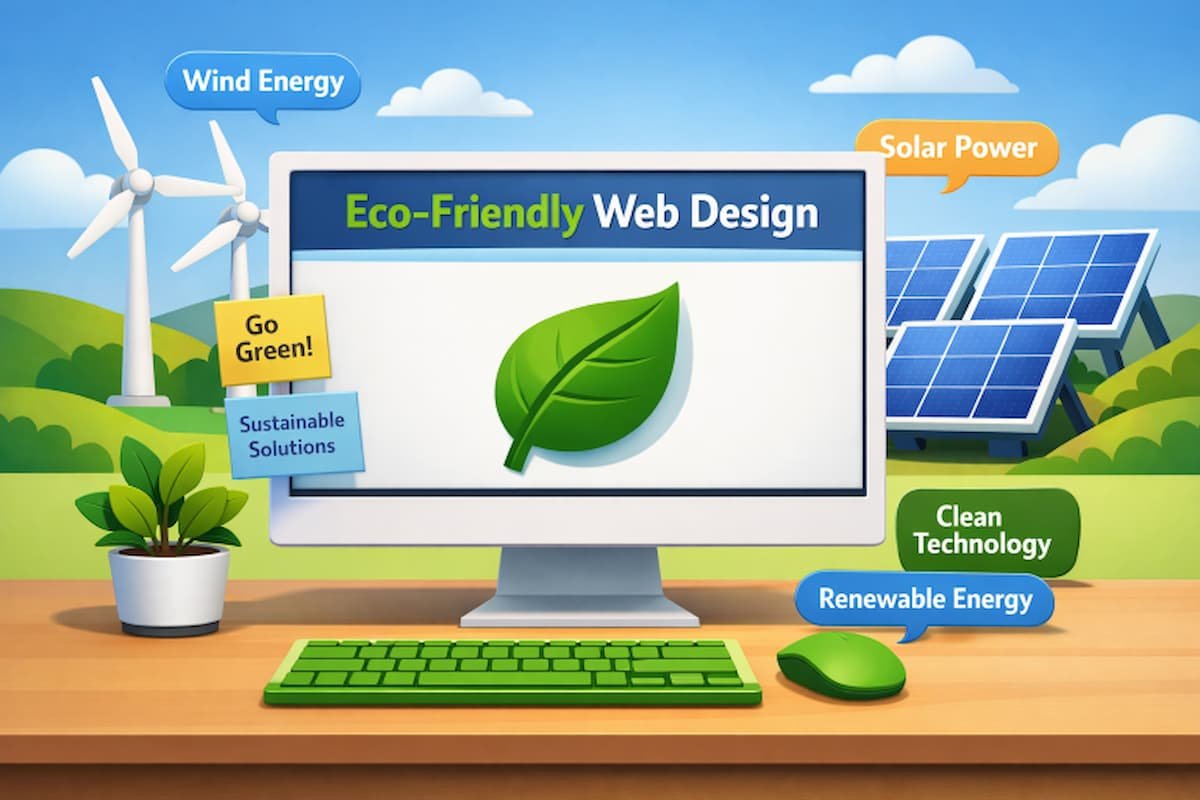
Research on sustainable web design practices has revealed that optimizing digital assets and reducing unnecessary data transfer are two of the most effective ways to minimize environmental harm. For example, compressing images, using efficient servers, and streamlining user experience allow websites to run faster and require less power. The journal Sustainability explored how green web development can curb emissions by simply rethinking how digital content is created and delivered to users.
Key Strategies for Sustainable Web Design
Companies implementing sustainable web initiatives typically rely on several key strategies, which can be integrated into both new and existing digital projects:
- Green Hosting: Opt for hosting providers that use renewable energy sources, such as solar or wind power, and demonstrate ethical data management and cooling techniques in their operations.
- Efficient Coding: Higher-quality, clean, and modular code helps websites run faster and requires fewer resources, minimizing server strain and keeping digital ecosystems streamlined.
- Optimized Media: Compressing images, videos, and graphics is crucial for reducing file size without sacrificing visual quality, which cuts down bandwidth consumption and enhances overall user experience.
- User-Centric Design: Clear navigation, accessible features, and thoughtful layouts help users find what they need faster, reducing unnecessary page loads and resource usage.
Benefits of Sustainable Web Design
Transitioning to more eco-friendly web practices offers several compelling benefits to organizations and their audiences:
- Enhanced User Experience: Clean, efficient websites load faster and feel more responsive, leading to higher satisfaction and increased retention rates.
- Improved SEO: Search engine algorithms reward fast and accessible sites, helping sustainably designed platforms rank higher in relevant search results and attract more organic traffic.
- Corporate Responsibility: Adopting sustainable methods reflects positively on a brand, driving loyalty among environmentally conscious consumers and signaling leadership in a competitive market.
Real-World Examples
Many industry leaders are already reaping the rewards of sustainable web design. For example, tech companies highlighted in TechRadar’s report on climate action have made sustainability a top strategic priority and treat it as fundamental to their digital infrastructure. By converting server farms to renewable energy and compounding energy savings through efficient design, these organizations lead by example and demonstrate how green practices can improve scalability and resilience.
Challenges and Considerations
Despite its many benefits, sustainable web design also presents certain challenges. Designers and developers must navigate the delicate balance between eye-catching visual elements and optimized site performance. Keeping pace with rapidly evolving technology and best practices demands continuous research and skill development. Additionally, not every client or project team is immediately familiar with the value or implementation of sustainable methods, which can require thoughtful education and advocacy from designers and developers.
Conclusion
Sustainable web design has moved from trend status to a necessity for modern organizations. Strategic eco-friendly choices in digital development help companies shrink their carbon footprints, deliver superior user experiences, and build reputations as responsible digital citizens. As users and regulators sharpen their focus on environmental impact, adopting sustainability in web design is the surest path towards a greener, more efficient digital future.