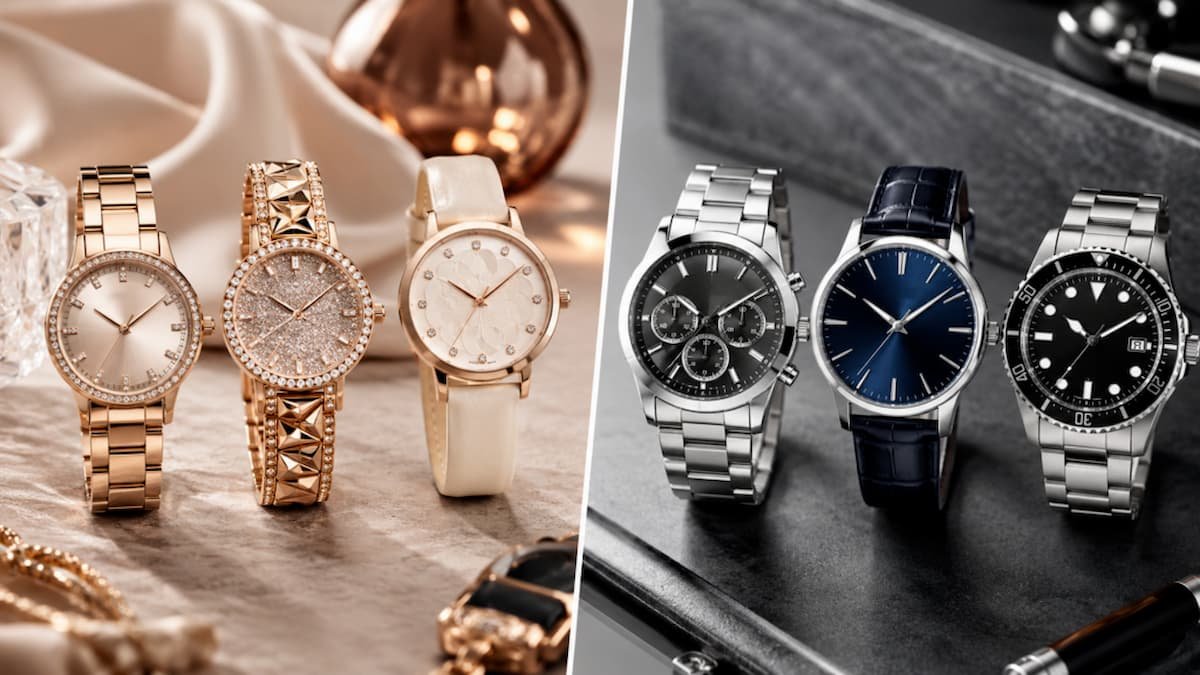
The watch market has evolved far beyond simple timekeeping. Today, watches represent style, craftsmanship, identity, status, and personal taste. For many buyers, the decision often comes down to choosing between designer watches and traditional luxury watches. While both categories offer premium aesthetics and recognizable branding, they differ significantly in craftsmanship, purpose, pricing, heritage, and long-term value.
Modern consumers are increasingly drawn toward fashion-forward accessories that balance elegance with practicality. A Hugo Boss watch, Swarovski watches, or a Burberry watch may appeal to buyers looking for sophisticated styling and everyday versatility, while traditional luxury timepieces often attract enthusiasts focused on mechanical craftsmanship and horological history. Understanding the differences between these categories can help buyers make more informed purchasing decisions based on lifestyle, priorities, and expectations.
Understanding Designer Watches
Designer watches are typically created by fashion houses or lifestyle brands known primarily for clothing, accessories, jewelry, or luxury fashion rather than watchmaking itself. These watches are often designed with aesthetics as the primary focus. The goal is to complement fashion trends, seasonal styles, and personal wardrobes.
Many designer timepieces feature clean dials, polished finishes, crystal embellishments, slim cases, and versatile styling intended for everyday wear. They are commonly produced with quartz movements, which prioritize convenience, affordability, and low maintenance.
One reason fashion watches remain popular is accessibility. They allow consumers to experience luxury branding and premium styling without the significantly higher investment associated with traditional Swiss-made mechanical watches. For many people, this combination of affordability and visual appeal creates strong value.
Designer brands also tend to respond more quickly to evolving fashion trends. Colors, materials, and silhouettes often align with broader movements in fashion and accessories, making these watches appealing to buyers who view a watch as part of an outfit rather than purely as a technical instrument.
What Defines Traditional Luxury Watches?
Traditional luxury watches are generally produced by brands with long-standing histories in watchmaking. These companies often emphasize engineering, mechanical innovation, hand assembly, movement design, and heritage craftsmanship.
Unlike fashion-focused brands, traditional watchmakers usually build their reputations around precision, durability, and horological expertise. Mechanical and automatic movements are common in this category, along with premium materials such as sapphire crystal, ceramic, titanium, and high-grade stainless steel.
Luxury watch manufacturers often invest heavily in movement development, finishing techniques, and long-term servicing support. As a result, these timepieces are frequently positioned not just as accessories but as collectible objects, heirloom pieces, or long-term investments.
Traditional luxury watches may also retain value better over time, particularly from brands with strong collector demand. However, this advantage usually comes with a significantly higher purchase price and greater maintenance requirements.
The Difference in Design Philosophy
One of the biggest distinctions between designer and traditional luxury watches lies in design philosophy.
Designer watches prioritize appearance first. Their designs often focus on contemporary trends, wearable elegance, and broad consumer appeal. They are commonly intended to pair easily with business casual attire, formal outfits, or everyday fashion. Buyers who value visual coordination and lifestyle aesthetics may appreciate this approach.
Traditional luxury watches, on the other hand, often balance aesthetics with technical functionality. While many are beautifully designed, elements such as movement architecture, water resistance, case engineering, and mechanical complications play a much larger role in the product’s identity.
This difference creates an important trade-off. Buyers choosing a designer piece may receive greater fashion versatility at a lower price point, while buyers choosing a traditional luxury model often pay more for craftsmanship, heritage, and engineering complexity.
Neither approach is universally better. The right choice depends largely on how the watch will be used and what the buyer values most.
Price and Accessibility
Price is often one of the most influential factors in the decision-making process.
Designer watches generally occupy a more accessible price range. This makes them attractive to younger professionals, first-time luxury buyers, and consumers seeking premium aesthetics without entering the higher-end watch market. Many fashion-oriented watches provide strong visual appeal while remaining financially attainable.
Traditional luxury watches typically command much higher prices because of their materials, manufacturing methods, mechanical movements, and brand heritage. Buyers are often paying not only for the physical product but also for decades or even centuries of watchmaking expertise.
However, higher prices do not always guarantee greater satisfaction for every consumer. Someone primarily interested in styling, versatility, and occasional wear may find limited practical benefit in spending substantially more on a mechanical luxury watch.
At the same time, individuals who appreciate engineering, long-term ownership, and craftsmanship may consider the higher investment worthwhile.
Movements and Technical Performance
The movement is often considered the heart of a watch, and it represents one of the clearest distinctions between these two categories.
Designer watches commonly use quartz movements. Quartz watches are battery-powered, highly accurate, affordable to maintain, and easy to use. For everyday practicality, quartz technology offers several advantages, including reliability and minimal servicing needs.
Traditional luxury watches frequently feature automatic or mechanical movements. These movements rely on intricate systems of gears, springs, and rotors rather than batteries. Many enthusiasts appreciate the artistry and craftsmanship behind these mechanisms.
Mechanical watches, however, require more maintenance. They may need periodic servicing, are generally less accurate than quartz models in day-to-day performance, and can be more delicate. This creates another trade-off between convenience and craftsmanship.
For consumers prioritizing precision and low maintenance, quartz designer watches may be more practical. For those interested in traditional watchmaking artistry, mechanical luxury watches often carry stronger emotional and collector appeal.
Fashion Versatility vs Heritage Value
Designer watches often excel in versatility. Because they are closely tied to fashion trends, they may integrate more naturally into modern wardrobes. Their slimmer cases, trend-conscious finishes, and jewelry-inspired styling make them especially popular among consumers looking for adaptable accessories.
Traditional luxury watches sometimes lean toward timelessness rather than trend responsiveness. Many iconic luxury designs remain relatively unchanged for decades. This consistency helps preserve brand identity and long-term value, but it may feel less fashion-driven to some buyers.
The challenge for consumers lies in balancing trend relevance with longevity. A highly fashionable watch may align perfectly with current styles but could feel dated over time. Conversely, a timeless luxury design may offer enduring sophistication but appear more conservative or understated.
Brand Identity and Consumer Perception
Brand perception plays a major role in purchasing decisions.
Designer labels often benefit from strong recognition within the broader fashion industry. Buyers may already associate these brands with clothing, handbags, footwear, fragrances, or jewelry. As a result, purchasing a watch from a familiar fashion brand can feel approachable and lifestyle-oriented.
Traditional luxury watchmakers build their reputations differently. Their identities are typically rooted in craftsmanship, technical mastery, and horological credibility. For enthusiasts, the prestige associated with these brands often stems from watchmaking achievements rather than fashion influence.
This distinction can influence how the watch is perceived socially. Designer watches may communicate style-conscious sophistication, while traditional luxury watches may signal appreciation for craftsmanship and heritage.
Again, neither preference is inherently superior. Consumer goals and personal identity largely determine which category feels more meaningful.
Durability and Long-Term Ownership
Durability is another important factor to consider.
Traditional luxury watches are often engineered for long-term ownership. Many are designed to last decades when properly serviced. High-end materials such as sapphire crystal and ceramic components contribute to their longevity.
Designer watches can also be durable, but their priorities may lean more heavily toward style and affordability. While many offer excellent build quality for daily wear, they are less commonly positioned as heirloom products.
Long-term maintenance is another consideration. Servicing mechanical luxury watches can become expensive over time, whereas replacing batteries or minor repairs on quartz fashion watches is generally more affordable.
Consumers should think realistically about how they intend to use the watch. Someone seeking an everyday style accessory may prioritize convenience over generational durability. In contrast, collectors or enthusiasts may value long-term craftsmanship more highly.
Emotional Value and Personal Satisfaction
Watches often carry emotional significance beyond their practical function. Some people buy watches to celebrate milestones, commemorate achievements, or express personal style.
Designer watches frequently appeal emotionally through aesthetics and fashion identity. Buyers may enjoy the confidence that comes from wearing a polished, elegant accessory that complements their lifestyle.
Traditional luxury watches often generate emotional value through craftsmanship, heritage, and collectibility. Owners may appreciate the intricate mechanics, history, and artistry behind the timepiece.
The challenge is that emotional value is highly subjective. A buyer who values modern style and versatility may derive more satisfaction from a fashion-oriented watch than from an expensive mechanical model. Conversely, an enthusiast passionate about horology may feel greater connection to a traditional luxury piece.
The Influence of Lifestyle
Lifestyle should play a central role in choosing between these categories.
Professionals seeking versatile accessories for office wear, social events, and daily use may prefer designer models because of their flexibility and contemporary styling. These watches often integrate seamlessly into modern wardrobes without requiring extensive knowledge of watchmaking.
Frequent travelers, collectors, or enthusiasts may gravitate toward traditional luxury watches for their craftsmanship and prestige. Some buyers also appreciate the ritual associated with mechanical ownership, including winding, servicing, and collecting.
Budget, wardrobe preferences, maintenance expectations, and long-term goals should all influence the decision.
Sustainability and Conscious Consumption
As consumer awareness around sustainability increases, buyers are paying closer attention to production practices, material sourcing, and long-term consumption habits.
Traditional luxury watches may offer sustainability advantages through longevity and repairability. A well-maintained mechanical watch can last generations, potentially reducing waste associated with frequent replacement.
Designer watches, however, may align better with consumers seeking affordability and practical daily wear without large financial commitments.
The broader challenge facing the industry involves balancing fashion cycles with responsible consumption. Buyers should consider not only initial cost but also long-term ownership, repair potential, and product lifespan.
Which Type of Watch Is Right for You?
There is no universal answer to whether designer watches or traditional luxury watches are better. The ideal choice depends on personal priorities, lifestyle needs, and purchasing goals.
Designer watches may be the better option for consumers who value:
- Fashion versatility
- Affordable luxury
- Everyday practicality
- Modern styling
- Lower maintenance
Traditional luxury watches may suit buyers who prioritize:
- Mechanical craftsmanship
- Heritage and prestige
- Long-term collectibility
- Technical innovation
- Heirloom potential
For many consumers, the best decision involves balancing aesthetics, practicality, budget, and emotional value rather than focusing solely on prestige or technical specifications.
Final Thoughts
The modern watch industry offers a wider range of choices than ever before. Designer watches provide accessible elegance, trend-conscious styling, and practical everyday wear, while traditional luxury watches emphasize craftsmanship, heritage, and engineering excellence.
Both categories serve different purposes and appeal to different types of buyers. Understanding the trade-offs between fashion appeal, technical sophistication, maintenance, price, and long-term value can help consumers make more confident and informed decisions.
Ultimately, the right watch is the one that aligns most naturally with your lifestyle, priorities, and personal sense of style.