
The Foundation of Health and Athletic Performance
Achieving peak athletic performance goes far beyond intense training sessions. It hinges on a delicate balance of physical, mental, and emotional well-being. We often focus on sweat and grit, but the real secret lies in a holistic approach to our bodies and minds.
Understanding the deep connection between our overall Health and Athletic Performance is key. It helps us unlock our full potential, both on and off the field. This guide explores how every aspect of our health contributes to athletic success.
In this extensive guide, we will explore the science behind athletic success. We will look at proper nutrition, smart training, and vital recovery techniques. We will also cover the crucial role of mental well-being. Join us as we uncover how to optimize health for lasting performance.
Athletic performance isn’t just about raw talent or countless hours of practice; it’s fundamentally built upon a robust foundation of general health. This encompasses not only physical prowess but also mental fortitude and emotional stability. Think of your body as a high-performance vehicle: without a well-maintained engine, a skilled driver, and a clear roadmap, even the most powerful car won’t win the race. Similarly, an athlete’s physical well-being, including cardiovascular fitness, muscular strength, and flexibility, serves as the primary engine. When this engine is running optimally, it supports higher training loads, faster recovery, and a reduced risk of injury.
Beyond the physical, mental and emotional health act as the skilled driver and navigator. Stress, anxiety, and emotional imbalances can significantly derail an athlete’s ability to focus, make split-second decisions, and execute complex movements. A holistic approach, which recognizes the interdependence of these elements, is paramount for sustained athletic success. For instance, robust physical health can enhance mental resilience, while a positive mental state can improve physical recovery and performance. This integrated view represents a paradigm shift in sports medicine, moving from merely treating injuries to proactively fostering comprehensive well-being. For a deeper dive into how general health underpins athletic capabilities, you can explore resources that discuss the broader context of sports and human performance across all ages.

The Role of Mental Health in Physical Success
The mind-body connection in sports is undeniable. While physical training targets muscles and cardiovascular systems, mental and emotional well-being are often the hidden determinants of peak performance. Stress, anxiety, and even everyday emotional fluctuations can profoundly impact an athlete’s ability to perform. For example, excessive stress can lead to muscle tension, poor decision-making, and increased susceptibility to injury. Conversely, a calm, focused mind can enhance reaction time, improve accuracy, and allow an athlete to stay resilient under pressure.
Mental skills training, such as visualization, mindfulness, and goal setting, are becoming increasingly vital components of an athlete’s regimen. These techniques help athletes manage performance anxiety, maintain focus during critical moments, and bounce back from setbacks. When an athlete feels emotionally stable and mentally prepared, they can access their physical capabilities more effectively. This synergy between mental and physical states is crucial for optimizing athletic performance, as highlighted in various studies on the role of training, nutrition, and recovery.
Fueling the Body: Nutrition and Hydration Strategies
Nutrition and hydration are the cornerstones of athletic performance and recovery. They provide the essential fuel and building blocks that enable the body to train, adapt, and repair. Without proper fueling, even the most rigorous training program will yield suboptimal results.
Carbohydrates are the primary energy source for athletes, especially during high-intensity and prolonged activities. They are stored as glycogen in the muscles and liver, providing readily available fuel. For athletes, approximately half of all daily calories should come from carbohydrates to maintain these vital glycogen stores. Consuming carbohydrates before and during exercise helps sustain energy levels, while post-exercise intake is crucial for replenishing depleted stores and aiding recovery.
Proteins are indispensable for muscle repair, growth, and overall tissue maintenance. They provide the amino acids necessary for muscle protein synthesis (MPS). While many believe that athletes need excessively high protein intake, most Americans already consume almost twice as much protein as needed for muscle development. A balanced diet with adequate protein, typically around 1.2 to 1.7 grams per kilogram of body weight for active individuals, is usually sufficient. Excessive protein intake can even place an added burden on the kidneys and may be stored as body fat rather than converted to muscle.
Fats are a concentrated source of energy and play critical roles in hormone production, nutrient absorption, and cellular function. Healthy fats, such as those found in avocados, nuts, and olive oil, are essential for overall health and provide sustained energy for longer-duration activities.
Here’s a general overview of macronutrient roles:
Macronutrient Primary Role Recommended Daily Percentage (Approx.) Carbohydrates Primary energy source, glycogen storage 45-65% Proteins Muscle repair & growth, tissue maintenance 10-35% Fats Energy, hormone production, nutrient absorption 20-35% Hydration is arguably the most overlooked nutrient. Athletes can lose several liters of sweat in an hour of vigorous exercise, making fluid replacement critical. Dehydration, even at a modest level (2% of body mass), can significantly impair performance, leading to fatigue, reduced strength, and impaired cognitive function. For comprehensive insights into how proper nutrition fuels performance and recovery, refer to the detailed review on the Role of nutrition in performance enhancement and postexercise recovery.
Evidence-Based Supplementation and Ergogenic Aids
The world of dietary supplements for athletes is vast and often confusing. While many products claim to boost performance, only a select few have strong scientific evidence to support their efficacy, and even then, they are typically recommended as an adjunct to an already balanced diet, not a replacement. A well-balanced diet providing sufficient protein, calories, fruits, and vegetables usually trumps the benefits of most supplements.
Statistics show that supplement use is widespread: 75% of college athletes and almost 100% of bodybuilders use at least one performance-enhancing dietary supplement. However, the benefits are often limited.
Key supplements with evidence-based benefits include:
- Creatine: This supplement is well-researched and can enhance power and speed in short, anaerobic activities like high-intensity interval training or weightlifting. It aids in the rapid regeneration of ATP, the body’s immediate energy currency.
- Caffeine: A potent stimulant, caffeine effectively boosts endurance by stimulating fat burning and sparing glycogen stores. A safe amount for most people is 200 to 400 milligrams consumed 30 to 60 minutes before exercise. It can also improve focus and reaction time, even in areas like e-sports.
- Nitrates (e.g., Beetroot Juice): Nitrates can improve exercise efficiency by reducing the oxygen cost of exercise, potentially enhancing endurance performance.
- B Vitamins: While not direct performance enhancers, B vitamins are crucial for energy metabolism. If an athlete’s diet is uncertain or restricted, a daily generic multivitamin can serve as inexpensive and safe insurance for B vitamin needs.
It’s crucial to approach supplementation with caution. The supplement industry is not as tightly regulated as pharmaceuticals, leading to risks of contamination or inaccurate labeling. Athletes must also be aware of the World Anti-Doping Agency (WADA) “strict liability” policy, meaning they are responsible for any substance found in their body, regardless of intent. For a broader understanding of how diet impacts performance, including supplementation, delve into “From Plate to Performance: The Impact of Diet on Exercise Performance and Recovery” for further insights into athletic nutrition. Always consult with a healthcare professional or registered dietitian before introducing new supplements.
Hydration and Electrolyte Management
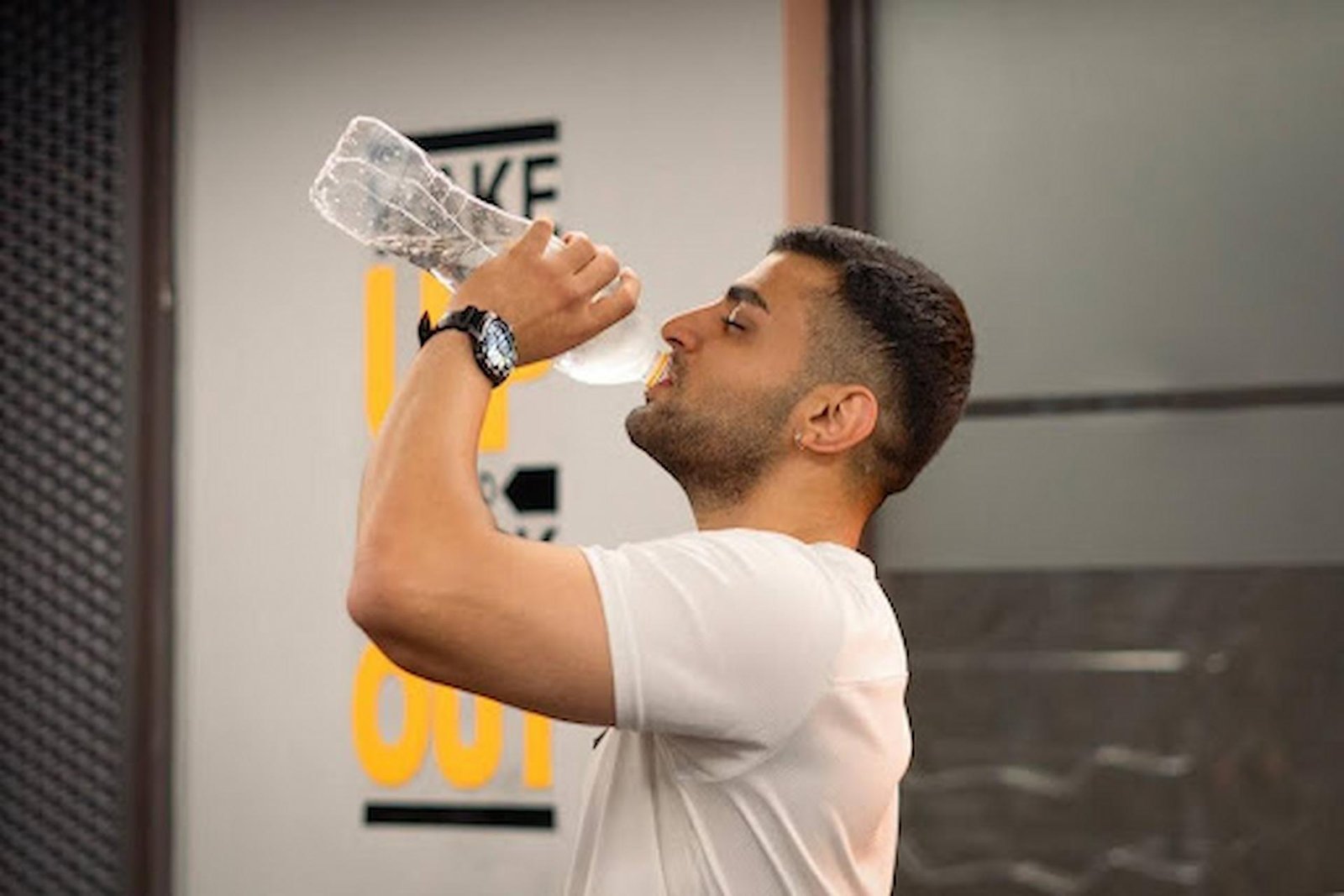
Proper hydration is foundational for athletic performance and overall health. Water regulates body temperature, lubricates joints, transports nutrients, and prevents cramping. During intense exercise, athletes can lose significant amounts of fluid through sweat, sometimes several liters per hour. This fluid loss, if not adequately replaced, can lead to dehydration, which impairs performance and can be dangerous.
To counter fluid loss, athletes should proactively hydrate before, during, and after exercise. A good rule of thumb for post-exercise rehydration is to drink 16 to 24 ounces (480 to 720 milliliters) of fluid for every pound (450 grams) lost during exercise, ideally within the next 6 hours.
Electrolytes, such as sodium, potassium, and chloride, are lost in sweat and play vital roles in nerve function, muscle contraction, and fluid balance. For workouts lasting less than 60 minutes, water is generally sufficient. However, for prolonged or high-intensity exercise (over an hour), sports drinks containing electrolytes and carbohydrates can be beneficial. These drinks help replenish both fluids and electrolytes, preventing conditions like hyponatremia (dangerously low sodium levels) and maintaining energy. Monitoring urine color is a simple yet effective way to gauge hydration status: clear or pale yellow urine typically indicates adequate hydration.
Training Methodologies for Peak Performance
Effective training goes beyond simply working out hard; it involves strategic planning, variation, and a focus on preventing injury. Two key concepts that optimize performance are periodization and variation.
Periodization is the systematic planning of athletic training. It involves dividing the training year into specific phases, each with distinct goals, intensity, and volume. For example, an athlete might have phases focused on building foundational strength, followed by phases emphasizing power, and then peaking for competition. This structured approach allows the body to adapt progressively, prevents overtraining, and ensures the athlete reaches peak performance at the most critical times.
Workout Variation is crucial to avoid plateaus and reduce the risk of overuse injuries. Continuously performing the same exercises with the same intensity can lead to adaptation stagnation and repetitive stress. A useful guideline is the “Rule of Three”: changing a workout routine every third session. This could involve altering exercises, sets, reps, intensity, or even the type of training (e.g., switching from heavy lifting to plyometrics).
Goal-Specific Workouts are tailored to the demands of a particular sport or desired outcome. An endurance runner will have different training needs than a powerlifter or a basketball player. Workouts should target the specific energy systems, muscle groups, and movement patterns required for the athlete’s discipline. For instance, neuromuscular training focuses on improving coordination, balance, and agility, which are vital for injury prevention and efficient movement in many sports. For those looking to enhance their training regimen, exploring resources like Triple F performance training can provide valuable insights into structured and varied workout approaches.
By integrating these strategies—periodization, regular variation, and goal-specific training—athletes can optimize their performance trajectory while significantly reducing the likelihood of injury, fostering long-term athletic success.
Personalizing Health and Athletic Performance
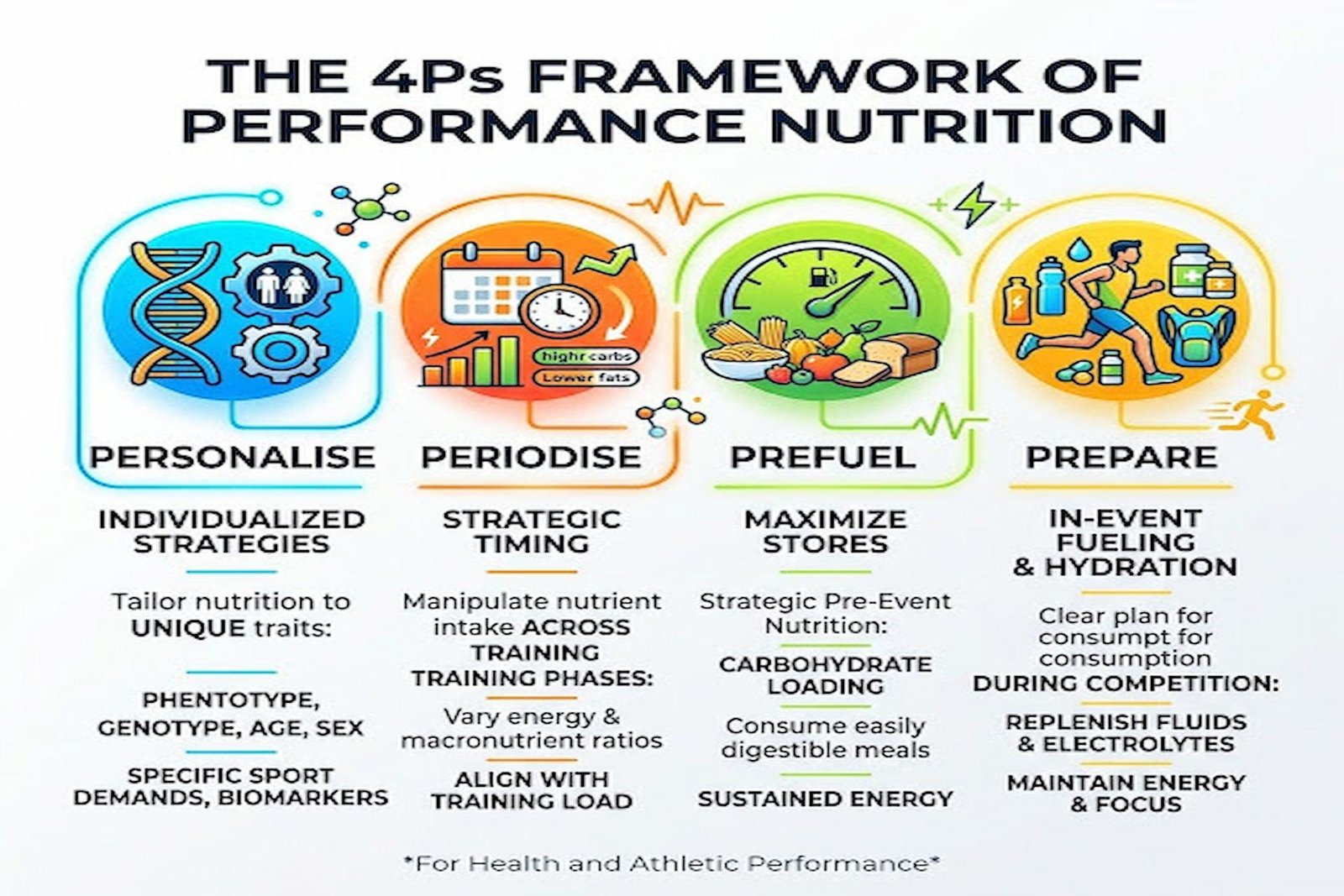
In the complex landscape of athletic development, a “one-size-fits-all” approach to nutrition, training, and recovery is increasingly recognized as outdated. Optimal performance and long-term health hinge on personalization, acknowledging that every athlete is unique. This individualized strategy is best encapsulated by the 4Ps framework of nutritional strategies: Personalise, Periodise, Prefuel, and Prepare.
- Personalise: This involves tailoring nutritional and training plans based on an athlete’s unique characteristics. Factors like phenotype (observable traits), genotype (genetic makeup), sex, age, specific sport demands, and even individual biomarkers (e.g., blood test results, sweat rate) should inform decisions. For example, genetic testing can reveal sensitivities to caffeine or predispositions to certain nutrient deficiencies, guiding supplement choices.
- Periodise: As discussed in training, periodization also applies to nutrition. This means manipulating energy availability and macronutrient ratios across different training phases (e.g., higher carbohydrates during intense competition periods, lower during off-season).
- Prefuel: Strategic pre-event nutrition is critical for maximizing performance. This involves carbohydrate loading for endurance events and consuming easily digestible meals that provide sustained energy without causing gastrointestinal distress.
- Prepare: This encompasses in-event fueling, hydration strategies, and the use of evidence-based ergogenic aids. It’s about having a clear plan for what to consume and when, to maintain energy and focus throughout competition.
Beyond nutrition, personalization extends to training load, recovery protocols, and mental preparation. Monitoring tools like wearable technology and functional testing can provide real-time data on an athlete’s physiological responses, allowing for immediate adjustments. By embracing this highly individualized approach, athletes can fine-tune their strategies for sustained high performance and enhanced well-being. For a comprehensive understanding of this framework, refer to “The 4Ps framework of nutritional strategies for optimal performance” for advanced performance nutrition guidance.
The Science of Recovery and Sleep Hygiene
Recovery is not merely a passive break from training; it’s an active and essential component of an athlete’s regimen. Without adequate recovery, the body cannot adapt to training stimuli, repair damaged tissues, or replenish energy stores, leading to diminished performance and increased injury risk. The 4Rs of recovery provide a comprehensive framework:
- Rehydration: Replacing fluids and electrolytes lost through sweat is paramount. As discussed, this is crucial for maintaining physiological functions.
- Refuel: Replenishing glycogen stores with carbohydrates and providing protein for muscle repair are critical post-exercise.
- Repair: This involves consuming protein to facilitate muscle protein synthesis and addressing any micro-traumas sustained during training.
- Recuperation: This refers to the broader physiological and psychological restoration, largely driven by sleep and active rest.
Active rest involves low-intensity activities like light cycling, swimming, or walking, which promote blood flow, help remove metabolic waste products, and aid in muscle recovery without adding significant stress. Monitoring training load is also vital. Tools like heart rate variability, sleep trackers, and subjective well-being questionnaires can help athletes and coaches identify signs of fatigue or overreaching, allowing for timely adjustments to training schedules. This proactive approach helps prevent overtraining and promotes consistent progress.
Risks of Overtraining and Poor Health and Athletic Performance
Ignoring the signals of the body and pushing too hard without adequate recovery can lead to severe consequences, collectively known as overtraining syndrome. This condition is characterized by a persistent decrease in performance, chronic fatigue, mood disturbances, increased susceptibility to illness, and higher injury rates. It’s a state where the body’s adaptive mechanisms are overwhelmed by excessive stress.
Another critical risk is Relative Energy Deficiency in Sport (RED-S). This occurs when an athlete’s energy intake is insufficient to cover the energy expended during exercise and the body’s basic physiological functions. RED-S can impact multiple body systems, leading to hormonal imbalances, weakened bones, impaired immune function, and cardiovascular problems. It not only compromises performance but also poses significant long-term health risks.
Poor nutrition and inadequate recovery exacerbate these risks. For instance, insufficient protein intake hinders tissue repair, while a lack of carbohydrates prevents proper glycogen replenishment, leaving muscles constantly depleted. Prevention strategies for overtraining and RED-S include:
- Periodized Training: Systematically varying training intensity and volume.
- Adequate Nutrition: Ensuring sufficient calorie, macronutrient, and micronutrient intake tailored to training demands.
- Prioritizing Sleep: Recognizing sleep as a non-negotiable component of recovery.
- Active Recovery: Incorporating light activities to aid physiological restoration.
- Monitoring: Using tools and self-awareness to track fatigue, mood, and performance metrics.
By diligently adhering to these principles, athletes can mitigate the risks associated with excessive training and ensure their bodies remain resilient and responsive. For further scientific insights into the interplay of nutrition, physiology, and performance, you can explore comprehensive reviews from Health Nexus.
The Biological Necessity of Sleep
Sleep is perhaps the most undervalued component of an athlete’s regimen, yet it is profoundly essential for both health and athletic performance. During sleep, the body undergoes critical restorative processes that are impossible during waking hours.
- Tissue Repair and Growth: Sleep is when the body releases growth hormone, facilitating muscle repair and tissue regeneration. This is crucial for adapting to training stress and preventing injuries.
- Memory Consolidation: For athletes, sleep acts as a filter for the brain, deleting unnecessary information while storing new athletic skills and techniques into memory. This allows learned movements to become intuitive and automatic during performance.
- Hormonal Regulation: Sleep regulates hormones vital for appetite, metabolism, and stress response. Chronic sleep deprivation can disrupt these hormones, impacting energy levels and body composition.
- Immune Function: Adequate sleep strengthens the immune system, making athletes less susceptible to illness, which can derail training and competition.
The impact of sleep on performance is dramatic. Sleep-deprived athletes can see a drop of 50% in basketball free throw and three-pointer accuracy. Conversely, studies show that 10+ hours of sleep can increase accuracy by 10%, creating a remarkable 60% potential performance difference. Reaction time, cognitive function, and mood are also significantly improved with sufficient sleep.
Sleep hygiene protocols are practices that promote consistent, restorative sleep. These include:
- Maintaining a consistent sleep schedule, even on weekends.
- Creating a dark, quiet, and cool sleep environment.
- Avoiding caffeine and heavy meals close to bedtime.
- Limiting screen time before sleep, as blue light can disrupt the circadian rhythm.
- Establishing a relaxing pre-sleep routine.
Athletes of different ages have varying sleep needs. Teens (13–18) should get 8 to 10 hours of sleep, while adults over 18 need 7 or more hours. Elite athletes often find that pushing towards the higher end of these recommendations, or even exceeding 9-10 hours, significantly enhances their recovery and performance.
Frequently Asked Questions about Health and Athletic Performance
How much sleep do athletes of different ages need for optimal recovery?
For optimal recovery and performance, sleep requirements vary by age. Teens (13–18) should aim for 8 to 10 hours of sleep per night. Adults over 18 need a minimum of 7 hours, but elite athletes often benefit significantly from 9 to 10+ hours. Research indicates that extending sleep duration can dramatically improve performance metrics, such as shooting accuracy, by up to 10%, demonstrating a substantial potential performance difference compared to sleep-deprived states.
When are dietary supplements recommended over a balanced diet?
Dietary supplements are rarely recommended over a balanced diet, as a comprehensive diet provides the vast majority of nutrients needed for peak performance. Supplements like creatine, caffeine, or nitrates are typically recommended in addition to an already optimized, balanced diet, and only when specific performance goals (e.g., anaerobic power, endurance) can be scientifically supported by their use. For example, creatine may enhance power in short bursts, and caffeine can boost endurance. However, a generic multivitamin might be considered as “insurance” if an athlete’s diet is inconsistent, ensuring basic B vitamin needs are met.
What is the most effective way to prevent injury during intense training cycles?
The most effective way to prevent injury during intense training cycles involves a multifaceted approach:
- Periodization: Systematically varying training intensity and volume throughout the year to allow for adaptation and prevent overreaching.
- Workout Variation: Regularly changing exercises, sets, and reps (e.g., following the “Rule of Three” by altering routines every third session) to avoid plateaus and overuse injuries.
- Adequate Recovery: Prioritizing sleep, proper nutrition, and active rest to allow tissues to repair and adapt.
- Monitoring Training Load: Using tools and self-awareness to track fatigue and adjust training as needed.
- Neuromuscular Training: Incorporating exercises that improve balance, coordination, and proprioception to enhance movement efficiency and stability.
Conclusion
As we’ve explored, achieving peak athletic performance in May 2026 and beyond is a complex, yet attainable, endeavor that transcends mere physical training. It demands a holistic integration of physical, mental, and emotional well-being, underpinned by evidence-based strategies. From the precise fueling provided by carbohydrates, proteins, and healthy fats, to the strategic use of supplements like creatine and caffeine, nutrition forms the bedrock of an athlete’s energy and recovery.
Equally vital are intelligent training methodologies, including periodization and workout variation, which optimize adaptation and prevent injury. However, none of this is sustainable without the powerful restorative forces of recovery and sleep, which enable tissue repair, skill consolidation, and mental resilience. The risks of overtraining and inadequate recovery, such as RED-S, underscore the critical importance of listening to the body and prioritizing comprehensive well-being.
The path to sustained athletic success is deeply personal. By embracing a personalized approach to nutrition, training, and recovery—guided by frameworks like the 4Ps—athletes can unlock their full potential, ensuring both performance longevity and long-term health. It’s a journey of continuous learning, adaptation, and unwavering commitment to the intricate balance of the mind and body.