
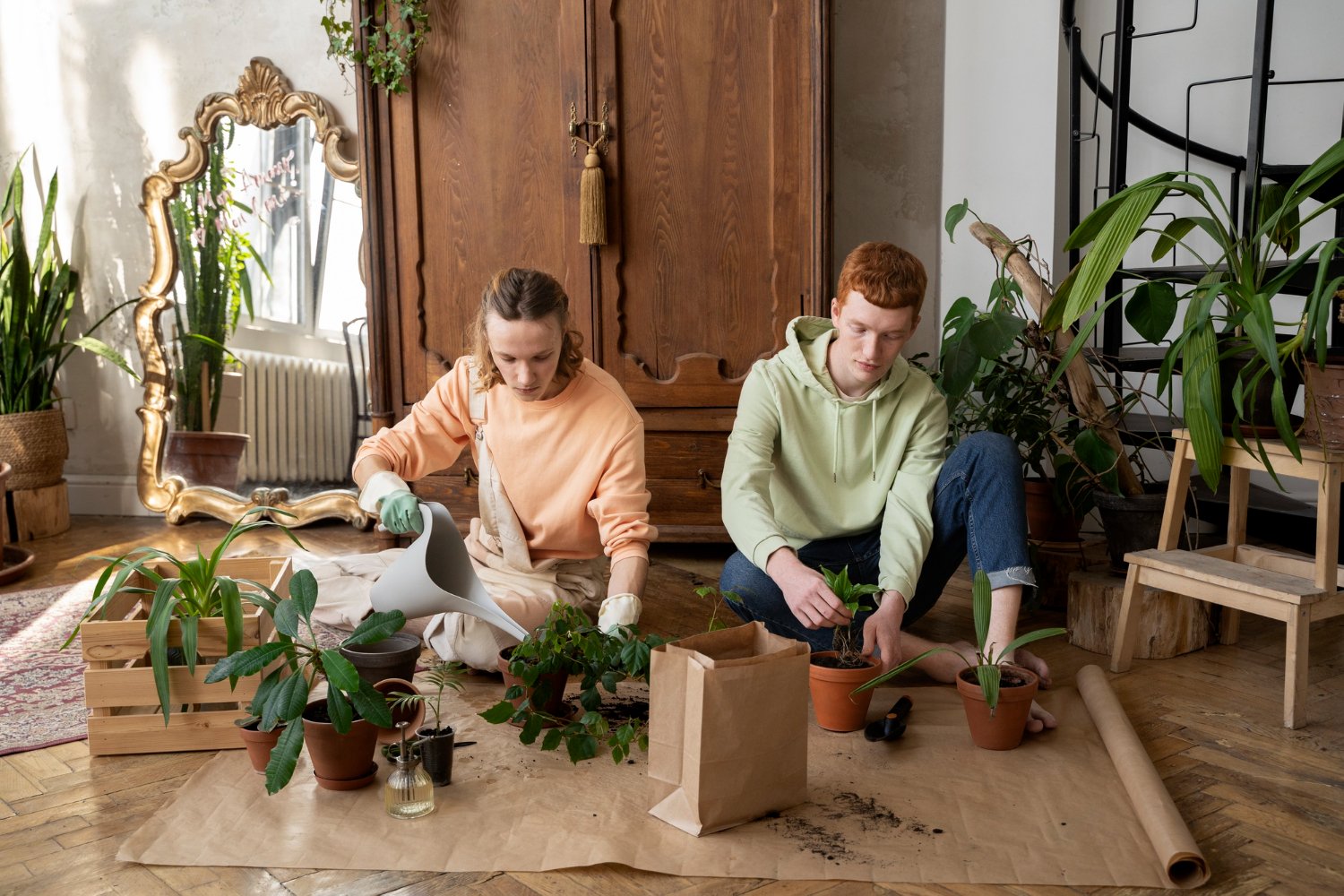
The global indoor biophilic design market is projected to surge significantly over the next decade. This massive consumer shift reflects a growing desire for nature-infused living environments that prioritise personal wellness as much as they do visual aesthetics. Modern homeowners, alongside leading interior architects, are rethinking their domestic spaces. They are actively moving away from the stark, geometric minimalism of the past decade toward softer, more organic forms. Whether you are updating a compact city apartment or undertaking a comprehensive, multi-storey property overhaul, integrating elements drawn from the natural world is a highly effective renovation strategy. It effortlessly bridges the gap between high-end luxury and everyday comfort, fundamentally changing how a room looks, feels, and functions.
Making a Statement with Sculptural Lighting
Sculptural lighting has emerged as a particularly dominant trend in high-end residential renovations over the past few years, transforming standard functional fixtures into bespoke artistic centrepieces. Instead of choosing conventional, rigid designs, many property owners are turning to sophisticated fixtures that mimic cellular forms, foliage, or natural branching structures. For instance, incorporating bespoke, nature-inspired chandeliers creates a striking visual impact that perfectly embodies this modern organic philosophy.
Even when switched off during daylight hours, these luxurious, branch-like fixtures serve as captivating visual focal points that bring a distinct sense of the outdoors inside. They gracefully bridge the gap between functional room illumination and permanent organic art. The wider Asia-Pacific luxury lighting sector, driven heavily by ambitious property renovations in design-forward hubs like Singapore, clearly showcases how highly these bespoke architectural designs are valued by today’s sophisticated property owners.
The Science Behind Biophilic Living
The concept of biophilia goes far beyond simple aesthetic preferences or fleeting design trends. There is robust, quantifiable scientific evidence supporting the health and psychological benefits of bringing elements of nature indoors. According to a recent neuropsychological study published by the National Center for Biotechnology Information, exposure to indoor spaces designed with biophilic elements significantly reduced oxyhemoglobin concentrations in the prefrontal cortex. This measurable biological response leads directly to decreased fatigue, depression, and anxiety, alongside notable increases in overall psychological restorativeness for the occupants.
Leading wellness frameworks now feature specific, evidence-based prerequisites for lighting and biophilic planning to support these exact findings. By actively integrating natural patterns and textures into your everyday living space, you mitigate the effects of daily cognitive stress and create a dependable sanctuary for emotional stability.
Practical Steps for a Nature-Inspired Makeover
Transitioning to an organic modern design style does not automatically require a complete architectural overhaul or a prohibitive budget. You can easily implement the highly praised biophilic movement through a series of thoughtful, sensory-rich interior updates.
- Embrace earth-derived materials: Layer your rooms with rich, tactile elements like natural timber, artisanal brass, and carved alabaster to ground the space in authenticity.
- Adopt soft curves: Replace sharp-edged, boxy furniture with pieces that feature flowing lines and asymmetrical, organic shapes to visually soften the overall environment.
- Optimise natural light: High-end interior architects recommend data-driven lighting solutions that mimic natural daylight cycles to support circadian rhythms and enhance daily well-being.
- Focus on tactile variety: Incorporate raw, unpolished textures alongside smooth, finished surfaces to accurately recreate the complex, layered feeling of a natural outdoor landscape.
Boosting Property Value Through Premium Upgrades
Beyond the immediate personal benefits of cultivating a calming domestic environment, these nature-driven renovations make excellent financial sense for the future. Real estate studies consistently show that minor, strategic aesthetic updates can yield a substantial return on investment upon property resale. Environmentally conscious buyers are actively driving up market demand for homes with integrated nature-inspired elements, leading to higher property appraisals in competitive urban markets.
Thoughtfully investing in premium focal points can significantly elevate the perceived value and aesthetic appeal of your newly renovated living space, as detailed in a comprehensive guide on enhancing your property’s overall market value. Creating a high-end, nature-inspired focal point easily distracts from minor architectural flaws. It allows sellers to confidently command a premium asking price without the necessity of undertaking stressful, disruptive gut renovations.
As the luxury home improvement market continues to expand, supported by an increasing global focus on sustainable and mood-enhancing interiors, the beneficial intersection of personal wellness and property design becomes ever clearer. By fully embracing biophilic principles and organic forms, you are not simply updating your interior decor. You are consciously investing in a healthier, much more valuable, and profoundly restorative home environment that will beautifully endure for years to come.