Japan’s sakura season deserves its fame, but it represents only a few weeks in a country that changes character every month. Winter brings deep snow and steaming baths. Early summer colours temple gardens with hydrangeas, while autumn turns mountain paths copper and gold. Food, festivals, art, cycling and quiet rural stays add further reasons to visit outside peak blossom dates.
For Indian travellers, choosing the season first makes route planning easier. It also helps control accommodation costs, avoid unsuitable weather and build a trip around experiences that match personal interests.
Winter Experiences: Snow, Wildlife and Warmth
1. Ski Across Hokkaido’s Snow Country
Hokkaido is Japan’s leading winter playground, with reliable snow, mountain resorts and regional food. Niseko suits international visitors, while Furano offers a quieter alternative. Allow three to five nights, reserve equipment before arrival and carry waterproof gloves, thermal layers and shoes with strong grip. Domestic flights connect major Japanese cities with Hokkaido.
2. See the Sapporo Snow Festival
Snow sculptures, illuminated displays and food stalls transformed central Sapporo during the 2026 festival, held from 4 to 11 February. Future dates should be checked before booking. Hotels fill quickly near Odori Park. Stay close to a subway station, keep evenings free for the lights and try local miso ramen or soup curry.
3. Watch Snow Monkeys in Nagano
Jigokudani Monkey Park offers the chance to observe Japanese macaques in a mountain habitat, with winter bringing the familiar sight of monkeys near hot springs. Reaching the area involves an icy outdoor walk. Wear proper footwear, allow a full day from Nagano and never feed, touch or crowd the animals.
4. Stay in an Onsen Ryokan
A traditional inn with a hot-spring bath turns cold weather into part of the pleasure. Hakone, Kinosaki, Beppu and Noboribetsu suit popular routes. Check bathing etiquette and tattoo policies before reserving. Many ryokan stays include dinner and breakfast, so arrive on time and mention vegetarian or allergy requirements before check-in.
Spring Beyond Sakura: Trails, Tea and Island Roads
5. Cycle the Shimanami Kaido
The Shimanami Kaido links Onomichi and Imabari across six Seto Inland Sea islands. Its cycling sections, bridges and coastal towns suit active travellers seeking slower sightseeing. The complete route is about 70 kilometres, though shorter rides are possible. Spring and autumn are comfortable. Book bicycle collection and return arrangements in advance.
6. Learn About Tea in Uji
Uji, near Kyoto, is known for tea fields, specialist shops and historic sites. Join a tea experience to understand preparation, taste different grades and learn why matcha is more than a café flavour. A full day allows time for Byodoin Temple and riverside walking. Reserve workshops early and avoid strong perfume during tastings.
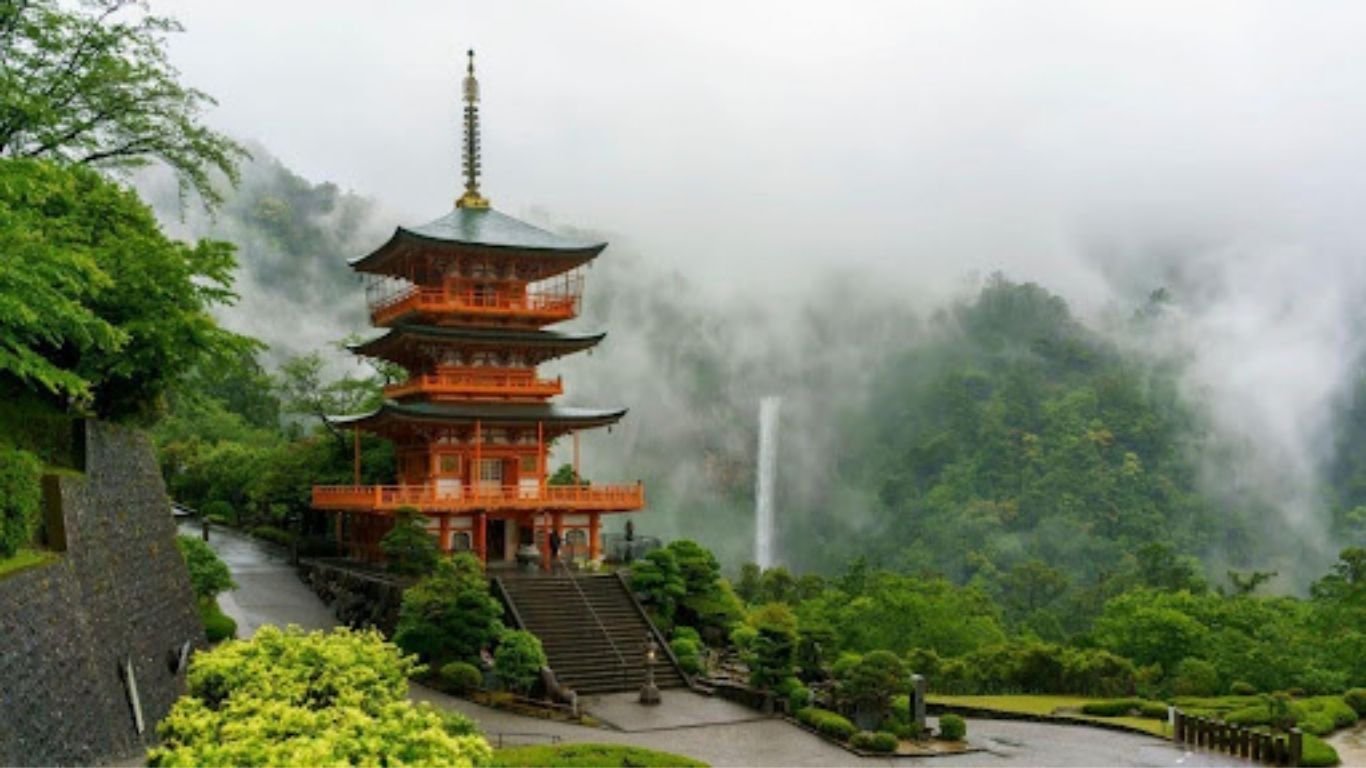
7. Walk Part of the Kumano Kodo
The Kumano Kodo crosses the wooded Kii Peninsula through pilgrimage settlements and sacred sites. A two- or three-day section provides a meaningful introduction without demanding a long expedition. Paths can be steep, accommodation is limited, and luggage transfers need advance planning. Carry rain protection and choose stages matching your fitness rather than rushing.
Summer Experiences: Festivals, Flowers and Coastal Escapes
8. Join a Traditional Summer Festival
In 2026, Kyoto’s Gion Matsuri runs from 1 to 31 July, while Aomori’s Nebuta Festival is scheduled for 2 to 7 August. Smaller regional events may feel easier to navigate. Expect crowds, humidity and transport changes. Book accommodation early, carry water and follow local directions around parade routes.
9. Explore Hydrangea Temples
June’s rainy season brings hydrangeas to temple gardens and wooded paths. Kamakura is accessible from Tokyo, while Yatadera near Nara offers another strong display. Rain makes stone steps slippery, so pack a compact umbrella and shoes with grip. Visit early, keep plans flexible and avoid blocking narrow paths while photographing flowers.
10. Discover Okinawa’s Island Culture
Okinawa combines beaches with a culture, cuisine and history distinct from mainland Japan. Spend at least four nights to limit time lost to flights and transfers. Snorkelling, island drives and local markets fit together well. Summer can bring intense heat and typhoon disruption, so keep plans adjustable and follow marine warnings.
11. Hike in the Japanese Alps
Mountain areas such as Kamikochi provide cooler air, marked trails and scenic day walks in warmer months. Conditions vary by altitude, and some routes close outside their operating season. Check local notices, start early and carry water, food and rainwear. Harder climbs require suitable equipment, preparation and realistic judgement.
Autumn and Year-Round Experiences
12. Follow the Autumn Colour Front
Autumn colour moves from northern and high-altitude regions towards major cities. Hokkaido and mountain areas change first, while Kyoto and Tokyo often colour later. Peak timing varies with weather, so keep the itinerary flexible. Visit popular gardens on weekday mornings and combine famous sites with neighbourhood parks to reduce crowd fatigue.
13. Spend a Day on Naoshima
Naoshima turns a small Seto Inland Sea island into a journey through museums, architecture and public art. Ferries and museum closure days shape the visit, making advance planning essential. One day covers highlights, though staying overnight creates a calmer pace. Check exhibition reservations before finalising transport and accommodation.
14. Stay Overnight at Koyasan
A Koyasan temple stay introduces Buddhist routines, quiet mountain surroundings and shojin ryori, the vegetarian cuisine associated with temple life. Rooms may be simple, with shared facilities. Guests should respect prayer times, noise expectations and meal schedules. One night is usually sufficient, although the journey deserves unhurried connections.
15. Eat According to the Region and Season
Japanese food becomes more rewarding when meals follow place and season. Look beyond sushi to Hokkaido seafood, Osaka street dishes, Nagoya specialities, mountain vegetables, regional noodles and local sweets. Department-store food halls help travellers sample widely. Vegetarians should learn useful Japanese phrases because fish stock may appear in seemingly meat-free dishes.
Planning a Better Japan Trip from India
Well-designed Japan tour packages should leave time for neighbourhood walks, regional meals and slower experiences instead of covering many cities daily. Travellers comparing Japan with a Maldives package should expect more transport planning, walking and seasonal packing.
- Use an IC card for convenient urban travel, but price long-distance tickets separately before buying a rail pass.
- Reserve limited rural accommodation, festival stays and popular activities early.
- Keep one flexible block for poor weather, check current entry requirements through official sources and buy travel insurance that covers the activities on your itinerary.
Japan does not need cherry blossoms to feel special. Choose the right season and pace, then let each region reveal a different side of the country.