Starting a small collectibles display at home can be a fun way to make your space feel more personal. You don’t need a giant house, a fancy budget, or museum-level taste. You just need a little curiosity and a spot that could use some character. Tiny treasures can tell stories, spark memories, and add lasting character to your home. Whether they’re keepsakes, handmade porcelain pieces, or family heirlooms, the right collectibles can make a room feel personal without overwhelming the space. Think of it as decorating with personality instead of just stuff.
Why people collect Displaying Small Collectibles
People collect for all kinds of reasons, and most of them have nothing to do with being fancy. Sometimes an item reminds you of a trip, a family member, or a special moment. Other times, you just love how it looks sitting on a shelf, doing its tiny job of being adorable.
Small decorative collectibles are especially easy to enjoy because they don’t require much space while still making a meaningful impression. Pieces such as authentic Limoges boxes are admired for their hand-painted artistry, detailed craftsmanship, and heritage as collectible French porcelain. Whether you’re starting a collection or adding a special piece, you don’t need to be an expert to appreciate the care and skill behind every design.
Collecting can also slow you down in a good way. Instead of buying random décor in a rush, you start choosing items that actually mean something to you. That makes your home feel warmer and less cookie-cutter. A good collection doesn’t just fill a shelf. It gives your room a little heartbeat.
Pick a display style
Before you buy more pieces, think about how you want your collection to look in your home. Some people like a clean, simple setup with only a few items on display. Others enjoy a cozy, layered look that feels a bit like a treasure hunt. Neither is wrong. You’re the boss of the shelf.
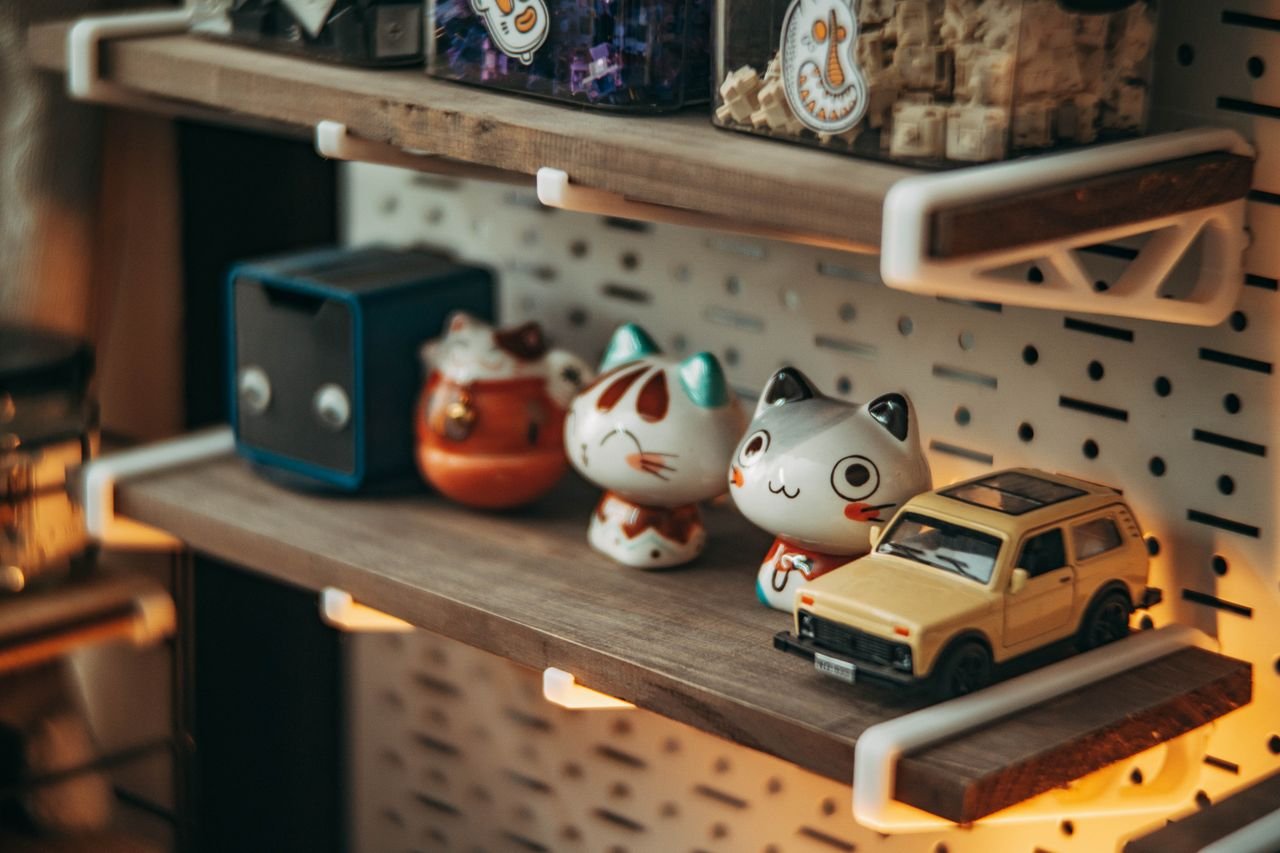
A glass-front cabinet works well if you want things to feel neat and protected. Open shelves can make a collection part of the room’s everyday style. A tray on a coffee table or dresser can also work if you’re short on space. It keeps things grouped together so they look intentional, not like they wandered there by accident.
You can also build a display around a theme. Maybe you love floral pieces, travel souvenirs, or delicate porcelain. Keeping a loose theme helps your display feel pulled together, even if the items came from different places. Think of it like making a playlist. Different songs, same vibe.
Choose pieces thoughtfully
It’s easy to get carried away when something is cute and small. That’s the sneaky power of collectibles. Since each item doesn’t seem huge, you may not notice how fast they add up. That’s why it helps to choose slowly and pay attention to what actually fits your style.
Start by asking yourself a few simple questions:
- Do you genuinely enjoy it, or are you buying it simply because it’s available?
- Does it match your space or your theme?
- Is it in good condition?
- Will you still enjoy seeing it in six months?
Quality and craftsmanship matter far more than quantity, especially if you’re building a collection you’ll enjoy for years. A few well-chosen pieces usually look better than a crowded lineup of random items. Color also plays a big role. If your room is soft and neutral, bold pieces can become fun accents. If your home already has lots going on, gentler colors may feel easier on the eyes.
Sentimental value counts too. The best collections often mix beauty with memory. A piece from your grandmother or a gift from a friend may matter more than the trendiest item in the shop.
Make small spaces shine
You don’t need a giant bookcase or a dedicated hobby room to create a beautiful display. Small spaces can actually make collectibles feel more special because every piece has an opportunity to stand out. That usually leads to better choices and less clutter.
Try using one shelf, one tabletop corner, or the top of a narrow console. In a bedroom, a dresser corner can become a sweet display area. In a living room, a side table or built-in shelf works well. Entryways are also nice because they give visitors a quick peek at your style without overwhelming the space.
Spacing is what makes a display feel calm instead of crowded. Leave a little breathing room between pieces. Mix heights if you can. A small stack of books, a framed photo, or a candle can help support the display without stealing the show.
Lighting helps more than people think. Soft natural light is lovely, but direct sun can be too harsh for delicate items. If the area is dim, a small lamp nearby can make your collection glow without turning it into a stage production.
Keep everything looking good
Once your display is set up, a little care goes a long way. Small decorative pieces can collect dust faster than you’d expect, almost like they’re competing in a secret fuzz contest. The good news is that maintenance doesn’t need to be hard.
Dust gently with a soft cloth, feather duster, or small brush. If an item is delicate or detailed, go slow. Quick, rough cleaning is how tiny chips happen. Pick pieces up carefully instead of pushing them around the shelf.
It also helps to keep collectibles away from damp areas and strong direct sunlight. Too much moisture can affect finishes, and harsh sun may fade colors over time. If you display pieces near a window, check them now and then to make sure they’re not getting exposed to excessive sunlight for long periods.
If you rotate items seasonally, store extras in padded boxes or wrap them in soft paper. Labeling the box saves time later. You won’t have to dig through mystery packages wondering what past you were thinking.
Build Your Collection Step by Step
The nicest collections usually grow slowly. That gives you time to notice what you really love and what no longer fits your space. You don’t have to fill every shelf in a weekend. In fact, it often looks better if you don’t.
As your taste changes, your display can change too. You might swap in lighter pieces for spring, richer colors for fall, or holiday-themed items for a short seasonal update. That keeps your home feeling fresh without forcing you to redecorate everything.
It’s also smart to edit once in a while. If a piece doesn’t make you smile anymore, it may be time to move it, store it, or pass it along. Collecting should feel enjoyable, not like a storage puzzle with emotional baggage.
The real goal is to create a display that feels like you. Not perfect, not pricey, and not copied from someone else’s living room online. When your collection reflects your memories and taste, even a tiny shelf can say a lot. A thoughtfully chosen collection can become one of the most personal features in your home, reflecting your interests, memories, and appreciation for craftsmanship for years to come.