If your bathroom feels tight, messy, or just plain annoying, you’re not imagining it. Small bathrooms can make simple routines feel like obstacle courses. One towel on the floor and suddenly the room looks like it gave up. That’s a common challenge in many Texoma homes, where families often look for practical ways to improve comfort and functionality without taking on a full-scale renovation. The good news is you don’t need a giant remodel to make the space work better. A few smart upgrades can help your bathroom feel easier to use, easier to clean, and a lot less cramped when real life happens.
Why bathrooms feel cramped
A small bathroom usually has more than one problem going on at once. The room may be short on square footage, but bad layout choices often make it feel even smaller. A bulky vanity, a shower curtain that cuts the room in half, or storage that doesn’t match your habits can all add to the squeeze.
Visual clutter is another sneaky issue. Too many bottles, mismatched bins, and towels hanging wherever they land can make a usable room feel chaotic. Even older finishes play a part. Dark walls, stained grout, and worn fixtures tend to absorb light and make the whole space feel tired.
You don’t always need to move plumbing or knock down walls. Often, the biggest difference comes from reducing friction in your daily routine. If you can reach what you need, clean things faster, and move around without bumping elbows, the bathroom starts working with you instead of against you.
Start with the bath
The tub or shower area is usually the biggest feature in the room, so it has a huge effect on both looks and function. If that area feels old, hard to clean, or awkward to step into, the whole bathroom suffers. This is often the first place worth evaluating when you want a practical upgrade.
For homeowners comparing replacement options in North Texas and Southern Oklahoma, looking at companies like Luxury Bath of Texoma can help you understand what modern bath and shower updates typically include. Think low-maintenance surrounds, easier entry, and layouts that use space better.
Even small changes in this zone can do a lot. A clear glass door may open up the room visually, while a wall surround with fewer grout lines can cut cleaning time. If your tub barely gets used, replacing it with a shower may better fit how you live now. Your bathroom should match your routine, not a version of you who takes bubble baths every Tuesday.
Choose simpler surfaces
In a small bathroom, every surface matters because you notice all of it. Busy patterns, dark finishes, and materials that stain easily can make the room feel more crowded than it is. Simpler surfaces usually work better because they bounce light around and are easier to keep looking fresh.
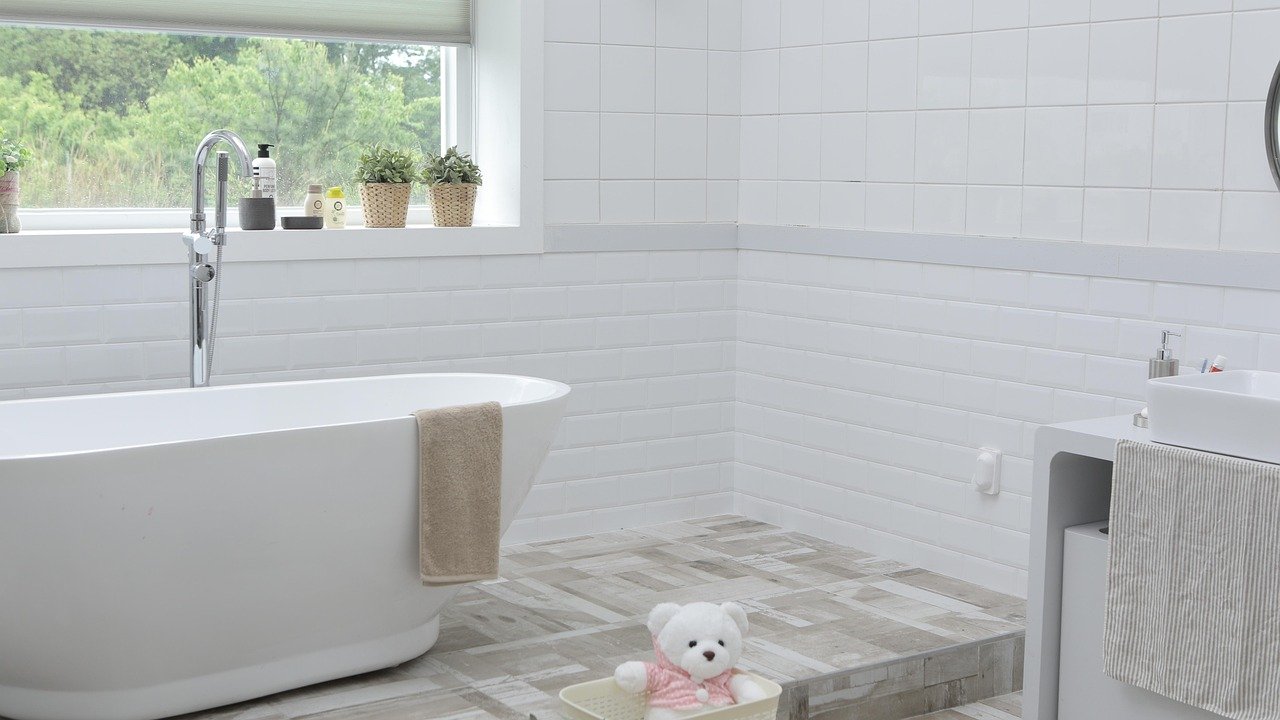
Light-colored wall surrounds, large-format panels, and smooth finishes can make the room feel brighter without trying too hard. That doesn’t mean everything has to be plain white like a dentist’s office. Soft grays, warm beige tones, and clean marble-look finishes can still add style without shrinking the room.
Easy-clean materials also matter more than people expect. If you’ve ever spent your weekend scrubbing grout with the passion of a medieval knight, you already know this. Families tend to appreciate finishes that wipe down fast and don’t show every splash. The best choice is usually the one that still looks good on a rushed Monday morning, not just in a showroom photo.
Fix storage blind spots
A lot of bathroom clutter comes from poor storage, not too much stuff. When everyday items don’t have a clear home, they end up on the sink, toilet tank, or floor edge like they’re waiting for a bus. Small bathrooms need storage that fits real habits.
Start by looking for dead space. The wall above the toilet, the narrow gap beside a vanity, and the inside of cabinet doors can all do more work. Recessed shelves in the shower or near the sink can hold daily items without sticking out into the room. Drawer organizers help because one messy drawer can become a tiny junk galaxy fast.
Hooks are another underrated fix. They’re simple, cheap, and much more likely to get used than a towel bar across the room. If multiple people share the bathroom, labeled baskets or divided drawers can cut down on morning confusion. The goal isn’t fancy storage. It’s making the room easy to reset after normal use.
Improve light and airflow
Lighting can make a small bathroom feel bigger in about five seconds. Poor lighting does the opposite. One dim overhead fixture tends to cast shadows in all the wrong places, which is bad for shaving, makeup, and general morale.
A better setup often includes layered lighting. Overhead light helps the whole room, but task lighting around the mirror makes daily routines easier. Bright, warm bulbs usually feel more flattering and less harsh than cold blue-toned ones. Mirror size also matters. A larger mirror reflects more light and can visually double the sense of space.
Airflow is just as important. Bathrooms collect moisture fast, and trapped humidity can lead to peeling paint, musty smells, and mold. A good exhaust fan helps the room dry out faster and stay cleaner over time. If your mirror stays fogged for ages after a shower, that’s a clue your ventilation needs help. Fresh air may not be glamorous, but it keeps the room from turning into a tiny tropical swamp.
Pick upgrades that last
When you plan bathroom changes, it helps to think past the first week. A pretty finish isn’t always a practical one. The best upgrades usually make life easier for years, not just until the novelty wears off. That means looking at durability, cleaning effort, and how your household actually uses the space.
If kids, older adults, or guests use the bathroom often, features like easy-entry showers, grab bars, slip-resistant flooring, and sturdy fixtures may be worth prioritizing. If resale matters, neutral finishes and low-maintenance materials tend to have broad appeal. Buyers notice bathrooms, and they definitely notice when one feels dated or hard to maintain.
Most of all, pick improvements that reduce daily friction. A bathroom doesn’t need to be huge to feel good. It just needs to work. When the surfaces are easier to clean, the storage makes sense, and the bath area fits your routine, mornings run smoother, and the room feels calmer. That’s a pretty solid upgrade for a space you use every single day.