Some businesses make the mistake of acting like customers need a secret password to enjoy wine. They don’t. Most people just want something that tastes good, feels easy to choose, and won’t make them panic at the checkout counter. If you run a wine shop, tasting room, or specialty retail business, the smartest move is often the simplest one. Meet people where they are. Familiar flavors, relaxed experiences, and clear guidance can turn a casual visitor into someone who comes back with friends.
Start With Flavor
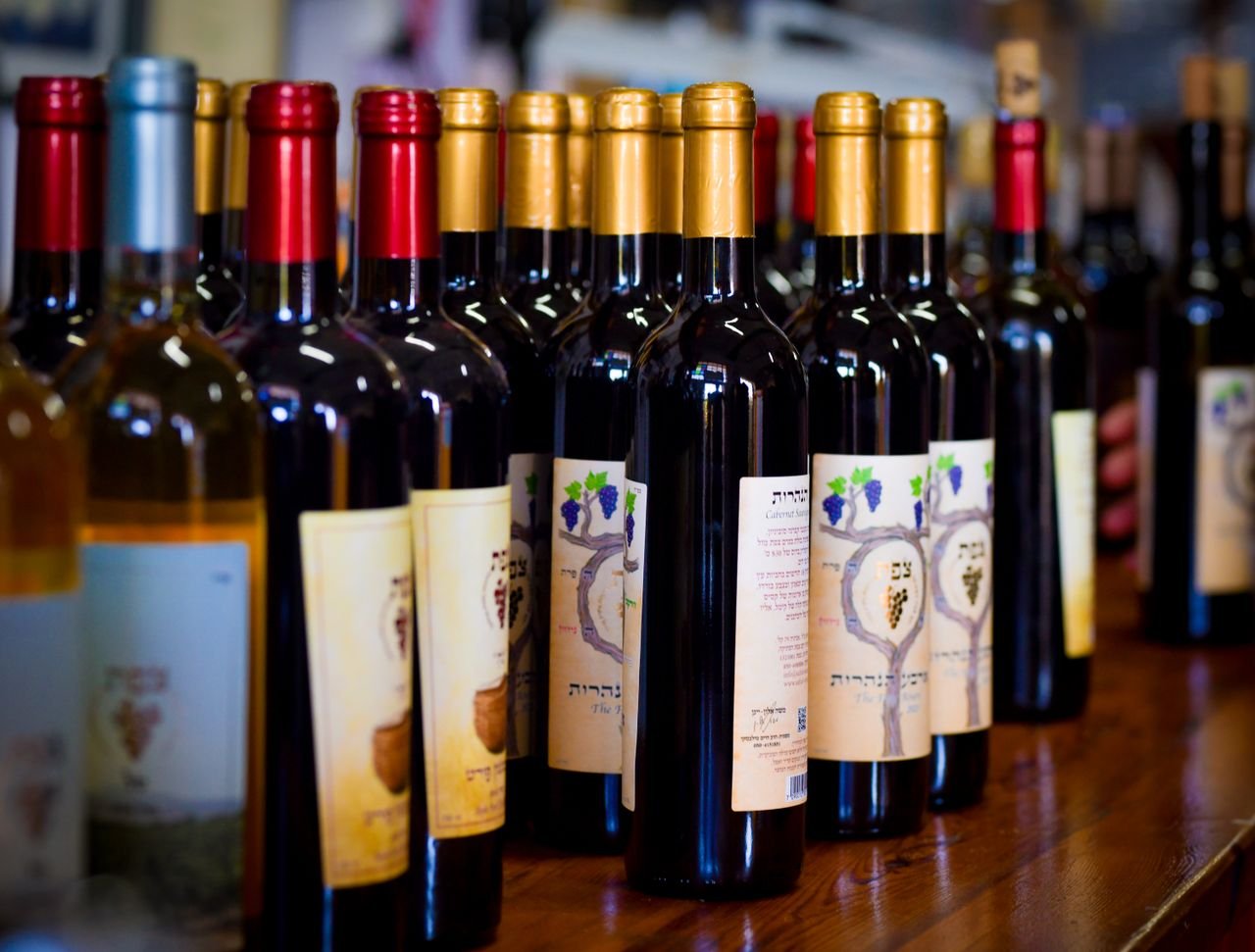
If you want people to feel comfortable buying wine, start with taste instead of terminology. A lot of shoppers aren’t looking for a lecture on tannins. They want to know if they’ll actually like what’s in the bottle. That’s why options like Concord grape wine, like the one from Tennessee Homemade Wines, work so well for beginners and casual drinkers.
Its flavor is familiar, fruit-forward, and easy to understand. It often reminds people of fresh grapes or old-school grape juice, which makes the first sip feel less like a gamble. That matters in a business setting. When a customer feels confident, they’re far more likely to make a purchase.
This also gives staff an easy starting point. Instead of sounding formal, they can simply say, “If you like sweeter wines, this is a great one to try.” That kind of low-pressure conversation builds trust fast.
Make Tasting Less Intimidating
A tasting should feel fun, not like a pop quiz. If customers walk in and feel judged, confused, or ignored, they probably won’t stay long. The best wine businesses know how to keep things simple without making the experience feel cheap or basic.
Clear signage helps a lot. So do tasting menus with short descriptions like sweet, bold, fruity, or crisp. Those words are easy to picture. They help people choose without pretending they know everything about wine. Nobody wants to nod politely while wondering what “earthy finish” even means.
Staff attitude matters just as much. Friendly questions work better than fancy explanations. Asking “Do you like sweeter drinks?” is more helpful than launching into a speech. Small touches also help, like neat displays, easy checkout, and enough space for people to browse without bumping elbows.
When tasting feels relaxed, customers tend to stay longer, ask more questions, and buy with less hesitation.
Tell a Local Story
People don’t just buy products. They buy stories they can repeat later. If a wine shop or winery has a regional connection, that’s worth talking about in a clear and human way. You don’t need a dramatic backstory either. Even a simple family tradition or local recipe angle can make a bottle more memorable.
Customers like knowing where something comes from and why it exists. Maybe the wine reflects a classic Southern fruit preference. Maybe it’s tied to a long-running homemade wine tradition. Maybe it’s simply a product that feels rooted in local tastes rather than chasing trends.
That kind of storytelling helps businesses stand out, especially in crowded retail spaces. It gives shoppers a reason to care beyond price. It also makes gift buying easier. A customer may forget a tasting note, but they’ll remember a bottle with a story.
When your product feels connected to a place and a personality, it becomes easier to recommend and easier to remember.
Create Easy Pairings
One of the easiest ways to help customers buy with confidence is to show them what to pair with the wine. This doesn’t need to be fancy. In fact, everyday pairings often work best because they feel useful right away.
For sweeter wines, simple foods can do the trick. Think barbecue, sharp cheddar, chocolate desserts, fruit trays, or holiday ham. These are not chef-only ideas. They’re regular foods people already eat at parties, cookouts, and family dinners. That makes the wine feel practical instead of mysterious.
This matters for business because customers often need a reason to picture the bottle in their life. Pairing suggestions give them that reason. A small shelf card, a staff tip, or a seasonal display can quietly answer the big question: “What would I actually do with this?”
Once people can imagine serving it at dinner or bringing it to a gathering, they stop browsing and start buying. That’s a pretty grape result.
Turn Visitors Into Regulars
Getting a first sale is nice. Getting repeat visits is where the real business value shows up. The good news is that loyalty doesn’t always require a giant marketing plan. Often, it comes from small, repeatable ideas that make customers feel remembered and comfortable.
Seasonal tastings are a good example. A spring sweet-wine feature or a holiday pairing table gives people a reason to come back. Gift-ready displays also help, especially when they make shopping easy for birthdays, housewarmings, or host gifts.
Staff recommendations can be powerful too. If someone liked one sweet bottle last month, point them toward something similar on their next visit. That personal touch feels helpful, not pushy. Simple loyalty offers, event reminders, and beginner-friendly tastings can also keep interest alive.
The goal is not to overwhelm people with options. It’s to make returning feel natural. When customers know they’ll have a good experience without any wine-snob side quests, they’re much more likely to become regulars.
Why Familiar Wins
In a lot of retail settings, businesses chase novelty and forget the value of comfort. But familiar products often do an important job. They reduce hesitation. They make first-time buyers feel smarter. They give shoppers something safe to try when they don’t want to guess wrong.
That’s why approachable wines matter. They can bring new customers into the category, help businesses sell with less friction, and create positive first impressions that lead to repeat sales. Not every bottle needs to be rare or complex to be valuable. Sometimes the best seller is the one that feels welcoming from the first glance to the last sip.
If you want stronger customer loyalty, start by making the experience easier to enjoy. Friendly guidance, recognizable flavors, and practical pairings go a long way. In business, comfort is not boring. Very often, it’s what keeps people coming back for another pour.