Key Takeaways
- Successful long-stay RV travel starts with matching the campground, budget, and route to everyday needs.
- Confirm site dimensions, hookups, internet options, rules, and all fees before paying a deposit.
- A simple routine for chores, maintenance, work, and local outings helps the RV feel like a practical home base.
- Build flexibility into the schedule so that weather, repairs, and rest days do not disrupt the entire trip.
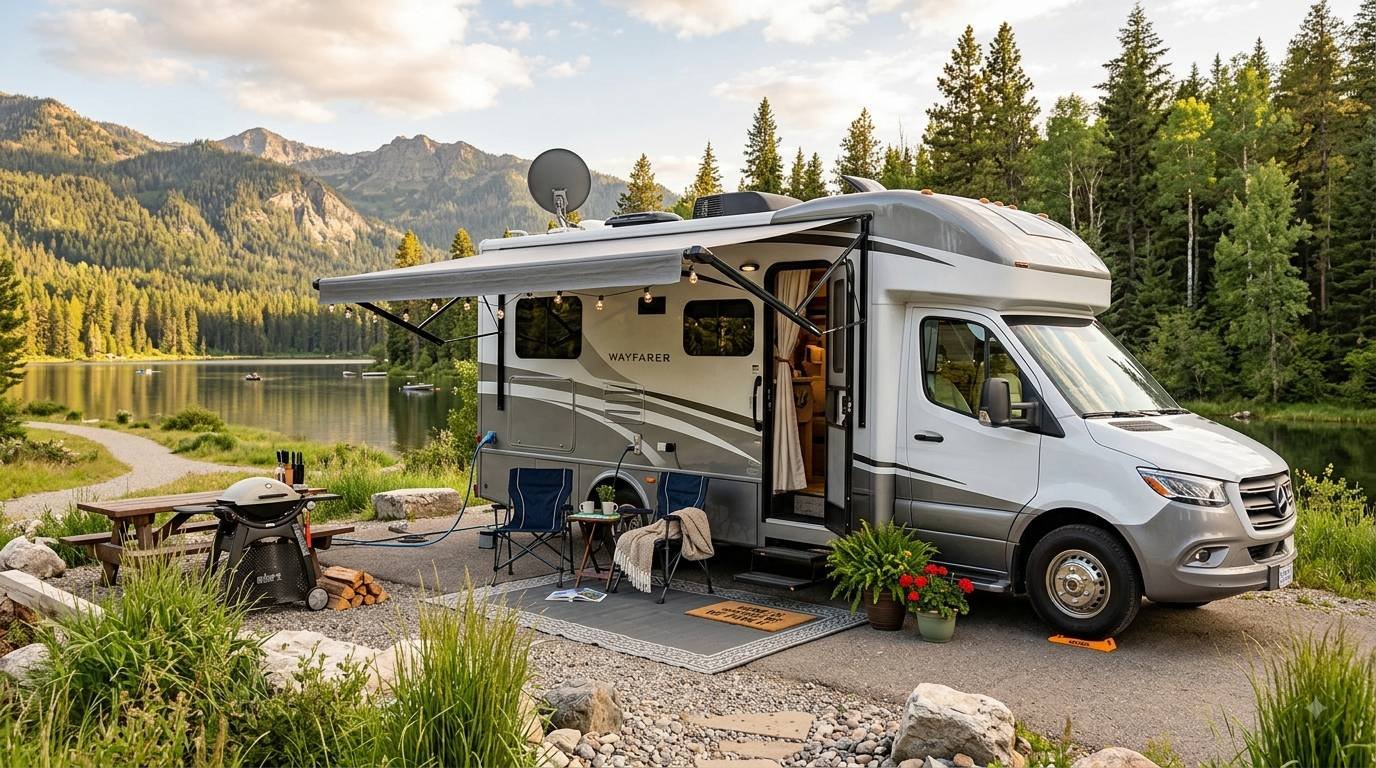
A longer RV trip offers something that fast-moving road trips often cannot: time to settle in. Rather than towing, packing, and setting up every few days, travelers can get comfortable in one place, learn the local area, and create a calmer daily rhythm. Choosing the right RV park can make the difference between merely parking for a few weeks and truly enjoying an extended stay.
Whether the goal is remote work, seasonal travel, family time, retirement adventures, or a slower way to explore a new region, comfort should be planned as carefully as the route. A scenic site may look appealing for a weekend, but practical details such as shade, laundry access, grocery distance, and reliable power matter much more when the RV will be home for several weeks.
Why Long Stays Work Well for RV Travelers
Staying longer in one location reduces the repeated work of breaking camp, dumping tanks, securing belongings, and navigating unfamiliar roads. It also makes meal planning easier, helps control fuel spending, and leaves more room for rest. Instead of trying to see everything in a single weekend, travelers can choose a few meaningful outings and enjoy ordinary local experiences in between.
That said, a long stay is not automatically effortless. Small inconveniences become more noticeable over time. Limited counter space, poor drainage, weak cell service, loud neighbors, or a tight parking pad can quickly affect comfort. The best plans account for both the fun parts of travel and the routines that make everyday life work.
Set Clear Travel Goals Before Choosing a Route
Start by deciding what the stay needs to accomplish. A quiet mountain site for hiking calls for a different setup than a campground near medical services, client meetings, schools, or family attractions. Clear priorities narrow the search and prevent booking a location that looks good online but does not support the actual trip.
- Decide how long you plan to remain in one place.
- Identify the primary purpose, such as rest, work, sightseeing, or outdoor recreation.
- Set a reasonable driving radius for groceries, fuel, pharmacies, and medical care.
- Consider pets, children, mobility requirements, and visiting guests.
- Leave extra time in the route for weather delays, maintenance, and days with no driving.
Choose a Site That Fits Daily Life
A long-stay site should be evaluated as a living space, not just an overnight stop. Confirm the RV length limit, slide-out clearance, road access, and turning room. A pull-through site may be convenient, while a back-in site may offer more privacy. Either can work if the pad is level and there is enough room to set up safely.
Features Worth Checking
- 30-amp or 50-amp electrical service that matches the RV.
- Water and sewer hookups, or clear information about dump-station access.
- Shade, drainage, ground conditions, and exposure to wind.
- Cell coverage, Wi-Fi policies, and quiet places for calls.
- Laundry facilities, showers, trash pickup, mail options, and package rules.
- Pet policies, visitor limits, quiet hours, and vehicle restrictions.
Review current photos, maps, and written campground policies before booking.
Build a Realistic Long-Stay Budget
Nightly pricing alone does not show the real cost of an extended RV stay. Weekly and monthly rates can reduce the average nightly expense, but utilities, taxes, deposits, pet charges, propane, laundry, and reservation fees may change the final total. Ask whether electricity is included, capped, or billed separately.
Simple Monthly Budget Categories
- Fixed costs: Site fees, insurance, phone plans, and recurring subscriptions.
- Flexible costs: Fuel, groceries, dining, local activities, and household supplies.
- Maintenance reserve: Tires, oil changes, propane, replacement parts, and unexpected repairs.
A practical approach is to set aside the site fee first, conservatively estimate flexible spending, and keep a separate repair reserve that is not used for entertainment. This gives the trip breathing room when an appliance, tow vehicle, or plumbing connection needs attention.
Create a Simple Weekly Routine
Structure does not make a long RV stay less relaxing. It prevents routine tasks from piling up. Use arrival day to level the RV, connect utilities, inspect hoses and cords, and review property rules. During the first full day, locate essential services, including groceries, fuel, a pharmacy, and nearby urgent care.
Choose one midweek block for laundry, tank checks, meal preparation, and a quick vehicle inspection. Reserve another day for a local outing, then leave at least one day open for rest. A little structure keeps chores manageable without turning the trip into a rigid schedule.
Stay Connected for Work, School, and Communication
Reliable internet is essential for many travelers, but campground Wi-Fi should not be assumed to handle work calls, video classes, or large uploads. Test cellular service before committing to a long reservation when possible. A backup hotspot, second carrier, downloaded maps, and offline copies of reservations can prevent avoidable problems.
Protect devices on shared networks by using strong passwords, keeping software up to date, and being cautious with public Wi-Fi. Keep chargers, surge protection, and important documents organized in one accessible place so work and travel details do not compete for limited RV space.
Manage Safety, Maintenance, and Weather
Long stays make it easier to notice small issues early. Check tire pressure and tread before local drives, inspect water and sewer connections, and test smoke, carbon monoxide, and propane alarms. Keep basic tools, spare fuses, gloves, leveling blocks, and emergency supplies readily available.
Weather deserves the same attention as mechanical maintenance. Know the campground’s evacuation procedures, identify the nearest shelter, and follow local instructions during severe conditions.
Enjoy the Area Beyond the Campground
A longer stay offers the chance to explore beyond the top attractions. Create a brief list of free activities, such as parks, libraries, trails, scenic overlooks, and community events. Add affordable options such as markets, historic districts, museums, and casual dining. Save larger excursions and guided tours for special occasions. Be respectful to the local community by adhering to rules, disposing of waste properly, keeping noise to a minimum, and supporting small businesses within your budget. Maintaining a relaxed schedule makes for a more enjoyable and memorable experience than trying to fit in too many activities.
Use a Booking and Arrival Checklist
Before Booking
- Confirm the full price, payment schedule, and cancellation policy.
- Verify site length, width, hookups, and electrical service.
- Ask about internet, cell coverage, pets, guests, and extra vehicles.
- Save the address, contact details, check-in instructions, and emergency information.
Before Arrival
- Check the route for low clearances, tight turns, steep grades, and fuel stops.
- Arrive during approved check-in hours whenever possible.
- Keep leveling, sewer, water, and power equipment easily accessible.
- After setup, inspect connections and photograph the site and equipment if needed.
Make the Stay Feel Like Home
A comfortable long-stay RV trip does not require a perfect route or expensive gear. It requires an honest view of daily needs, a realistic budget, and enough flexibility to handle ordinary surprises. With a suitable site, simple routines, reliable connections, and time to explore at a slower pace, an RV can become a welcoming home base for weeks at a time.