
Table of Contents
- Teamwork and Collaboration
- Discipline and Time Management
- Decision-Making Under Pressure
- Communication Skills
- Resilience and Adaptability
- Servant Leadership and Christ-like Influence
- The Christian Worldview Connection
- Real-World Examples of Leadership Development
- Conclusion
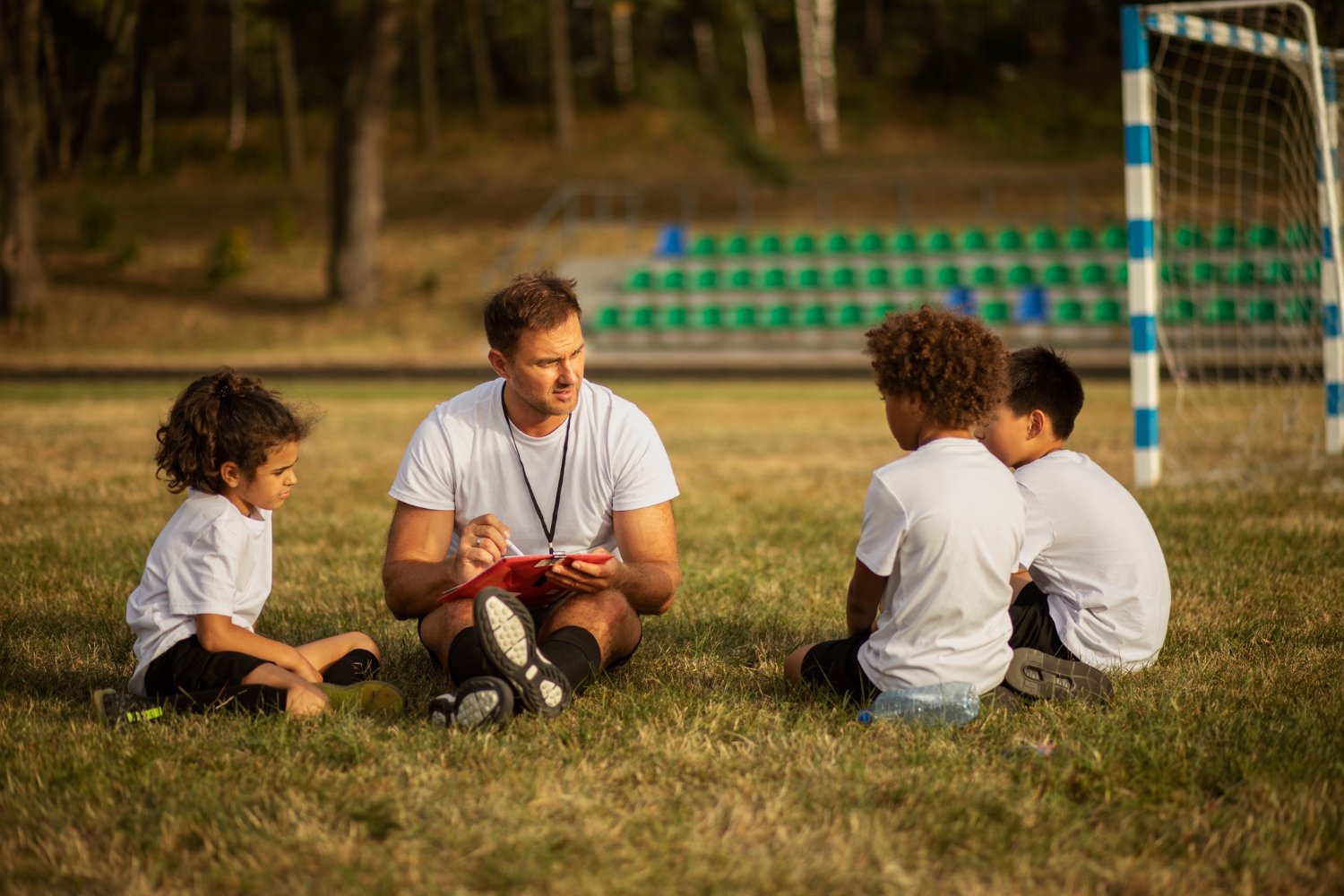
For families in rural and underserved areas, especially across the North Carolina Piedmont and mountains, finding the right educational path goes far beyond academics alone. Parents seeking private Christian education are guided not only by a desire for rigorous academics but also by the hope that their children will grow in Christ-like character, practical life skills, and resilient leadership. Central to this vision are strong Christian school athletics programs that intentionally integrate faith and competition. The athletic field becomes a fertile ground where spiritual discipline, biblical servant leadership, and real-world skills are forged, shaping young people into leaders equipped for every arena of life. Christian athletics is about far more than wins and stats. Within a Christ-centered educational framework, sports offer a vibrant setting in which students are challenged, supported, and refined. Guided by coaches who model humility and integrity, athletes learn that every moment on the court or field, both the triumphs and the setbacks, can be used by God to develop perseverance, self-control, and true leadership rooted in service to others, not just personal glory. These lessons shape students not only for college and careers but for lifelong faithfulness in their families, churches, and communities. When woven thoughtfully into a school’s curriculum and culture, athletics acts as a spiritual discipline. Practices, games, and team interactions become opportunities to put biblical principles into action: love for teammates, courage in adversity, integrity under pressure, and respect for opponents. This holistic approach to athletic development is especially crucial in today’s world, where young people need more than technical skills, as they need foundation-shaping experiences that equip them with the resilience and Christ-like character required to thrive and lead. As parents contemplate the best schooling options for their children, it is important to look beyond the scoreboard and consider the lasting impact of faith-integrated sports programs. Schools like Haywood Christian Academy stand out by providing athletics as a laboratory for leadership, using each season and challenge to point students toward excellence, self-discipline, and servant-hearted influence. For a closer look at the benefits of athletics in Christian education, parents can explore how schools are uniquely preparing students for leadership roles rooted in faith.
Teamwork and Collaboration
Team sports demand cooperation and unity, creating a practical context where students must learn to work alongside those with different strengths and personalities. Players are taught to value each part of the team, much like the Apostle Paul’s analogy of the body in 1 Corinthians 12. This biblical truth comes alive across everything from the practice field to the championship game, fostering empathy, humility, and the ability to build trust. These collaborative habits are vital for Christian leadership, whether serving in the church, workplace, or community.
Discipline and Time Management
Consistent training, early practices, and balancing homework with game schedules teach students self-control and careful time stewardship. Rather than seeing these routines as mere obligations, Christian athletics encourages students to view discipline as a form of discipleship, an offering of their time and energy to honor God with excellence. Developing this discipline equips students to lead themselves before leading others.
Decision-Making Under Pressure
Competitive sports regularly place young athletes in moments where rapid, values-driven decisions must be made for the good of the team. Such experiences train students to think wisely under pressure, navigate setbacks, and bounce back from mistakes without losing sight of integrity. These moments also highlight the importance of prayer and seeking God’s wisdom, reinforcing daily dependence on Christ in all aspects of life.
Communication Skills
Effective communication is at the heart of any team sport. Whether strategizing before a big match or encouraging a teammate after a tough loss, these settings teach students to express themselves honestly, listen well, and build others up. The ability to communicate with humility and clarity is a core leadership quality that enables future success in both personal and professional relationships.
Resilience and Adaptability
Every athlete soon learns that the journey is full of setbacks, losses, injuries, and unexpected challenges. Christian sports programs use these experiences to instill hope, resilience, and the ability to trust God’s plan even when the outcome is uncertain. Through this process, students discover that failure does not define them but instead becomes a catalyst for spiritual growth and increased perseverance, qualities at the core of biblical leadership.
Servant Leadership and Christ-like Influence
In Christ-centered schools, coaching staff intentionally model servant leadership, showing students that the greatest leaders serve others first, just as Jesus did. Athletes learn to put their teammates first, to encourage instead of criticize, and to use their influence for the good of others. Through these lessons, students are prepared to lead by example, making their faith visible through actions and attitudes both in sports and beyond.
The Christian Worldview Connection
True Christian education integrates biblical truth not just in Bible classes but throughout daily life. Athletics at schools like HCA serve as dynamic, real-world laboratories where a Christian worldview is lived out. Students are reminded that faith is holistic, touching how they train, compete, and treat others. This integrated approach stands out, especially for families seeking education that forms both the mind and heart for a lifetime of following Jesus.
Real-World Examples of Leadership Development
Christian schools nationwide are recognizing the biblical and practical value of athletics in shaping leaders. Haywood Christian Academy has seen countless graduates emerge not only as athletic standouts but also as mentors, student-leaders, and positive influencers in their communities. By providing structured opportunities for service, team leadership, and spiritual mentorship within sports, these schools plant seeds for future generations of Christ-like leaders.
Conclusion
For parents in the North Carolina foothills and beyond, pursuing a faith-filled, whole-person education for their children means considering how each aspect of schooling, from the classroom to the athletic field, shapes character and prepares children for God’s calling. Christian athletics, when rooted in biblical principles and guided by devoted mentors, becomes an invaluable tool for preparing tomorrow’s leaders. Through teamwork, discipline, resilience, and a commitment to servant leadership, students are equipped with the confidence and Christ-centered perspective needed to stand firm and lead boldly no matter where God calls them next.