Table of Contents
- Rising Costs of Car Ownership
- Consumer Shift Towards Smaller Vehicles
- The Hybrid Vehicle Boom
- Electric Vehicles Gaining Traction
- Impact on Automakers and Market Strategies
- Future Outlook
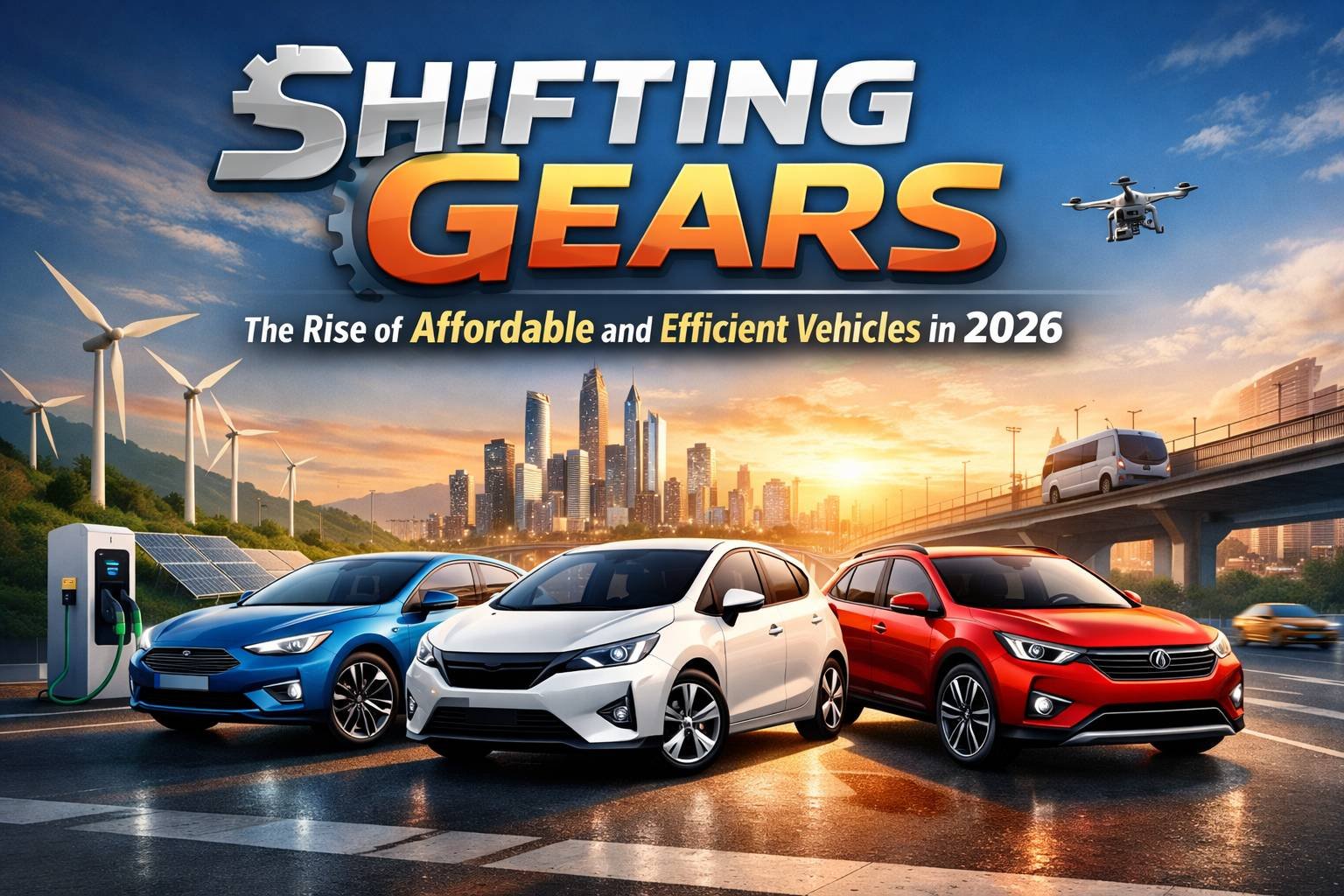
The automotive industry is experiencing a significant transition as affordability and efficiency take center stage in 2026. Driven by rising car ownership costs and rapidly evolving consumer preferences, manufacturers are prioritizing vehicles that deliver both cost savings and fuel efficiency. These changes not only reflect economic realities but also shape transportation choices for millions of Americans. Learn more about how shifts in market demand are influencing the vehicles available on dealership lots across the country.
Automakers are responding to a new wave of consumer consciousness. More drivers are examining the total cost of owning a car, leading to a surge in demand for models that balance performance, value, and operating expenses. Technological advances, combined with changing societal attitudes, are further accelerating this shift. As drivers consider not just the sticker price but the yearly costs, 2026 stands out as a year marked by wise, sustainable transportation choices.
These trends are reshaping both what manufacturers produce and what buyers expect when they walk into a dealership. Today’s shoppers look for vehicles that are thoughtfully designed to offer space, versatility, and advanced safety tech, without breaking the bank. As the move towards electrification and hybrid technology gains momentum, affordability remains crucial for mass adoption.
The adoption of new technologies, especially in hybrid and electric vehicles, has also heightened sustainability efforts. As more environmentally conscious buyers enter the market, automakers are being challenged to innovate faster than ever before. To explore the broader economic impacts and data on US vehicle affordability, consider recent CNBC coverage.
Rising Costs of Car Ownership
The financial burden of vehicle ownership has grown remarkably in the past few years, with unexpected expenses catching many drivers off guard. According to recent data, annual ownership costs now average $7,303, excluding loan or lease payments. This figure is nearly 167% more than what consumers estimate, highlighting a persistent knowledge gap regarding routine maintenance, insurance, taxes, and registration fees. Understanding these expenses is increasingly vital as inflation and financing rates remain elevated, making it crucial for shoppers to look beyond the upfront price tag.
Consumer Shift Towards Smaller Vehicles
Amid rising prices and higher interest rates, a renewed interest in compact and subcompact cars is underway in the US market. In 2024, sales of small cars are outpacing overall market growth, as buyers seek relief from the costs of SUVs and trucks. While larger vehicles remain desirable, the affordability and improved features of compact cars are prompting buyers to reconsider their options. Modern small cars now offer surprising levels of passenger comfort, advanced safety systems, and smartphone integration, which help bridge the gap for shoppers previously drawn to bigger models.
Modern Compact Cars: Not What They Used to Be
Unlike previous generations, today’s compact vehicles are far from stripped-down budget models. Many hybrids and compact sedans now come standard with features such as adaptive cruise control, lane-keeping systems, and touchscreen infotainment. As a result, drivers get more value for their money, making the purchase of a smaller vehicle a practical choice rather than just a budget necessity. According to Edmunds data, this trend is expected to continue as younger buyers enter the market and seek cost-effective, reliable transportation.
The Hybrid Vehicle Boom
The hybrid market is experiencing robust growth in 2026, as drivers increasingly favor models that deliver better fuel efficiency without the perceived limitations of complete electrification. Hybrids are expected to make up 14% of the US vehicle market by year’s end, up from just 9% the previous year. Consumers appreciate that hybrid technology is available in a broad range of models, from compact sedans to family SUVs and even full-size trucks. With only a modest premium over traditional gasoline vehicles, hybrids offer tangible fuel savings, making them an attractive bridge for those not ready to commit to an all-electric future.
Electric Vehicles Gaining Traction
While hybrid models are surging, electric vehicles are steadily moving into the mainstream. EV models accounted for 9% of all vehicle sales in 2024, up from 8% in 2023. This uptick comes despite a 56% price increase for new EVs since 2019. Encouragingly, the first half of this year brought a 4% decrease in new EV prices compared to last year, with buyers saving an average of $2,400 per vehicle. Additionally, improved inventory levels have given consumers more options and greater bargaining power at the dealership.
Challenges in EV Adoption
Despite these positive trends, significant hurdles remain. Infrastructure, charging accessibility, and lingering concerns over resale values still pose challenges. However, continued investments in battery technology and public charging networks are expected to slowly address these barriers, helping broaden the appeal of EVs beyond early adopters.
Impact on Automakers and Market Strategies
Automakers have adapted their product lines and strategies to stay relevant in this changing market. Budget-friendly models, such as the Chevrolet Trax priced at $21,495, are seeing strong demand, reflecting Americans’ renewed appetite for affordable transportation. Car manufacturers are also rapidly expanding their hybrid and EV portfolios, often making hybrid powertrains available in staple models where gasoline engines once dominated. Some brands are investing in flexible manufacturing to respond more swiftly to market preferences, offering buyers more variety while managing changing supply chain dynamics.
Future Outlook
The automotive industry is likely to continue focusing on affordability, efficiency, and sustainability. As the market matures, shoppers can expect a broader range of compact, hybrid, and electric vehicles tailored to varied budgets and needs. Automakers will need ongoing innovation in pricing, production, and technology to satisfy the demands of both cost-conscious and environmentally motivated buyers. Ultimately, the vehicles of tomorrow will be defined not only by how they perform on the road but by how they fit into consumers’ financial plans and environmental values.
In summary, 2026 stands as a defining year for the auto industry, where the need for affordability and fuel efficiency is driving a fundamental market transformation. With consumers empowered by choice and automakers quick to innovate, the future of personal transportation looks more accessible and sustainable than ever before.