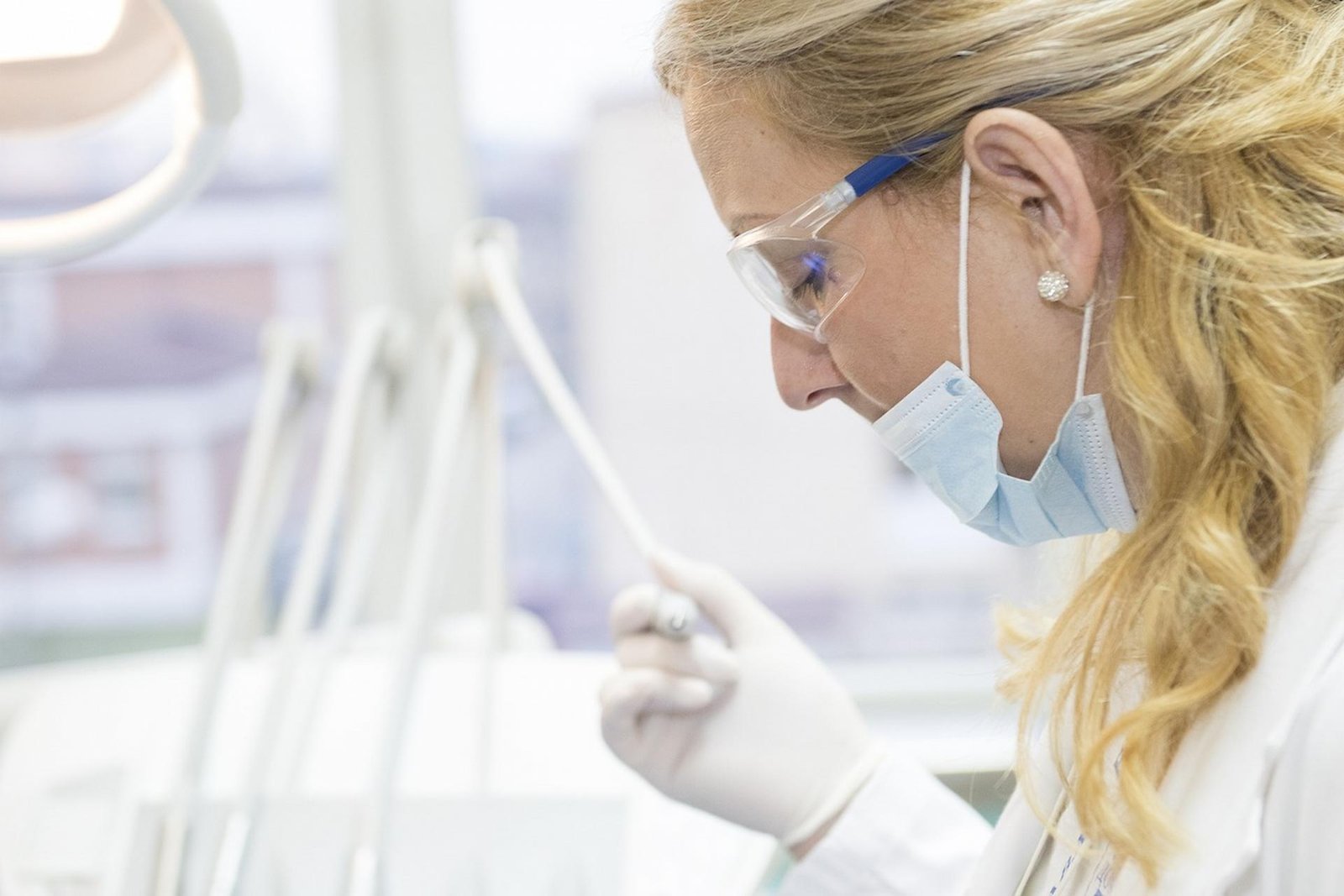
Dental emergencies can strike anywhere, turning your dream vacation into a stressful ordeal. Whether it’s a sudden toothache, chipped tooth, knocked-out tooth, or lost filling, knowing the right immediate action can save your smile and your trip. This comprehensive guide covers common travel dental emergencies, step-by-step first-aid solutions, essential items for a travel dental kit, and prevention tips. Discover expert advice on emergency dental care, insurance claims, and long-term solutions like dental implants for complete oral health protection.
Traveling to a new destination is exciting—experiencing new cultures, cuisines, and sights is what makes exploring so thrilling. However, unexpected situations can arise, and dental emergencies are no exception. Imagine enjoying a beautiful vacation only to find yourself dealing with a sudden cavity or a knocked-out tooth. Knowing what to do in these situations can save your adventure and, more importantly, your smile.
This guide will walk you through how to identify common dental emergencies, what steps to take immediately, and how to prevent such issues while traveling. We’ll also introduce you to options for long-term dental care, such as seeking dental implant services if necessary.
Common Dental Emergencies While Traveling
Dental emergencies can range from minor inconveniences to severe problems that require immediate care. Here are some issues travelers often face:
1. Toothaches
Toothaches often seem to strike at the worst time. They can be caused by anything from food lodged in your gums to serious infections.
Immediate Action:
- Rinse your mouth with warm salt water to clean the area.
- Use dental floss to remove any debris that might be stuck.
- If the pain persists, take over-the-counter pain relievers like ibuprofen and consult a dentist as soon as possible.
2. Chipped or Broken Teeth
Chipping or breaking a tooth can happen unexpectedly, whether you bite down on something hard or have a fall while hiking or exploring.
Immediate Action:
- Save any broken pieces in a clean container with milk to preserve the tooth.
- Rinse your mouth gently with warm water.
- Apply gauze to stop any bleeding, followed by a cold compress to reduce swelling.
- Visit a dentist to assess the damage.
3. Knocked-Out Tooth
This is one of the most urgent dental emergencies, often needing immediate attention to save the tooth. Fast action is critical here.
Immediate Action:
- Hold the tooth by the crown (not the root) and gently rinse it with water. Don’t scrub the tooth.
- Attempt to place the tooth back into its socket if possible. If not, store it in milk or saline solution.
- Visit the nearest emergency dental clinic within 30 minutes to increase the likelihood of saving the tooth.
4. Lost Filling or Crown
Lost fillings or crowns can cause discomfort and even sensitivity to temperature or pressure.
Immediate Action:
- Cover the exposed area with sugar-free gum or dental cement from a pharmacy to protect it temporarily.
- Book an appointment with a local dentist to have it repaired.
5. Mouth or Jaw Injuries
A bump or injury to the jaw can lead to swelling, bruises, or in some cases, a misaligned bite. If the pain persists, it may indicate a fracture.
Immediate Action:
- Use a cold compress to reduce swelling.
- Avoid excessive jaw movement or eating hard foods.
- Seek immediate dental or medical attention to prevent further issues.
Steps to Take During a Dental Emergency While Traveling
Knowing how to handle a dental emergency can reduce panic and ensure you get the care you need. Here are some steps to guide you:
1. Stay Calm
Panicking can make the situation worse. Take a few deep breaths and focus on assessing the issue at hand.
2. Carry a Travel Dental Kit
A travel dental kit can be your first line of defense in an emergency. Include items like floss, gauze, dental cement, a small mirror, and over-the-counter painkillers.
3. Locate the Nearest Dentist
Before traveling, you should research local emergency dental services in your destination. Apps like MyDental offer directories of reputable dental clinics globally.
4. Communicate Clearly
If you’re traveling to a country where you don’t speak the language, bring a translation app or have a card that explains your condition in the local language.
5. Document Expenses for Insurance Claims
Many travel insurance policies include coverage for emergency dental care. Save all your receipts and medical records to file a claim later.
Prevention Tips to Avoid Dental Emergencies While Traveling
While not all emergencies can be prevented, taking preventive measures can greatly reduce the likelihood of issues arising.
- Visit Your Dentist Before Traveling
Get a routine check-up and cleaning before you leave. Your dentist can identify potential problems and address them ahead of your trip.
- Invest in Protective Gear
If you’re engaging in activities like hiking or sports, consider using a mouthguard to protect your teeth.
- Watch What You Eat
Avoid chewing on ice, hard candies, or anything that could potentially chip your teeth.
What to Do After Returning Home
Even if you had a minor dental emergency while traveling, follow up with your dentist after returning home to ensure the problem has been resolved. Proper care and follow-up can prevent lasting issues.
Protect Your Smile While Exploring the World
Traveling enriches your life with unforgettable experiences, but the unexpected can disrupt even the best-laid plans. By knowing how to handle dental emergencies and taking steps to prevent them, you can enjoy your adventures worry-free.
FAQ (Frequently Asked Questions)
What should I do if I get a toothache while traveling?
Rinse your mouth with warm salt water to clean the area and dislodge any trapped food, then use dental floss to remove any remaining pieces. Take over-the-counter pain relievers like ibuprofen to manage discomfort. If pain persists beyond a day or worsens, contact a local dentist immediately, as toothaches can signal infections that require urgent treatment.
Can a knocked-out tooth be saved during a trip?
Yes, a knocked-out tooth can often be saved if treated within 30 minutes. Hold the tooth by the crown, gently rinse without scrubbing, and try reinserting it into the socket. If that’s not possible, store it in milk or saline solution and rush to the nearest emergency dental clinic immediately.
Does travel insurance cover dental emergencies abroad?
Many travel insurance policies include coverage for emergency dental care, but the extent varies by provider. Always review your policy before traveling and save all receipts, prescriptions, and medical records from any treatment. Submit these documents promptly when filing a claim to ensure reimbursement for qualifying emergency dental expenses incurred during your trip.
What should I pack in a travel dental emergency kit?
A travel dental kit should include dental floss, gauze, temporary dental cement, a small mirror, cotton balls, and over-the-counter painkillers like ibuprofen. Add a saline solution, sugar-free gum for covering lost fillings, and your dentist’s contact information. This kit serves as your first line of defense during unexpected dental emergencies abroad.
How can I prevent dental emergencies before traveling?
Schedule a routine dental check-up and cleaning before your trip so your dentist can identify and treat potential issues early. Wear a mouthguard during sports or adventurous activities, avoid chewing ice or hard candies, and maintain proper oral hygiene throughout your journey to significantly reduce the risk of dental emergencies.
What should I do if I lose a filling or crown while traveling?
Cover the exposed tooth area with temporary dental cement from a pharmacy or sugar-free gum to protect it from sensitivity and damage. Avoid chewing on that side and steer clear of extremely hot, cold, or sugary foods. Promptly book an appointment with a local dentist to have the filling or crown properly replaced.
Should I see my dentist after returning home from a dental emergency abroad?
Yes, always follow up with your regular dentist after returning home, even if the issue seemed resolved during your trip. They can assess the temporary treatment, identify any underlying problems, and recommend long-term solutions, such as dental implants, if needed. Prompt follow-up care prevents complications and ensures your smile stays healthy in the long term.
Conclusion
Dental emergencies while traveling can be stressful, but being prepared makes all the difference in protecting your oral health and salvaging your trip. From sudden toothaches and chipped teeth to knocked-out teeth and lost fillings, knowing the right immediate action steps—rinsing with warm salt water, preserving broken pieces in milk, or applying a cold compress—can prevent minor issues from becoming major dental problems. Always pack a travel dental emergency kit, research local emergency dental clinics at your destination, and keep your travel insurance documents handy in case of a claim.
Prevention remains the best strategy: schedule a pre-travel dental check-up, wear a protective mouthguard during adventurous activities, and maintain good oral hygiene throughout your journey. If you experience a dental emergency abroad, don’t skip the follow-up appointment with your trusted dentist once you’re home. For lasting solutions such as dental implants, crowns, or other restorative dentistry, professional care ensures your smile remains healthy, functional, and beautiful. Travel smart, stay prepared, and protect your smile wherever your adventures take you.
Disclaimer
Medical Disclaimer: This article is for informational purposes only and does not substitute professional dental advice, diagnosis, or treatment. Always consult a qualified dentist for personalized care during dental emergencies.
Visit Go2Blog.com today for more expert advice on dental health, travel safety, and lifestyle wellness. Your smile deserves the best care—wherever your journey takes you!