Key Takeaways
- Game-ready practice connects basic skills to real basketball situations.
- Players need shooting, ball handling, defense, movement, teamwork, and decision-making.
- Focused sessions with clear goals are more valuable than long, unfocused workouts.
- Small-sided games create more touches, decisions, and chances to learn.
- Parents can help by supporting effort, recovery, confidence, and long-term growth.
Table Of Contents
- Why Practice Must Look More Like The Game
- Build A Strong Skill Foundation
- Add Decision-Making To Every Workout
- Use Small-Sided Games For Faster Learning
- Create A Simple Weekly Practice Plan
- Use Feedback Without Overloading Young Players
- How Parents Can Support Progress
- What To Look For In A Youth Basketball Program
- Common Questions From Parents And Players
Young players improve most when practice prepares them to make plays, not simply complete drills. For families in Chicago and the surrounding suburbs, Sharks Basketball Academy is a youth and travel basketball organization serving Melrose Park, Elmwood Park, and the greater Chicagoland area through skill development, camps, local league play, and competitive team opportunities. Its focus on structured training and meaningful game experience makes it a useful example of what purposeful player development can look like.
A player may make ten open shots in a line drill, then hesitate during a game when a defender closes out or a teammate cuts to the basket. The difference is not talent alone. It is whether practice includes movement, pressure, communication, and the need to make a choice.
Why Practice Must Look More Like The Game
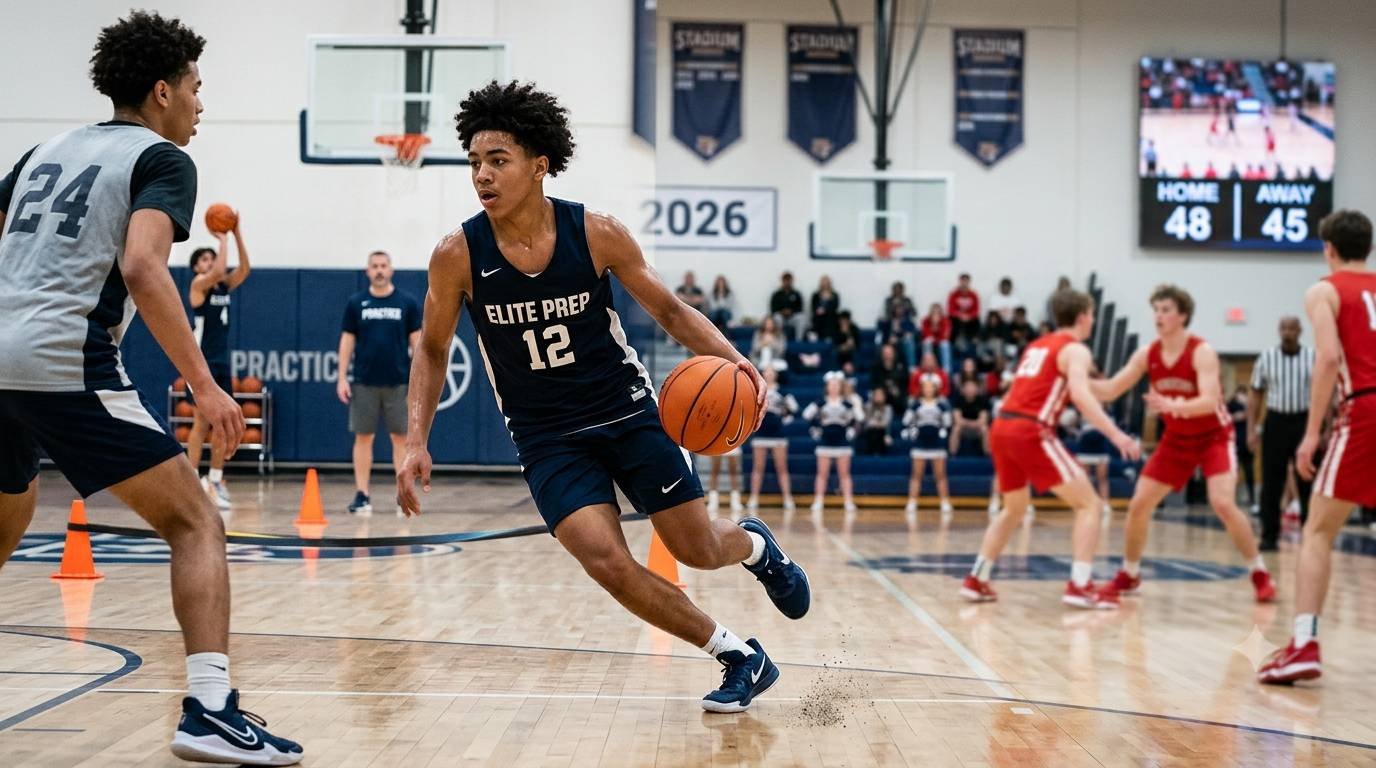
Useful practice puts a skill into context. Instead of taking stationary shots, a player can sprint to a spot, catch a pass, read a closing defender, and choose to shoot, drive, or move the ball. That repetition teaches footwork, timing, and awareness at once. Coaches can set measurable goals, such as making five shots after a change of direction or completing three strong decisions in a row.
Build A Strong Skill Foundation
Advanced moves matter far less when a player cannot stop under control, pivot, pass accurately, or protect the ball. The best foundation includes balanced footwork, ball control with both hands, shooting form, passing technique, defensive stance and slides, jumping and landing mechanics, and finishing near the basket.
Suggested Practice Progression
- Teach the movement slowly and correctly.
- Repeat it with both hands or in both directions.
- Add a defender, a visual cue, or a time limit.
- Use the skill in a two-on-two or three-on-three game.
- Review one success and one adjustment before repeating it.
Add Decision-Making To Every Workout
Basketball is a team sport. Players must recognize open space, help defense, passing lanes, screens, rebounding position, and changes in pace. Add choices to drills with a pass-or-drive setup, a closeout drill where the player chooses shot, drive, or pass, or an advantage situation such as two-on-one. A countdown near the end line can also teach players to stay calm while under pressure. Mistakes are valuable when players can identify what they saw, adjust, and try again.
Use Small-Sided Games For Faster Learning
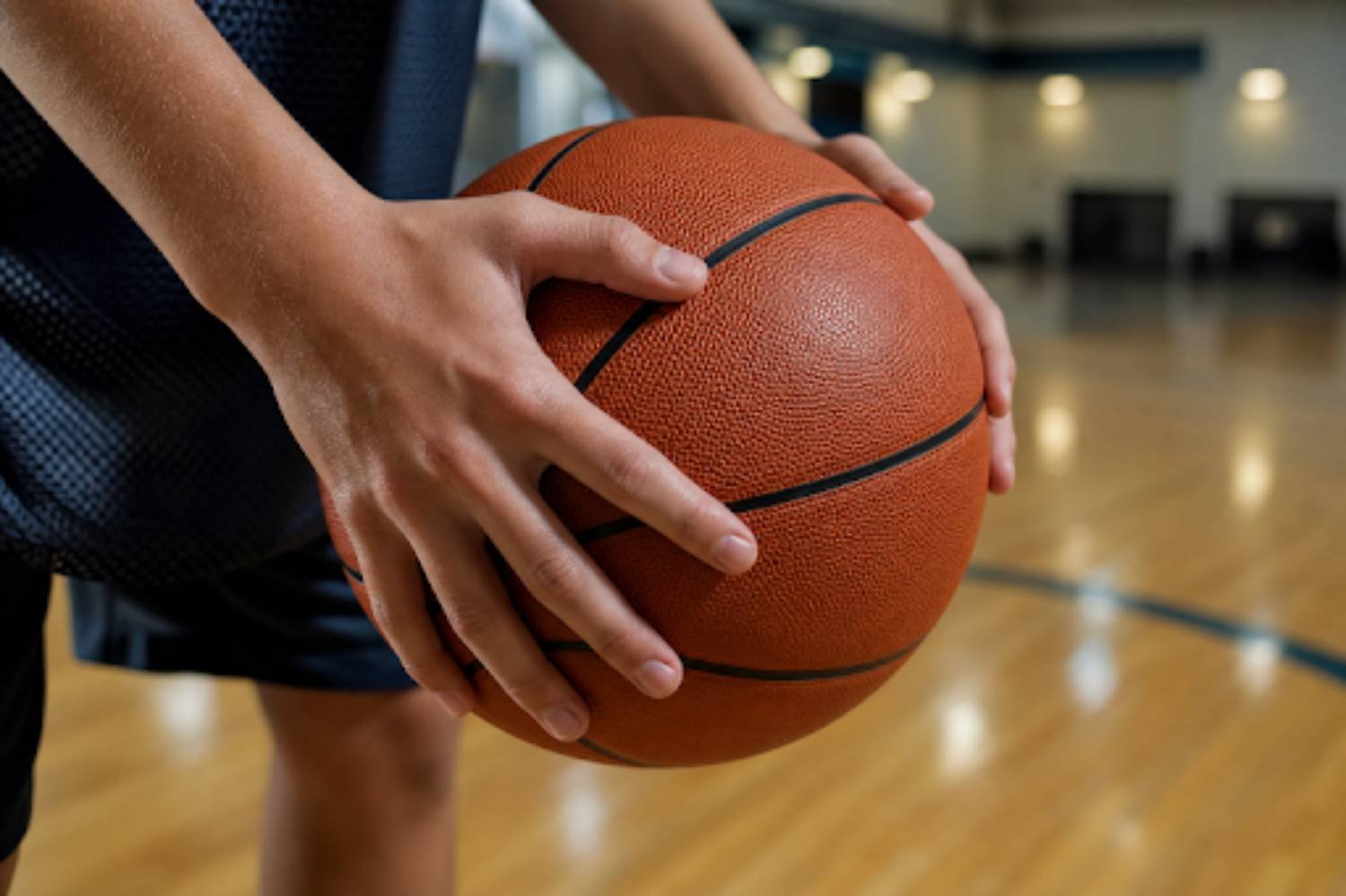
Two-on-two, three-on-three, and four-on-four games often give young athletes more involvement than full-court five-on-five. With fewer players, each athlete handles the ball more often, defends more often, and has less opportunity to stand in one spot.
- Limit dribbles to encourage passing and off-ball movement.
- Require a paint touch before a shot to promote attacking play.
- Award an extra point for an assist, deflection, or defensive stop.
- Start possessions with different players to build confidence in every role.
- Use a short shot clock when players are ready for more pace.
Rules should fit the group. Younger or newer players need room to explore, while experienced players may benefit from tighter constraints and quicker decisions.
Create A Simple Weekly Practice Plan
A sustainable schedule leaves room for school, family time, recovery, and enjoyment. Families and coaches can adapt this simple weekly framework:
- Monday: Ball handling, pivots, passing, and finishing.
- Tuesday: Footwork, defensive movement, balance, and landing.
- Wednesday: Rest, light movement, or another enjoyable activity.
- Thursday: Form shooting, game-speed shots, and free throws.
- Friday: Small-sided games and advantage drills.
- Weekend: Team practice, a game, open gym, or relaxed free play.
Use Feedback Without Overloading Young Players
Too many corrections can make a player tense. Keep feedback simple: name one strength, choose one skill to improve, give one short cue, then let the player try again. Cues such as “see the floor before the dribble,” “land softly,” and “finish through the target” are easier to use than a long technical explanation. Praise focus, communication, and effort, not only points.
How Parents Can Support Progress
Parents can make basketball healthier by asking, “What did you learn today?” instead of focusing only on the score. Support regular sleep, hydration, and recovery, and let coaches handle most technical instruction during team sessions. The CDC’s guidance on sleep and health is also a helpful reminder that recovery supports a young athlete’s daily well-being.
Confidence often grows in unexpected ways. A player who learns to talk on defense, make the extra pass, and recover after a missed shot may become more valuable and more comfortable than a player focused only on scoring.
What To Look For In A Youth Basketball Program
Families should look beyond trophies and uniforms. Ask how players are grouped by age and ability, how much practice time is devoted to development, whether beginners have a path to grow, how playing time and team roles are handled, and how coaches communicate with families. A strong program provides instruction, competition, feedback, safety awareness, and an environment where players can enjoy improving.
Common Questions From Parents And Players
How Often Should A Young Player Practice?
Consistency matters more than extreme volume. A few focused sessions each week can produce steady progress when the player also has adequate rest and time away from the sport.
Should Young Players Specialize In Basketball?
Basketball practice builds basketball skills, but other activities and free play can support coordination, movement, and enjoyment. The right balance depends on the child’s interests, schedule, and recovery.
What Should A Player Do After A Bad Game?
Identify one thing done well, one decision to improve, and one goal for the next practice. A disappointing game becomes productive when it leads to a specific next step.
How Can A Player Improve Without A Full Gym?
Safe at-home work can include ball handling, wall passing, footwork, balance, defensive slides, visualization, and form shooting, where space allows.
Final Thoughts
Game-ready basketball development is simple in principle: learn sound fundamentals, practice them with purpose, make decisions under manageable pressure, and keep playing in a positive setting. Young athletes do not need perfect workouts. They need patient coaching, clear goals, healthy routines, and regular chances to enjoy the game.