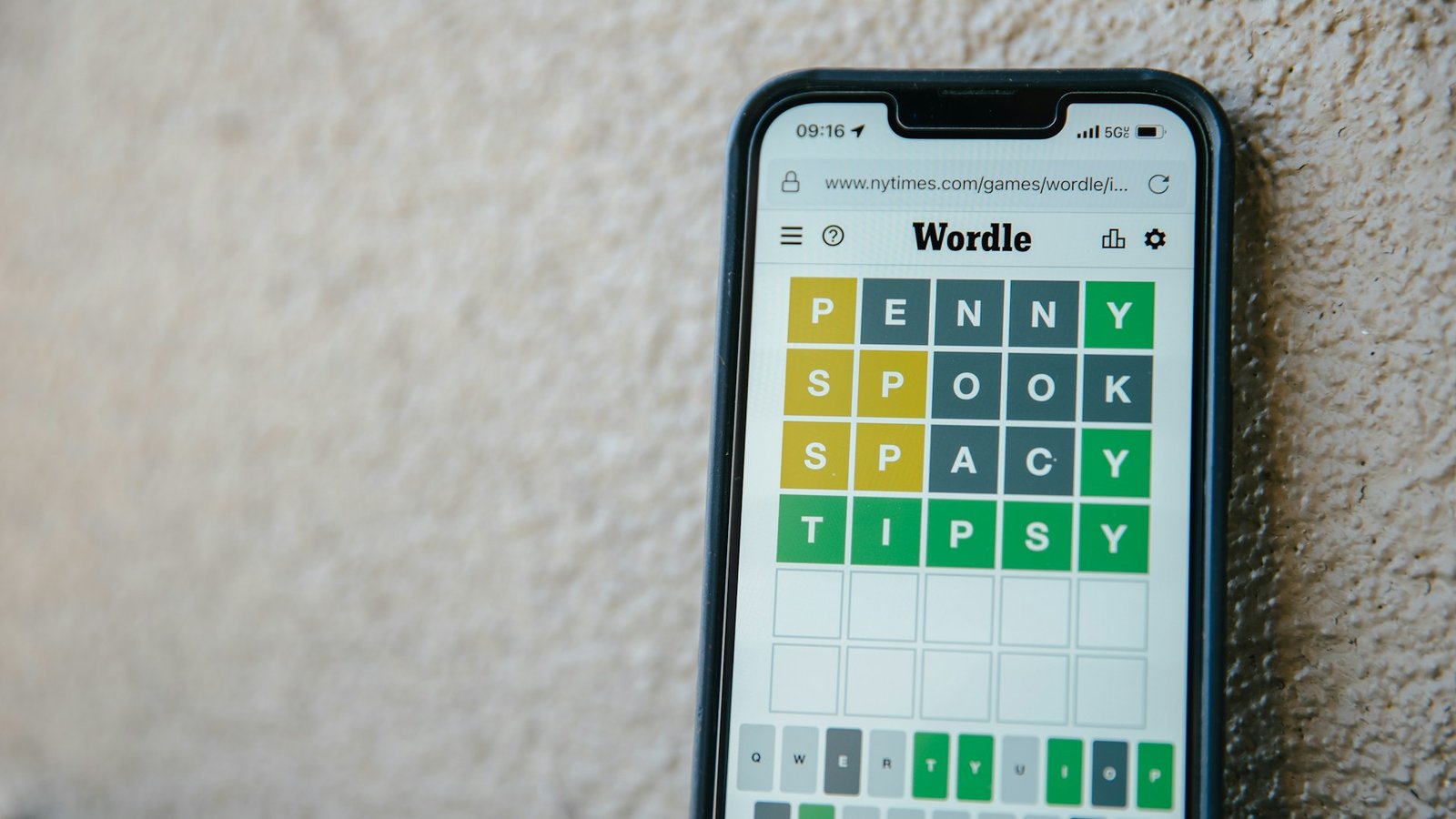
If you’ve ever played word puzzle games, chances are you’ve come across Wordle. The simple daily game became hugely popular thanks to its easy rules and satisfying challenge. Sedecordle takes that familiar idea and pushes it much further, making it a better fit for players who want something more demanding.
Both games are based on guessing hidden five-letter words, but the way you play them is very different.
Wordle gives you one puzzle and six attempts to solve it. Sedecordle, on the other hand, puts sixteen puzzles in front of you and gives you just twenty-one guesses to work with. That means players need to think about several word patterns at once while carefully deciding how to use every guess.
So, between Sedecordle and Wordle, which one is actually harder? It comes down to more than vocabulary. Memory, concentration, logical thinking and the ability to manage several puzzles at once all play a role.
Let’s look at how the two games compare and what makes Sedecordle such a step up from the original Wordle experience.
How Wordle Works
Wordle is a daily word game where you have six attempts to find a hidden five-letter word. Each time you enter a guess, the game gives you colour-coded clues to help you work towards the answer.
A green letter means you’ve found the right letter and placed it correctly. Yellow tells you that the letter is part of the answer but is in the wrong position. A grey letter means it doesn’t appear in the hidden word.
One of Wordle’s biggest strengths is how easy it is to understand. Everyone receives the same daily puzzle, which also makes it fun to compare results with friends and family.
A typical game takes only a few minutes, so it can easily become part of a morning routine or a quick break during the day. Despite its simple format, Wordle still gives players plenty of opportunities to use vocabulary, deduction and pattern recognition.
What Makes Sedecordle Different?
Sedecordle takes the basic Wordle format and turns it into a much larger challenge.
Instead of trying to discover one five-letter word, players have to solve sixteen words at the same time. You get twenty-one guesses, and each guess is entered across all sixteen boards.
Every board gives its own set of colour-coded clues. This means you’re constantly moving between puzzles, remembering which letters have been confirmed and deciding where your next useful guess should go.
The game isn’t simply sixteen separate Wordle puzzles. The shared guesses make every decision more important because one word can provide useful information across several boards.
The Main Difference in Gameplay
The clearest difference between the two games is the amount of information you have to process.
With Wordle, you’re concentrating on a single five-letter answer and have six guesses available.
With Sedecordle, you’re dealing with sixteen answers while having only twenty-one guesses for the entire game.
That changes the way you need to think. A random guess that might be harmless in Wordle can waste valuable information in Sedecordle. Each attempt needs to serve a purpose, ideally revealing letters that can help with several boards.
The result is a much more involved puzzle that requires constant decision-making.
Which One Puts More Pressure on Your Brain?
When it comes to difficulty, Sedecordle is clearly the tougher option.
Wordle mainly tests your vocabulary, deduction and ability to recognise word patterns. Since you’re working on one answer, it’s easier to stay focused and keep track of your clues.
Sedecordle adds several extra demands. You need to monitor sixteen boards, remember the information you’ve uncovered on each one, decide which puzzle to work on and make sure you’re not wasting guesses.
The constant switching between boards can also lead to mental fatigue. Even someone who is very comfortable with Wordle can make basic mistakes when trying to keep track of sixteen different sets of clues.
The Strategy You Need for Each Puzzle
A strong Wordle strategy often starts with an opening word containing useful vowels and common consonants. Once you receive the colour clues, you can gradually eliminate possibilities and narrow down the answer.
Sedecordle needs a different approach.
Rather than trying to finish one board straight away, your early guesses should usually aim to uncover as many useful letters as possible across all sixteen puzzles. Choosing words with common vowels and consonants can provide valuable information on multiple boards.
As the game develops, you’ll need to decide which boards are close to being solved and which ones need more information. You may solve an easy word while keeping another board open until you have enough clues.
Planning ahead is therefore a major part of playing Sedecordle successfully.
How Long Does Each Game Take?
The amount of time required is another noticeable difference.
A typical Wordle game can be completed in around three to ten minutes. Even a particularly difficult puzzle usually doesn’t require a huge amount of time.
Sedecordle is much more demanding in this respect. Depending on your experience and how difficult the words are, completing all sixteen boards can take anywhere from twenty minutes to around forty-five minutes.
Wordle works well for people who want a quick daily challenge. Sedecordle is better suited to players who enjoy sitting down for a longer puzzle-solving session.
Which Game Gives Your Vocabulary More Work?
Both games can help you become more familiar with words, but Sedecordle gives you many more opportunities to do so.
Wordle introduces one hidden word each day. That can still expose you to words you don’t regularly use and encourage you to think more carefully about spelling.
Sedecordle gives you sixteen words in a single session. This means you’ll encounter a much wider mix of word combinations and spelling patterns over time.
Working through multiple boards can also help you recognise common combinations of letters more quickly. With regular play, you may find yourself becoming faster at spotting possible words and remembering unusual spellings.
Memory Becomes Much More Important
Memory isn’t a major concern when you’re playing Wordle. You only have one board to follow, so keeping track of your guesses and clues is fairly straightforward.
Sedecordle is another story.
You need to remember which letters have been identified on each board, where those letters can appear, which combinations you’ve already tested and which puzzles still need attention.
Because you’re constantly switching from one board to another, concentration is just as important as vocabulary. Missing one small clue can make a puzzle much harder than it needs to be.
For people who enjoy games that challenge focus and short-term memory, this is one of the most appealing parts of Sedecordle.
Is Sedecordle Suitable for New Players?
Wordle is much easier for beginners to pick up. The rules are simple, and new players can understand the basic idea almost immediately.
Sedecordle can feel overwhelming when you first open it. Sixteen boards demand a different approach, and it can take several attempts to become comfortable with managing them all.
Starting with Wordle can make the transition easier. Once you’re familiar with colour clues, common word patterns and basic guessing strategies, you’ll have a stronger foundation for tackling Sedecordle.
You don’t have to be an expert before trying it, but some experience with Wordle can certainly help.
Which Game Gives You More to Play?
Wordle’s daily format is part of its appeal. You get one official puzzle, solve it and then have to wait until the next day for another.
Sedecordle can offer much more freedom. Depending on the version you’re playing, you may have access to practice games as well as daily puzzles.
That means you can keep playing and testing different strategies without having to wait for the next day’s challenge.
For dedicated word game fans, the additional practice and replay opportunities can make Sedecordle more appealing.
The Better Pick for a Relaxed Game
If you want something quick and uncomplicated, Wordle is probably the better choice.
Its simple layout, single puzzle and short playing time make it easy to enjoy without becoming mentally tiring. You can play it during a coffee break, before work or as part of your daily routine.
Sedecordle requires considerably more concentration, so it may not be ideal if you’re only looking for a few minutes of casual entertainment.
For a straightforward daily word challenge, Wordle remains an excellent option.
Where Competitive Players May Prefer Sedecordle
Players who enjoy pushing their skills tend to get more from Sedecordle.
Solving sixteen words with only twenty-one guesses requires careful planning and efficient use of information. Finishing the entire set successfully can feel like a much bigger achievement than completing a single Wordle puzzle.
Experienced players can also work on improving their completion rate, reducing unnecessary guesses and finding better opening strategies.
Sedecordle rewards patience and careful thinking, making it particularly appealing to people who enjoy a tougher mental challenge.
Skills Shared by Both Word Games
Despite the difference in difficulty, Wordle and Sedecordle are built around many of the same basic skills.
Vocabulary helps you identify possible answers. Logical thinking allows you to remove words that don’t fit the clues. Pattern recognition helps you spot familiar structures and likely letter combinations.
Players also become more comfortable with common combinations such as TH, SH, CH, ER and IN.
This shared foundation explains why Wordle can be a useful starting point for anyone who eventually wants to take on Sedecordle.
Ways to Improve at Sedecordle
If you’re trying to get better at Sedecordle, start by choosing opening words that contain several common vowels and consonants. The aim is to collect useful information rather than immediately solve one particular board.
Try not to focus too heavily on a single puzzle during the early stages. Look across all sixteen boards and consider how each guess can reveal information in several places.
Keep an eye out for repeated patterns too. A single guess can sometimes uncover useful clues on multiple boards, so recognising those connections can save valuable attempts.
Most importantly, don’t rush. Sedecordle rewards players who take their time, study the available clues and think carefully before committing to a guess.
Why Playing Both Can Be Worthwhile
There’s no reason to choose only one.
Wordle is a quick way to practise vocabulary, deduction and word recognition without taking up much of your day. Sedecordle gives you the opportunity to take those same skills further with a much more demanding format.
You might enjoy Wordle as a short warm-up and then move on to Sedecordle when you have more time.
Since the two games challenge your thinking in slightly different ways, playing both can be a useful way to build your overall word puzzle skills.
The Final Choice: Wordle or Sedecordle?
If the question is simply which game is harder, Sedecordle wins without much debate.
Wordle is designed to be accessible, quick and enjoyable while still giving your brain a satisfying challenge. Sedecordle takes the same basic idea and adds sixteen boards, limited shared guesses, memory demands, multitasking and much more strategic decision-making.
That doesn’t mean Sedecordle is automatically better. The two games suit different types of players.
If you’re new to word puzzles or want a quick challenge each day, Wordle is likely to be the better fit. If you’ve mastered Wordle and want something that demands more concentration and planning, Sedecordle offers a much tougher experience.
In the end, it comes down to how much of a challenge you’re looking for. Wordle gives you a short daily brain teaser, while Sedecordle turns that idea into a much bigger test of vocabulary, memory, logic and concentration.