
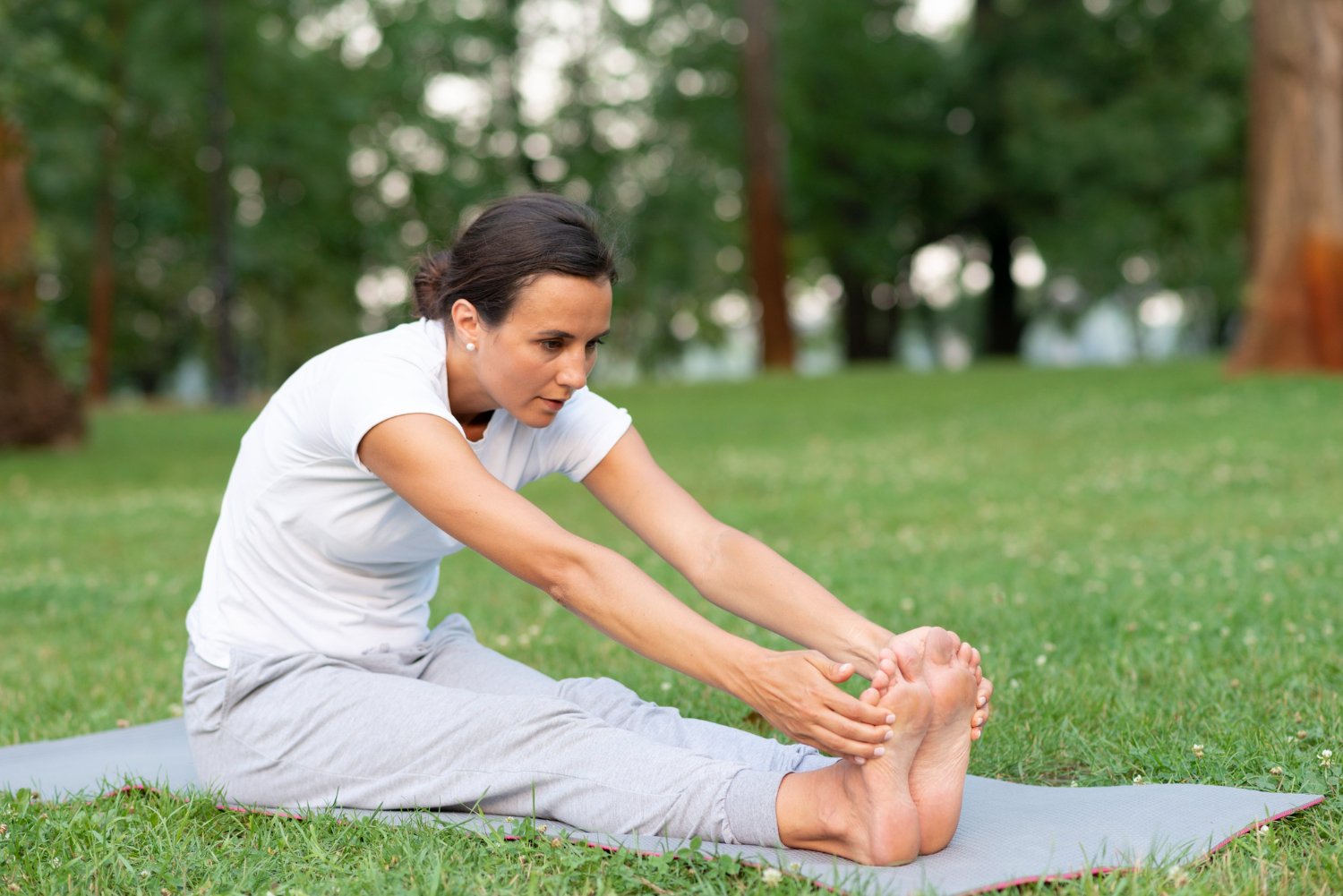
The United Nations and the World Health Organization have designated the current era as the Decade of Healthy Ageing, placing a global spotlight on the importance of preserving functional mobility. In Southeast Asia, Thailand actively serves as the secretariat for the ASEAN Centre for Active Ageing and Innovation, recently convening in Bangkok to finalise a 2025 to 2030 regional strategy aimed at extending healthy, active lifespans. However, one of the most frequently overlooked barriers to this ambitious global goal is the physical condition of our feet. Because public health frameworks classify untreated foot ailments as primary risk factors for premature physical decline, looking after our foundation is non-negotiable for long-term independence.
The Biomechanical Chain Reaction
Our bodies operate through a complex biomechanical system known as the kinetic chain. This concept dictates that foundational dysfunctions at the ground level, such as overpronation or collapsed arches, force the knees, pelvis, and spine to alter their alignment during weight-bearing activities. Subconscious gait changes made to avoid discomfort, such as shortening your stride length or shifting your weight to the outer edge of the foot, place abnormal stress on the lower back. These subtle daily compensations can significantly accelerate joint wear over time.
When people ignore these early warning signs, the physical damage rarely stays isolated to the lower extremities. Among individuals who have endured foundational discomfort for one to five years, roughly a third report developing related secondary pain in their back, knees, or hips as their bodies compensate. This is why securing a professional assessment for chronic foot pain is a highly recommended first step before attempting to increase your daily physical activity. Treating the root mechanical issue stops the chain reaction of wear and tear, allowing individuals to walk, run, and move without forcing their upper joints into unnatural positions.
Clinical Evidence on Mobility Decline
The scale of this issue is surprisingly significant across populations. A 2025 national trends report found that 81 percent of surveyed adults reported experiencing some form of foot discomfort, highlighting just how widespread this barrier to daily movement has become. In geriatric studies, up to one in three older adults experience chronic lower limb issues. This condition significantly compromises balance and basic physical function. Furthermore, clinical data shows that more than 75 percent of elderly individuals with physical foot problems or deformities are at an elevated risk of falling, primarily due to altered plantar pressure and postural instability.
The medical community widely recognises the severe impact these specific conditions have on overall mobility. According to clinical research published in the Journal of Foot and Ankle Research via the PMC, forefoot symptoms were reported as a primary cause in walking impairment for certain patient populations, significantly more so than symptoms originating from either the knee or hip joints. This compelling evidence validates the fact that our feet are the most critical anchor points for daily ambulation. An analysis of over 26,000 patients participating in a supervised exercise programme for knee or hip osteoarthritis further revealed that concurrent foot problems were directly linked to higher overall symptom severity and greater reliance on pain medication.
Proactive Steps for a Healthier Future
Maintaining safe, comfortable movement is essential for living a full and independent life. To protect your independence, addressing physical discomfort at the foundational level is vital before you explore safe ways to keep moving and boost your wellness as you age. Resolving these issues early unlocks the countless physical and psychological benefits of an active lifestyle.
Modern physiotherapy and holistic wellness experts recommend a few essential strategies to protect your kinetic chain:
- Seek a whole-chain diagnostic approach: Do not just treat an aching knee. Ensure a specialist assesses your foot mechanics to verify that the true root cause is being corrected.
- Invest in supportive footwear: Unmanaged high arches reduce natural shock absorption, so selecting shoes that offer structured support helps dissipate impact forces before they travel upward into the hips.
- Engage in targeted strengthening: Incorporate low-impact exercises that build the intrinsic muscles of the feet and ankles, which improves postural stability and minimises the risk of falls.
- Prioritise preventive care: Address minor aches before they alter your gait, keeping your stride natural and your joints properly aligned.
A Solid Foundation for Active Living
The World Health Organization explicitly recognises that maintaining pain-free physical mobility is a fundamental cornerstone for preserving mental and social well-being in later life. A holistic approach to longevity must therefore start from the ground up. By paying closer attention to the health of your feet, you can ensure that your entire body remains capable, resilient, and ready to embrace an active, fulfilling lifestyle for decades to come.