
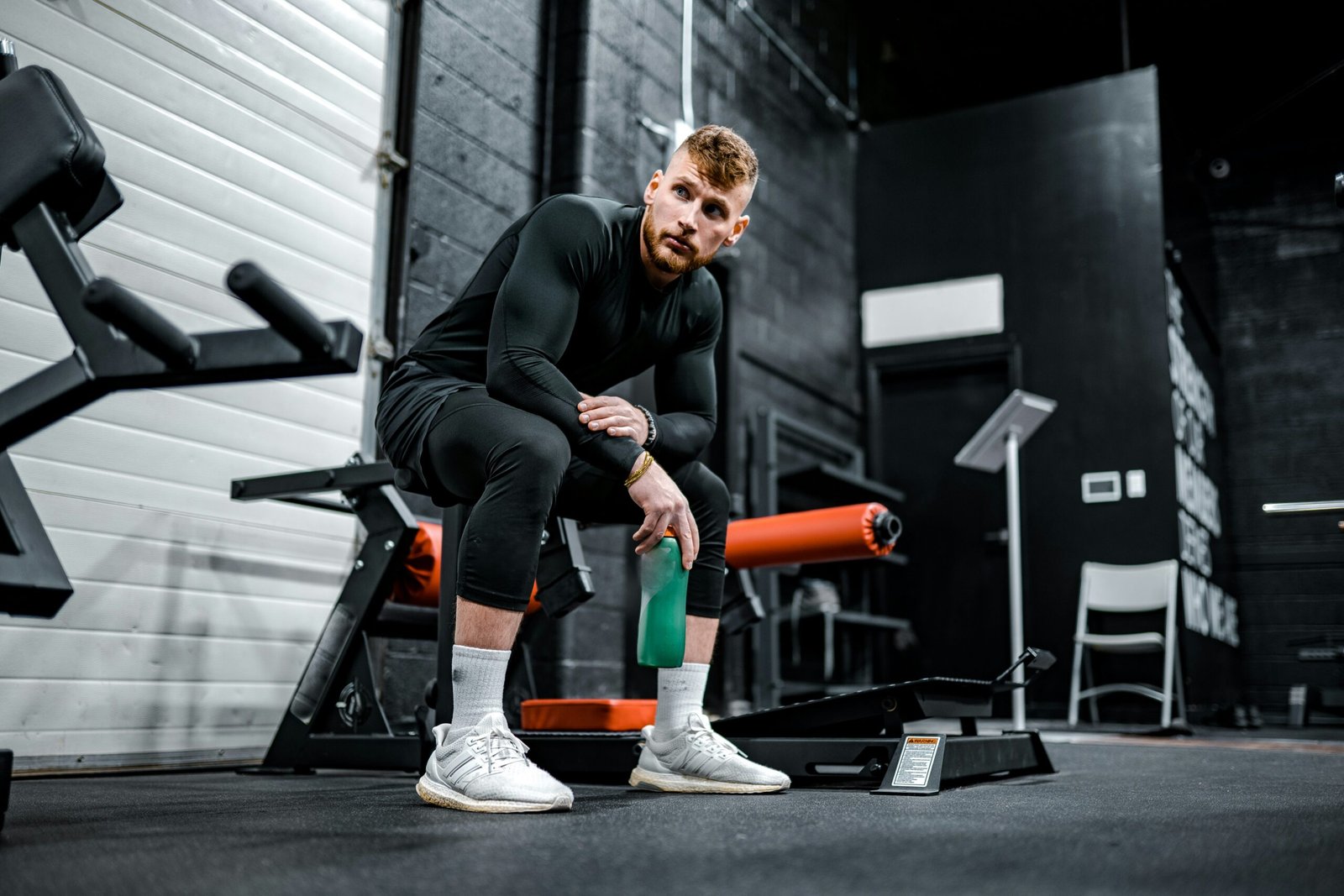
A good workout challenges your muscles, but what you do afterward can greatly affect how you feel the next day. Providing your body with adequate rest, proper nutrition, gentle movement, and recovery time can ease soreness and get your muscles ready for the next workout.
“The goal of active recovery is to build on where you’ve been before,” explains sports medicine specialist Dr. Lauren Wichman. “No matter what level of physical fitness you’re at, implementing active recovery into your workout routine can help you continue to grow.”
Muscle recovery does not have to involve complicated routines. A few consistent habits can help your body recover while also making exercise more comfortable and sustainable.
Give Your Body Time to Recover
Rest plays a major role in a balanced fitness routine. Workouts place temporary strain on your muscles, so they need sufficient time to recover, rebuild, and adjust to the demands of training.
However, staying completely inactive after an intense workout may not always be the best approach. Light physical activity, often referred to as active recovery, can support the body’s recovery process.
Activities such as walking, relaxed cycling, or gentle stretching can help maintain circulation to fatigued muscles. These simple movements may ease muscle soreness and allow you to recover more comfortably than remaining completely still.
Recovery also depends on how rest periods are managed during the workout itself. Research published in Scientific Reports found that allowing more time between sets helped fatigue markers decrease more quickly. A 1:2 work-to-rest ratio gave muscles enough time to recover while maintaining a similar level of performance.
Stay Hydrated
Fluid loss during exercise can leave you feeling tired and uncomfortable after a workout. Drinking water supports normal bodily functions and can be especially important after longer or more intense sessions.
Your hydration needs can vary based on factors such as exercise intensity, weather, and how much you sweat. Keeping water available before, during, and after exercise can make hydration easier to maintain.
Experts recommend drinking electrolyte fluids during or after long, intense workouts, especially in hot conditions. That’s because heavy sweating causes greater losses of sodium and other minerals.
For people following their usual daily routines, drinking water and eating a balanced diet are generally enough to maintain proper hydration and electrolyte levels. But after a particularly sweaty workout, consuming electrolytes within about 30 to 60 minutes may help replace minerals lost through sweat. They should not be viewed as an energy booster on their own.
Consider Massage as Part of Your Recovery Routine
Different massage approaches use varying pressure and techniques, so the best choice depends on personal comfort and the areas affected.
People interested in pressure-based bodywork may explore shiatsu massage. Shiatsu massage uses finger pressure to relieve muscle tightness, notes Mantis Massage. This can improve blood circulation, energy, and posture.
To minimize travel and overall time required for a session, you can find a local service provider. Austin, for instance, is a fast-growing, hardworking hub where people are constantly on the move.
In such a case, finding a nearby shiatsu massage in Austin makes the most sense. It provides quick relief and won’t take much time out of your day. That way, you can keep up with other responsibilities, whether it’s work, family, or school.
Eat for Recovery
Your muscles need adequate nutrients after physical activity. A post-workout diet containing protein, carbohydrates, healthy fats, fruits, and vegetables can supply the nutrients and energy your body needs to recover.
“You’ll want to refuel with carbohydrates, repair with protein, and rehydrate with fluids and electrolytes,” says Angie Asche, an expert nutritionist.
According to Vogue Arabia, people who work out regularly can benefit from including more protein-rich foods and colorful fruits and vegetables in their diets. Protein supplies essential nutrients that support the repair and rebuilding of muscle tissue. Fruits and vegetables packed with antioxidants may also help the body manage inflammation after demanding workouts.
Certain plant-based compounds may also support recovery. A Springer Nature Link study highlighted polyphenols such as quercetin and curcumin for their potential anti-inflammatory properties.
These compounds occur naturally in foods and drinks such as berries, tea, and turmeric. Some research suggests they may help ease muscle soreness and promote faster strength recovery following intense exercise.
Adjust Your Workout When Needed
Pushing your workout intensity too quickly can place more stress on your muscles than they are ready to handle. A gradual approach gives your body time to adapt while helping you maintain consistency.
Some simple ways to create a better balance between training and recovery include:
- Add lower-intensity sessions: Walking, light cycling, or gentle mobility work can keep you moving without adding significant training stress.
- Monitor soreness: Normal post-workout soreness usually improves with time, while severe or persistent pain may require further attention.
- Adapt your routine with age: Recovery requirements can change as you get older, and the body generally takes longer to recover from exercise with age.
Fitness expert Micky Lal, in an interview with Healthline, notes that the body generally takes longer to recover with age. “The basics of fitness like regular movement, strength, endurance, flexibility, and recovery remain important throughout your life,” he told Healthline.
During your 20s, muscles may recover within a day or two. Once you reach your 40s and beyond, mobility exercises and rest days become increasingly important.
Make Recovery a Regular Habit
Muscle recovery works best as part of a consistent routine, not something you think about only after an especially difficult workout. Hydration, nutritious meals, enough sleep, gentle movement, and sensible training schedules can all support better recovery habits.
Depending on your individual needs and preferences, you can also incorporate massage, stretching, or mobility exercises into your recovery routine. With a balanced approach, recovery becomes a natural part of staying active, not an afterthought.
But you need to plan this approach strategically to gain the right benefits. For instance, planning the diet or choosing the right massage technique based on your needs should be a priority. For example, in a bustling city like Austin, you can find many types of massage.
Shiatsu is just one type; there are ashiatsu and deep massage techniques, too. You can go for an Austin deep tissue massage for tight knots and chronic pain. Similarly, how you schedule sleep or what activities you do to support your routine can affect recovery speed.
Frequently Asked Questions
How long should you wait before training the same muscle group again?
The ideal recovery period depends on workout intensity, training experience, and the muscle group involved. Many people can train the same muscle group again after 48 hours, while particularly demanding sessions may require more time. Instead of following a fixed schedule, consider your soreness, strength, range of motion, and overall energy before repeating intense training.
Does foam rolling help with post-workout muscle recovery?
Foam rolling may help people manage feelings of muscle tightness following physical activity. It applies pressure to specific areas and may temporarily improve flexibility and reduce feelings of soreness. It works best as a supplement to a balanced recovery routine, not a replacement for adequate rest, nutrition, or proper training practices.
Should you use heat or ice after exercising?
Whether heat or ice is more appropriate after a workout can depend on the type of discomfort or symptoms you are experiencing. Cold may provide temporary relief for certain types of acute discomfort, while heat can feel soothing when muscles feel stiff or tight. Neither approach is necessary after every workout, so the appropriate option depends on your symptoms and the nature of the activity.
Key Muscle Recovery Facts
| Work-to-rest ratio | 1:2 |
| Electrolyte timing | 30–60 minutes after a particularly sweaty workout |
| Recovery shift from your 20s to 40s | Takes 1-2 days in your 20s but starts taking longer in your 40s |
| Active recovery | Walking, relaxed cycling, gentle stretching |
| Post-workout nutrition | Carbohydrates + protein + fluids/electrolytes |
| Recovery-supporting compounds | Quercetin & curcumin |
Supporting muscle recovery does not require an elaborate routine. Getting enough rest, staying hydrated, managing workout intensity, etc., can all help you feel better between training sessions.
The right recovery strategy will vary from person to person and can also change depending on the type of exercise you do. Paying attention to your body’s response and maintaining consistent recovery habits can help you stay active while giving your muscles the time they need.