Table of Contents
- Understanding Proactive Emergency Response
- The Role of Technology in Emergency Preparedness
- Case Study: McLean County’s Rapid Response to Storm Damage
- Integrating Data for Efficient Disaster Management
- Smart Homes: Enhancing Disaster Prevention
- Conclusion
When disaster strikes, quick and strategic action can make the difference between minor repairs and catastrophic loss. Prioritizing proactive emergency response strategies is essential not just for safeguarding lives but also for minimizing property damage and the associated costs. Property owners and managers increasingly recognize the vital role that emergency property management services play in building a robust, resilient response to emergencies.
Taking pre-emptive steps, establishing clear protocols, and leveraging cutting-edge technology can prevent isolated incidents from escalating into widespread crises. Proactive strategies provide peace of mind to homeowners and the wider community by improving preparedness and reducing the impact of disasters before they even strike.
Understanding Proactive Emergency Response
Proactive emergency response involves preparing for potential disasters early by analyzing risks, developing plans, conducting drills, and investing in preventive infrastructure. Unlike reactive measures, which address crises after they happen, proactive steps reduce both immediate and long-term damage. Well-prepared organizations can respond quickly, reducing confusion and protecting lives and property through clear communication, resource alignment, and regular risk reviews. Strategies like reinforcing structures, creating firebreaks, and maintaining updated contact info lower property damage. FEMA notes that communities with ongoing risk assessments recover faster and sustain less damage than those without.
The Role of Technology in Emergency Preparedness
Modern technology has become a cornerstone in building a proactive emergency strategy. Digital alert and notification systems can instantly inform all relevant parties of an impending threat, enabling swift evacuation or precautionary measures. Integrations, such as linking Computer-Aided Dispatch (CAD) systems to digital alert platforms, have enabled responders to access vital building and hazard data before even reaching the scene. In El Paso, Texas, for example, this integration enhanced first responders’ capabilities, enabling faster, more precise responses and directly reducing property losses.
Technology also plays a pivotal role in streamlining communication among emergency agencies and stakeholders. Cloud-based management systems provide real-time updates and status reports, improving coordination and efficiency during disasters. For homeowners and property managers, investing in smart detection systems can mean the difference between a minor situation and one that results in extensive property loss.
Case Study: McLean County’s Rapid Response to Storm Damage
When severe storms hit McLean County in April 2026, the local government’s proactive approach helped mitigate damage and accelerate recovery. By promptly declaring a state of emergency and activating the Emergency Operations Center, local authorities rapidly aligned all necessary resources. This action brought utility services, first responders, and government agencies into a unified command structure, enabling a systematic cleanup and restoration effort. The key to success lay in their readiness to coordinate and act without delay, serving as a model for proactive emergency response.
Integrating Data for Efficient Disaster Management
Efficient disaster management relies on timely, actionable data. Emergency responders and restoration professionals use analytics platforms to track real-time incidents, forecast high-risk areas, and allocate resources based on need. Data from previous disasters, property risk profiles, and weather alerts are combined to prioritize interventions and protect high-value assets.
For restoration companies and insurance providers, leveraging dispatch and property data streamlines the identification of critical restoration tasks, allowing them to intervene earlier and contain loss. This proactive, data-driven model ensures that community resources are targeted to where they are most needed, accelerating recovery and reducing overall damage. According to the Restoration & Remediation Magazine, this shift toward data-centric strategies is redefining how the industry responds to complex disasters.
Smart Homes: Enhancing Disaster Prevention
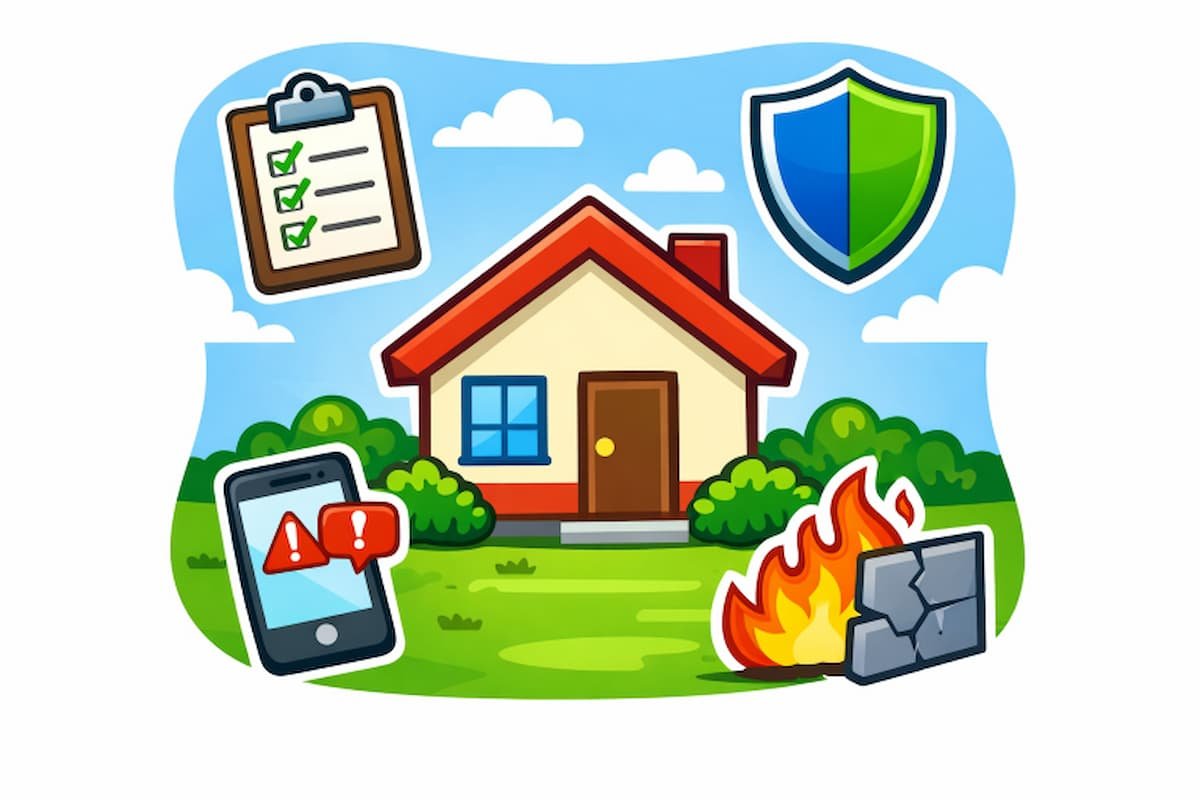
Home technology is rapidly advancing, and smart home devices now offer invaluable tools for disaster prevention. Water leak sensors, automatic shutoff valves, smoke and carbon monoxide detectors, and air quality monitors provide early warnings for incidents that could escalate into major damage. Homeowners can monitor and respond remotely, allowing for prompt action even when away from the property.
Incorporating smart infrastructure into homes is not just a convenience. It also builds resilience into properties by linking preventive alerts to professional restoration and emergency services. When integrated with larger response networks, these systems can automate calls to first responders or restoration professionals, delivering faster intervention and minimizing property loss. Research from CNBC highlights the growing popularity and proven benefits of smart devices in disaster prevention and home security.
Conclusion
Embracing proactive emergency response strategies is essential in minimizing property damage and ensuring the long-term resilience of homes and communities. Investing in robust emergency planning, leveraging innovative technologies, and integrating real-time data can transform how property is protected against disasters. Smart home technologies and professional emergency property management services further enhance this approach, providing peace of mind and safeguarding both assets and lives. By staying ahead of disaster risks, everyone can contribute to safer, more resilient communities.