Horseback riding is an exhilarating activity that offers a strong connection to nature and a sense of freedom. However, as with any physical pursuit, there are risks involved, and injuries can occur. Recovering from a horseback riding injury requires patience, dedication, and a strategic approach to ensure a full and successful recovery.
This is your guide to the recovery process after a horseback riding injury, highlighting the importance of seeking medical attention, rest, a positive mindset, balanced nutrition, and adequate hydration to support your recovery. Learn how graduates from physical therapy programs can help you along the recovery journey.
1. Seek Medical Attention
After experiencing a horseback riding injury, it’s important to seek immediate medical attention. Wounds, fractures, or any physical trauma must be evaluated by a healthcare professional to determine the extent of the injury and to start a proper treatment plan.
In many cases, injuries sustained from horseback riding can affect deeper tissues or bones, necessitating a thorough medical assessment. Additionally, healthcare providers can recommend specialized physical therapy treatments designed to facilitate recovery, strengthen injured areas, and improve mobility.
2. Rest and Recovery
Rest is a fundamental component of the recovery process following a horseback riding injury. It is imperative to give the body ample time to heal and recuperate.
By following medical advice, avoiding strenuous activities, and allowing injured areas to rest, individuals can prevent injury from worsening and promote optimal healing. Accepting and embracing the need for rest is key to a successful recovery journey.
3. Stay Positive and Mentally Engaged
Recovering from a horseback riding injury involves not only physical healing but also mental resilience. It’s natural to experience emotional challenges during this period, such as frustration, anxiety, or fear.
However, maintaining a positive mindset, engaging in activities that bring joy, and leaning on a support system can significantly impact the recovery process. By focusing on mental well-being alongside physical healing, individuals can better handle challenges and setbacks.
4. Nutrition and Hydration
Proper nutrition is also important to the recovery process from a horseback riding injury. Consuming a balanced diet rich in essential nutrients, vitamins, and minerals can support the body’s healing mechanisms and boost energy levels.
Adequate hydration is equally important, as it helps maintain optimal body function, aids in tissue repair, and promotes overall well-being. By prioritizing good nutrition and hydration, individuals can provide their bodies with the necessary resources to aid in healing and recovery.
5. Gradual Return to Activity
Following a horseback riding injury, a gradual return to physical activity will help to prevent re-injury and ensure a safe recovery process. It’s important to follow a structured plan that gradually reintroduces movement and exercise, taking into account the specific nature of their injury.
Rushing back into full activity levels can lead to setbacks and prolong the recovery period. By working closely with healthcare professionals and considering specialized physical therapy treatments, individuals can establish a tailored plan that promotes a safe and effective return to riding, prioritizing long-term well-being and injury prevention.
6. Attend Physical Therapy
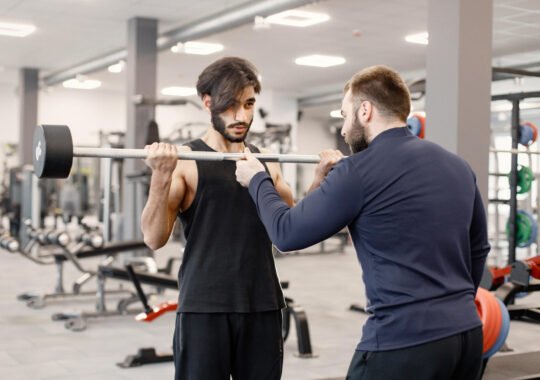
Finding a reputable physical therapy program is one of the most important steps someone can take along the recovery process following a horseback riding injury. These specialized programs are designed to facilitate healing, restore strength, flexibility, and mobility, and prevent future injuries.
Through targeted exercises, manual therapy techniques, and personalized care, physical therapists help individuals enhance their physical function and quality of life. By addressing specific areas of concern, physical therapy accelerates the recovery timeline, optimizes outcomes, and empowers individuals to regain confidence in their ability to ride.
7. Listen to Your Body
Listening to one’s body is essential throughout the recovery process from a horseback riding injury. Paying attention to physical cues, symptoms, and limitations can help individuals gauge their progress, identify any warning signs of overexertion or potential complications, and adjust their recovery plan accordingly.
Open communication with healthcare providers about any discomfort or concerns is vital in ensuring a safe and effective recovery journey. By prioritizing self-awareness and proactive care, individuals can move through the recovery process with confidence and resilience.
The Road to Recovery After a Horseback Riding Injury
Recovering from a horseback riding injury demands patience, resilience, and a holistic approach to healing. By seeking immediate medical attention, prioritizing rest, maintaining a positive mindset, focusing on nutrition and hydration, and listening to their bodies, individuals can effectively handle the challenges of recovery.
While the road to getting back on the horse may present obstacles and setbacks, staying committed to a comprehensive recovery plan can lead to a successful return to horseback riding with renewed strength and confidence. Remember, your well-being is the focus, and seeking professional guidance is key to a full recovery journey.