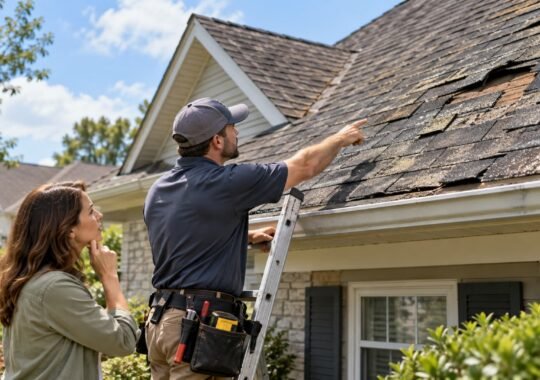
A home’s roof is constantly exposed to changing weather conditions. Rain, wind, temperature fluctuations, humidity, and seasonal storms can gradually affect roofing materials, even when damage is not immediately visible. For homeowners in coastal Delaware, keeping an eye on the roof can be an important part of protecting the structure and everything inside it.
Small roofing issues can sometimes develop into larger problems when they are overlooked. Learning how to recognize warning signs, understand common causes of damage, and respond appropriately can help homeowners make informed decisions about roof maintenance and repairs.
Understand How Roof Damage Develops
Roof damage does not always happen because of one major storm. In many cases, it develops gradually as roofing materials age and are repeatedly exposed to the elements.
Strong winds can loosen shingles, while heavy rainfall can expose weaknesses around flashing, vents, chimneys, and other roof penetrations. Moisture that gets beneath roofing materials may eventually affect the decking or insulation.
Sun exposure can also contribute to deterioration. Repeated expansion and contraction caused by temperature changes may place stress on roofing materials and sealants over time.
Because these problems can develop slowly, regular inspections can be useful even when there is no obvious leak inside the home.
Watch for Missing or Damaged Shingles
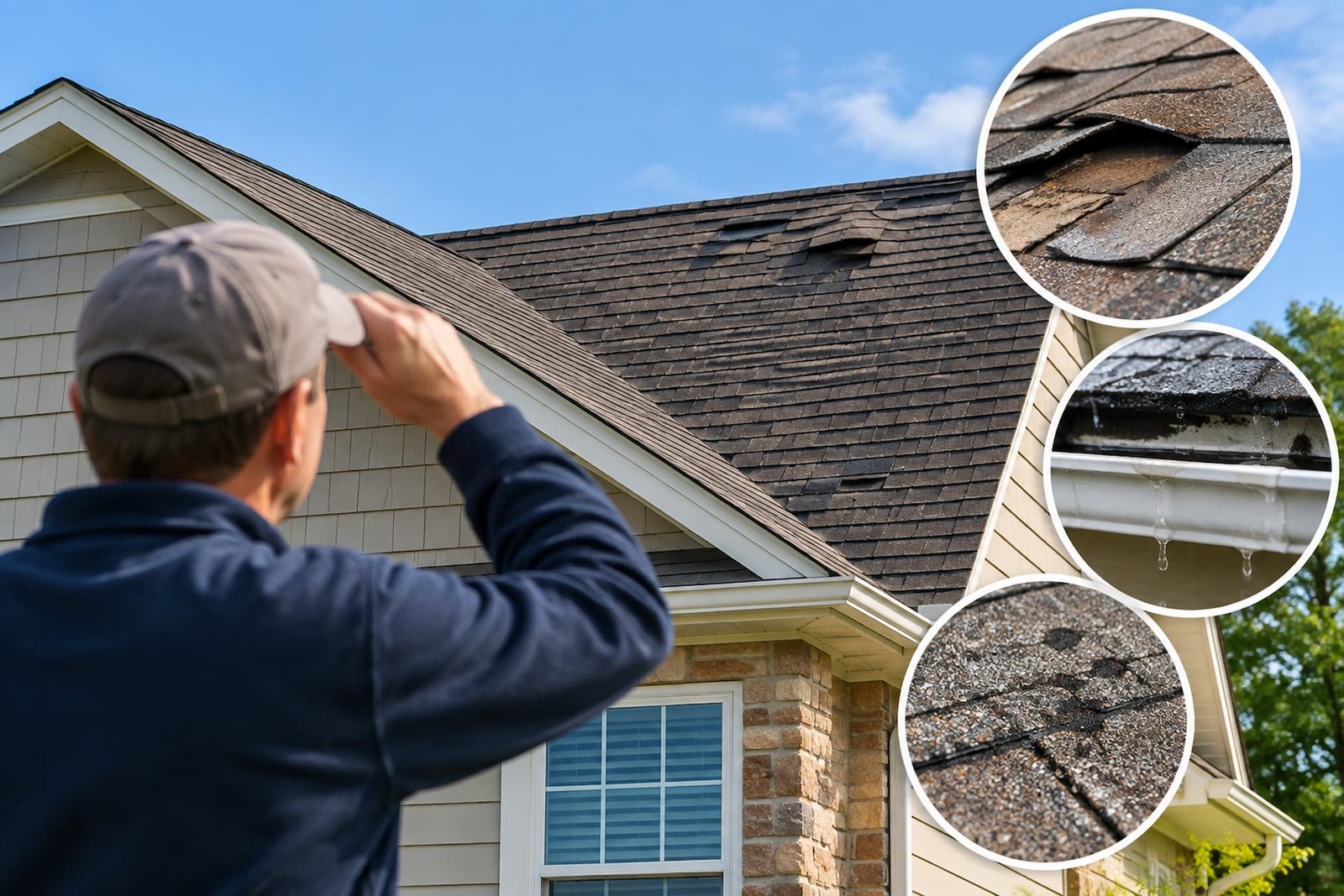
Shingles provide an important protective layer between the home and the weather. Missing, cracked, curled, or damaged shingles can leave vulnerable areas exposed to moisture.
After a period of strong winds, homeowners should look for visible changes to the roof from a safe location. Shingles may become displaced or lose protective granules as they age.
Granules can also collect in gutters. While a small amount of granule loss can occur naturally, a significant increase may indicate that the roofing material is deteriorating.
If damage is visible, it is generally better to have it evaluated rather than assuming it will correct itself. A small area of damage may be easier to address before water has an opportunity to reach the underlying structure.
Pay Attention to Water Stains
Water stains on ceilings or walls are often among the most noticeable signs of a roofing problem. However, the location of an interior stain does not necessarily indicate the exact point where water entered the roof.
Water can travel along roofing materials, decking, insulation, or framing before becoming visible inside the house. This is why locating and addressing a leak can require more than simply sealing the area directly above an interior stain.
Homeowners who notice recurring moisture, discoloration, peeling paint, or damp areas should consider having the roof professionally inspected.
Check Flashing and Roof Penetrations
Certain parts of a roof are more vulnerable to water intrusion than large, uninterrupted sections of roofing material. Flashing around chimneys, skylights, vents, and other penetrations helps direct water away from these areas.
Over time, flashing can deteriorate, loosen, or develop gaps. Sealants can also crack or lose their effectiveness.
These areas deserve particular attention during inspections because a relatively small failure around a penetration can eventually result in interior moisture damage.
Consider the Effects of Delaware Weather
Homes in Selbyville and surrounding areas experience a variety of weather conditions throughout the year. Seasonal rain, wind, humidity, and coastal weather can place repeated stress on exterior building materials.
Storms can be particularly challenging for roofing systems. Even when a roof does not appear severely damaged from the ground, high winds or flying debris may have affected individual components.
Following significant weather events, homeowners should watch for new leaks, displaced shingles, damaged flashing, or debris on the roof. Professional inspections can provide a more complete assessment when damage is suspected.
Know When a Repair May Be Appropriate
Not every roofing problem requires a complete replacement. When damage is limited and the rest of the roofing system remains in good condition, a targeted repair may be an appropriate solution.
The decision depends on factors such as the age of the roof, extent of the damage, condition of surrounding materials, previous repairs, and the type of roofing system.
A professional assessment can help determine whether the issue appears isolated or represents a broader deterioration problem.
For homeowners searching for professional Roof Repair in Selbyville, DE for storm and weather-related damage, the most useful first step is often a thorough evaluation of the roof rather than immediately assuming a particular solution is necessary.
Don’t Ignore Small Problems
A minor roofing issue may seem unimportant when there is no visible interior damage. However, water intrusion can gradually affect materials beneath the roof.
Moisture may contribute to damaged decking, insulation problems, mold growth, or deterioration of structural components. The longer a leak remains unresolved, the more extensive the resulting repairs may become.
Addressing small issues promptly does not guarantee that additional damage will never occur, but it can reduce the opportunity for a manageable problem to develop into a more complicated one.
Look at the Roof as a Complete System
A roof is more than its visible shingles or outer surface. Its performance depends on several components working together, including decking, underlayment, flashing, ventilation, insulation, and drainage.
For example, poor ventilation can contribute to excess heat and moisture in certain attic environments. Blocked gutters can cause water to accumulate near roof edges. Damaged flashing can create entry points for moisture.
When evaluating a roofing problem, considering the entire system can provide a more accurate understanding of what caused the issue and what needs to be addressed.
Schedule Routine Inspections
Waiting for a leak to appear is not always the best way to manage a roof. Routine inspections can help identify signs of deterioration before they become more disruptive.
The appropriate inspection schedule depends on the age and condition of the roof, its materials, and local environmental conditions. Inspections may also be worthwhile after significant storms.
Professional evaluations can identify concerns that may be difficult for homeowners to spot from ground level. They can also help establish a record of the roof’s condition over time.
Maintain Gutters and Drainage
Roof maintenance should include attention to gutters and downspouts. These systems are responsible for directing water away from the roof and foundation.
Leaves, branches, dirt, and other debris can restrict water flow. When gutters become blocked, water may overflow or remain near vulnerable roof edges.
Keeping drainage pathways clear can help support the overall performance of the roofing system. Homeowners should also watch for sagging gutters, loose connections, or damaged downspouts.
Make Informed Repair Decisions
When roof damage occurs, homeowners may be tempted to choose the quickest or cheapest solution available. However, a proper assessment can provide valuable information before work begins.
Ask questions about the cause of the damage, the recommended repair, the condition of surrounding materials, and whether additional issues were discovered during the inspection.
Understanding the reason behind a recommended repair can help homeowners make better long-term decisions rather than simply addressing the most visible symptom.
Protect Your Home With Proactive Roof Care
Roof maintenance is ultimately about preventing avoidable problems and protecting the home from the elements. Regular inspections, prompt attention to damage, clean drainage systems, and professional evaluations can all contribute to better roof performance.
For homeowners in Selbyville, staying aware of how weather affects roofing materials can be particularly useful. Small changes such as missing shingles, water stains, damaged flashing, or unusual moisture should not automatically be treated as emergencies, but they are worth investigating.
A roof that receives consistent attention is easier to monitor and maintain over time. By recognizing warning signs early and seeking professional guidance when necessary, homeowners can better protect their property and make informed decisions about repairs and long-term roofing needs.
This keeps Roof Repair in Selbyville, DE prominent while making the long-tail variation natural enough for a link-building article rather than forcing the keyword into every section.